

Metaphor for a Ticking Clock 60 Powerful Examples
literaryguidz.com >> Uncategorized>> Metaphor for a Ticking Clock 60 Powerful Examples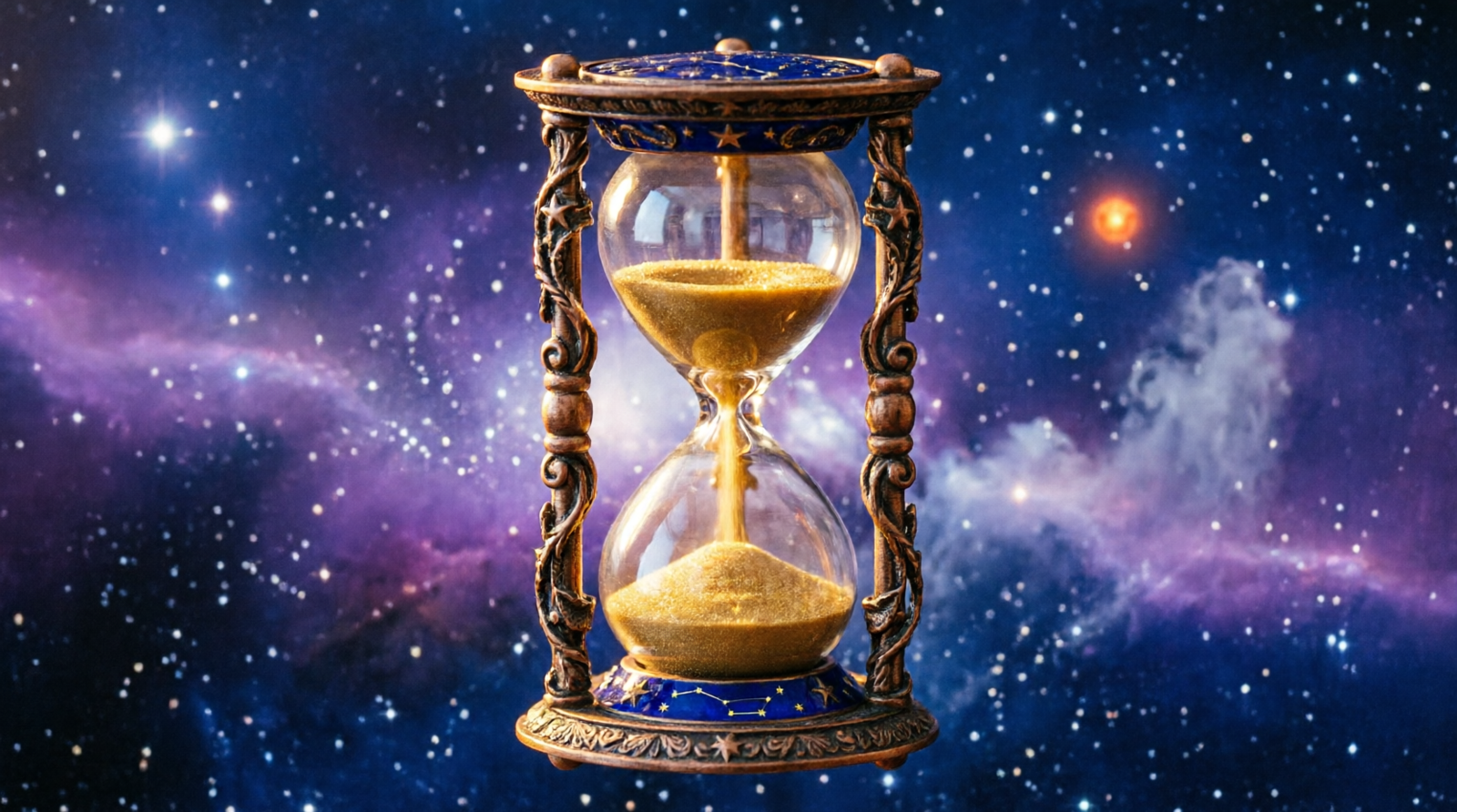
Metaphor for a Ticking Clock 60 Powerful Examples
A metaphor for a ticking clock compares time urgency waiting, pressure or an approaching deadline to something else without using like or as. Common ideas include a countdown a race a shrinking window a drumbeat or a candle burning down. People search for these metaphors when they want a stronger way to describe time passing.
You may see this kind of language in books poems speeches movies school assignments essays emails and everyday conversations. A simple sentence such as Time is running out can become much more vivid when a writer says The clock is a closing door.
The right metaphor depends on the feeling you want to create. Some expressions suggest fear or pressure. Others show excitement, change, patience, or the steady movement of life.
This guide, updated for 2026 explains what a ticking clock metaphor means and gives you 60 original metaphor examples. Each example includes its meaning a sample sentence, when to use it when to avoid it, alternative expressions difficulty, and tone.
Definition & Meaning

A metaphor for a ticking clock is a comparison that makes passing time or growing urgency easier to picture. Instead of simply saying that time is moving, the writer describes it as something visible or emotional, such as a race, a door closing, a candle shrinking, or a river moving forward.
The phrase “ticking clock” itself is also a powerful metaphor. A clock does not literally create pressure, but its repeated ticks can represent the limited amount of time left before something happens.
Simple definition
A ticking-clock metaphor is a figurative comparison that shows time moving forward and reminds us that the available time is limited.
For example:
Time is a train leaving the station.
This does not mean time is literally a train. It means that time keeps moving, and once a moment passes, it may not return.
Quick explanation
A ticking-clock metaphor can communicate:
- A deadline is getting closer.
- Time is passing quickly.
- An opportunity may disappear.
- Someone is waiting for an important event.
- Pressure is increasing.
- Life keeps moving forward.
- A decision cannot be delayed forever.
- A situation is becoming urgent.
Why We Use a Metaphor for a Ticking Clock

A ticking-clock metaphor gives an abstract idea—time—a shape readers can imagine. It can make a deadline feel closer, make waiting feel tense, or turn ordinary passing time into an emotional experience. Writers use these comparisons because “time is passing” often feels weaker than an image readers can see.
Practical purpose
The main purpose is to make time feel real.
Compare:
We do not have much time.
with:
The door of opportunity is slowly closing.
Both sentences communicate limited time, but the second creates a stronger mental picture.
Everyday usage
People use time metaphors when talking about:
- Exams
- Work deadlines
- Appointments
- Relationships
- Aging
- Important decisions
- Missed opportunities
- Travel
- Life changes
- Waiting for news
Writing
Writers use these metaphors to create:
- Tension
- Suspense
- Emotion
- Urgency
- Nostalgia
- Hope
- Fear
- Reflection
Speaking
In conversation, a simple metaphor can make an idea easier to understand.
For example:
“We need to act. The window is closing.”
The speaker does not mean a physical window is closing. The metaphor means the chance to act is becoming smaller.
School assignments
Metaphors for time are useful in:
- Narrative writing
- Poetry
- Personal essays
- Creative writing
- Literary analysis
- Speeches
- Journal entries
Social media
Short metaphors work especially well in captions and posts because they communicate an emotion quickly.
For example:
“The clock keeps moving, even when we stand still.”
Professional communication
Workplaces often use time metaphors such as:
- “The clock is ticking.”
- “The window is closing.”
- “We are racing against time.”
- “We need to beat the deadline.”
These expressions can make a message more direct, although very dramatic metaphors may not suit every professional setting.
60 Metaphors for a Ticking Clock
The following examples give you different ways to describe a ticking clock, passing time, deadlines, pressure, waiting, and the feeling that a moment will not last forever.
1. Time Is a Countdown
Meaning: Time is compared to numbers steadily moving toward zero.
Real explanation: This metaphor emphasizes that the amount of available time is getting smaller.
Sample sentence: “Every minute was another number disappearing from the countdown.”
When to use it: Use it for deadlines, exams, launches, emergencies, or major events.
When NOT to use it: Avoid it when you want a peaceful or relaxed feeling.
Alternatives: Time is running down; the clock is counting toward zero; our minutes are numbered.
Difficulty: Easy
Tone: Neutral
2. Time Is a Race
Meaning: Time is compared to a race that keeps moving toward a finish line.
Real explanation: This makes time feel fast and competitive.
Sample sentence: “With the deadline approaching, time became a race we could not afford to lose.”
When to use it: Good for sports, projects, exams, and competitive situations.
When NOT to use it: Avoid it if the subject is meant to feel slow and peaceful.
Alternatives: We are racing the clock; time is speeding ahead; we are chasing the deadline.
Difficulty: Easy
Tone: Informal
3. Time Is a Closing Door
Meaning: Time is an opportunity that is slowly disappearing.
Real explanation: A closing door suggests that there is still a chance, but the chance will soon be gone.
Sample sentence: “Every unanswered email made the door of opportunity close a little farther.”
When to use it: Great for decisions and missed opportunities.
When NOT to use it: Do not use it when there is no real sense of urgency.
Alternatives: The window is closing; the chance is fading; the opportunity is slipping away.
Difficulty: Easy
Tone: Neutral
4. Time Is a River
Meaning: Time is compared to a river that keeps flowing.
Real explanation: A river does not stop simply because someone wants it to, making it a useful image for the steady movement of time.
Sample sentence: “Time was a river carrying their childhood farther behind them.”
When to use it: Use it for reflection, life, aging, and change.
When NOT to use it: Avoid it when you need strong deadline pressure.
Alternatives: Time flows; life is a stream; moments drift downstream.
Difficulty: Easy
Tone: Poetic
5. Time Is a Candle Burning Down
Meaning: Time is compared to a candle that becomes shorter as it burns.
Real explanation: The disappearing candle shows that the amount of time remaining is limited.
Sample sentence: “Their summer was a candle burning quietly toward its final flame.”
When to use it: Excellent for poetry and reflective writing.
When NOT to use it: Avoid it in very casual conversations.
Alternatives: Time is burning away; the flame is shrinking; our hours are melting.
Difficulty: Easy
Tone: Poetic
6. Time Is a Train
Meaning: Time is compared to a train that keeps moving forward.
Real explanation: Once a train leaves, passengers cannot simply return to that exact moment.
Sample sentence: “The train of time pulled away before she was ready to say goodbye.”
When to use it: Useful for nostalgia and missed opportunities.
When NOT to use it: Avoid it if your subject has no connection to movement or departure.
Alternatives: Time moves on; the moment has left the station; the past is pulling away.
Difficulty: Easy
Tone: Poetic
7. Time Is a Drumbeat
Meaning: Time is compared to a steady drumbeat that keeps going.
Real explanation: The repeated beat creates rhythm and can build tension.
Sample sentence: “Each second landed like another drumbeat before the announcement.”
When to use it: Great for suspense, speeches, and dramatic scenes.
When NOT to use it: Avoid it when you want a soft, quiet image.
Alternatives: Time pounds forward; seconds beat on; the clock drums on.
Difficulty: Medium
Tone: Dramatic
8. Time Is a Thief
Meaning: Time is described as something that takes moments away.
Real explanation: The metaphor focuses on loss and regret.
Sample sentence: “Time was a quiet thief, stealing birthdays before we noticed.”
When to use it: Useful for aging, memories, and reflection.
When NOT to use it: Avoid it when the situation is joyful and energetic.
Alternatives: Time steals moments; the years slip away; time takes what it gives.
Difficulty: Easy
Tone: Poetic
9. Time Is a Shrinking Window
Meaning: Available time is compared to a window that is becoming smaller.
Real explanation: It suggests that an opportunity still exists but will not remain open.
Sample sentence: “The team knew they were working inside a shrinking window.”
When to use it: Strong for business, decisions, and deadlines.
When NOT to use it: Avoid it for ordinary descriptions of time.
Alternatives: The opportunity is narrowing; the window is closing; our chance is getting smaller.
Difficulty: Medium
Tone: Professional
10. Time Is a Wave
Meaning: Time is compared to waves that keep moving toward shore.
Real explanation: The image shows constant movement that cannot easily be stopped.
Sample sentence: “One hour followed another like waves rolling onto the beach.”
When to use it: Good for poetry and reflective writing.
When NOT to use it: Avoid it when precise deadline pressure matters.
Alternatives: Moments roll forward; time washes over us; hours come in waves.
Difficulty: Easy
Tone: Poetic
11. Time Is a Sandglass
Meaning: Time is compared to sand falling through an hourglass.
Real explanation: The falling sand makes limited time visible.
Sample sentence: “The last grains of the afternoon slipped through the sandglass.”
When to use it: Excellent for literary and historical writing.
When NOT to use it: Avoid it in very casual modern speech unless you want a poetic effect.
Alternatives: The sand is falling; the hourglass is emptying; our time is running out.
Difficulty: Medium
Tone: Poetic
12. Time Is a Fuse
Meaning: Time is compared to a fuse burning toward an endpoint.
Real explanation: A fuse creates strong suspense because everyone knows it is moving toward a final moment.
Sample sentence: “The deadline was a fuse burning shorter by the minute.”
When to use it: Use it for suspense or urgent situations.
When NOT to use it: Avoid it in calm or cheerful writing.
Alternatives: The fuse is shortening; the deadline is approaching; the final moment is near.
Difficulty: Medium
Tone: Dramatic
13. Time Is a Melting Ice Cube
Meaning: Time is compared to ice slowly disappearing.
Real explanation: The melting ice represents something limited that cannot be recovered once it is gone.
Sample sentence: “Their chance was a melting ice cube between their hands.”
When to use it: Good for fading opportunities.
When NOT to use it: Avoid it for formal technical writing.
Alternatives: The moment is melting away; time is dissolving; the chance is disappearing.
Difficulty: Medium
Tone: Creative
14. Time Is a Falling Leaf
Meaning: Time is compared to a leaf drifting downward.
Real explanation: The image suggests gentle but unavoidable movement.
Sample sentence: “Each day fell away like a leaf in late autumn.”
When to use it: Great for seasons, aging, and reflection.
When NOT to use it: Avoid it when strong urgency is needed.
Alternatives: Days fall away; moments drift down; the year sheds its days.
Difficulty: Easy
Tone: Poetic
15. Time Is a Moving Shadow
Meaning: Time is compared to a shadow that continually changes position.
Real explanation: A moving shadow shows that time is passing even when everything else appears still.
Sample sentence: “The afternoon became a moving shadow across the classroom wall.”
When to use it: Good for descriptive writing.
When NOT to use it: Avoid it for direct business communication.
Alternatives: Time slides by; the hours shift; the shadow of time moves on.
Difficulty: Medium
Tone: Poetic
16. Time Is a Sandstorm
Meaning: Time is compared to sand moving quickly and making everything difficult to see.
Real explanation: This metaphor suggests that time can move so quickly that events become confusing or hard to control.
Sample sentence: “The final week became a sandstorm of meetings and deadlines.”
When to use it: Useful for stressful periods.
When NOT to use it: Avoid it for simple descriptions of ordinary time.
Alternatives: Time swirled around us; the hours blurred; the days became a storm.
Difficulty: Medium
Tone: Dramatic
17. Time Is a Conveyor Belt
Meaning: Time is compared to a belt that continuously carries things forward.
Real explanation: The image suggests that people and events keep moving whether they are ready or not.
Sample sentence: “The conveyor belt of time carried one deadline straight toward another.”
When to use it: Good for work and routine.
When NOT to use it: Avoid it in emotional poetry unless intentionally using an industrial image.
Alternatives: Time carries us forward; the days move along; the hours keep rolling.
Difficulty: Medium
Tone: Neutral
18. Time Is a Highway
Meaning: Time is compared to a road stretching forward.
Real explanation: A highway suggests distance, movement, and the inability to drive backward through life.
Sample sentence: “Time was a highway, and yesterday was already far behind.”
When to use it: Good for life journeys.
When NOT to use it: Avoid it when you want a small, intimate image.
Alternatives: Time is a road; life moves down the highway; the future lies ahead.
Difficulty: Easy
Tone: Neutral
19. Time Is a One-Way Street
Meaning: Time only moves forward.
Real explanation: This metaphor emphasizes that the past cannot be physically revisited.
Sample sentence: “Time is a one-way street, so she stopped waiting for yesterday to return.”
When to use it: Good for life advice and reflection.
When NOT to use it: Avoid it if your writing needs a more emotional image.
Alternatives: There is no road back; time moves only forward; yesterday cannot be revisited.
Difficulty: Easy
Tone: Neutral
20. Time Is a Train Whistle
Meaning: Time is compared to a whistle announcing that departure is near.
Real explanation: The whistle creates anticipation and signals that there is little time left.
Sample sentence: “The final bell sounded like a train whistle calling them to move.”
When to use it: Good for endings and departures.
When NOT to use it: Avoid it for quiet situations.
Alternatives: The final call is near; departure is approaching; the last signal has sounded.
Difficulty: Medium
Tone: Dramatic
21. Time Is a Door Closing Inch by Inch
Meaning: An opportunity is disappearing gradually.
Real explanation: “Inch by inch” emphasizes that the process is happening slowly but cannot be ignored.
Sample sentence: “The deadline was a door closing inch by inch.”
When to use it: Strong for opportunities and decisions.
When NOT to use it: Avoid it when the situation is completely open-ended.
Alternatives: The chance is narrowing; the door is slowly closing; time is squeezing us.
Difficulty: Easy
Tone: Dramatic
22. Time Is a Leaking Bucket
Meaning: Time is compared to something escaping through a hole.
Real explanation: The metaphor emphasizes loss that is difficult to stop.
Sample sentence: “Our free time was a leaking bucket, empty before we noticed.”
When to use it: Good for busy schedules.
When NOT to use it: Avoid it for elegant or formal literary writing.
Alternatives: Time leaks away; hours drain away; our minutes are slipping through.
Difficulty: Easy
Tone: Informal
23. Time Is a Dripping Faucet
Meaning: Time is compared to water falling one drop at a time.
Real explanation: It emphasizes steady, repeated passing moments.
Sample sentence: “The minutes fell from the afternoon like drops from a faucet.”
When to use it: Useful when time feels slow.
When NOT to use it: Avoid it if time is supposed to feel extremely fast.
Alternatives: Minutes drip away; seconds fall one by one; time trickles on.
Difficulty: Easy
Tone: Poetic
24. Time Is a Burning Match
Meaning: Time is compared to a match whose flame is moving toward the end.
Real explanation: It combines limited time with a clear endpoint.
Sample sentence: “Their final hour was a burning match between nervous fingers.”
When to use it: Strong for suspense.
When NOT to use it: Avoid it for peaceful subjects.
Alternatives: The flame is shortening; the match is burning down; the last seconds are burning away.
Difficulty: Medium
Tone: Dramatic
25. Time Is a Falling Domino
Meaning: One passing moment leads quickly to another.
Real explanation: A falling domino creates a sense of movement that is hard to stop once it begins.
Sample sentence: “One deadline fell into the next like a line of dominoes.”
When to use it: Great for connected events.
When NOT to use it: Avoid it when events are unrelated.
Alternatives: One moment triggers another; events keep falling; time sets everything in motion.
Difficulty: Medium
Tone: Neutral
26. Time Is a Ticking Bomb
Meaning: Time is portrayed as leading toward a dangerous or important endpoint.
Real explanation: This is one of the strongest urgency metaphors because it suggests that waiting can have serious consequences.
Sample sentence: “The unpaid bill was a ticking bomb for the small business.”
When to use it: Use carefully for high-pressure situations.
When NOT to use it: Avoid it for ordinary deadlines.
Alternatives: A crisis is approaching; the deadline is dangerous; pressure is building.
Difficulty: Easy
Tone: Dramatic
27. Time Is a Clockwork Heart
Meaning: Time is compared to a heart that beats steadily.
Real explanation: The metaphor connects time with life itself.
Sample sentence: “The clockwork heart of the old house kept beating through the night.”
When to use it: Excellent for fiction and poetry.
When NOT to use it: Avoid it in simple business writing.
Alternatives: Time beats on; the hours have a heartbeat; the clock keeps pulsing.
Difficulty: Advanced
Tone: Poetic
28. Time Is a Footrace
Meaning: Time is compared to a race in which the writer must keep moving.
Real explanation: It creates a direct feeling of competition against a deadline.
Sample sentence: “Finishing the report became a footrace against the clock.”
When to use it: Useful for school and work.
When NOT to use it: Avoid it when there is no pressure.
Alternatives: We are racing time; the deadline is chasing us; we are running out of track.
Difficulty: Easy
Tone: Informal
29. Time Is a Snapping Trap
Meaning: A deadline is compared to a trap that is getting ready to close.
Real explanation: This creates a feeling of pressure and danger.
Sample sentence: “The final deadline felt like a trap snapping shut around the team.”
When to use it: Good for dramatic fiction.
When NOT to use it: Avoid it in friendly everyday speech.
Alternatives: Pressure is closing in; the deadline is tightening; there is little room left.
Difficulty: Advanced
Tone: Dramatic
30. Time Is a Slipping Rope
Meaning: Time is compared to a rope sliding out of someone’s hands.
Real explanation: It suggests that control is being lost.
Sample sentence: “His chance to apologize was a slipping rope.”
When to use it: Good for emotional writing.
When NOT to use it: Avoid it when the situation does not involve lost control.
Alternatives: The moment is slipping away; control is fading; the chance is leaving his hands.
Difficulty: Medium
Tone: Emotional
31. Time Is a Fading Photograph
Meaning: Time is compared to a photograph slowly losing its details.
Real explanation: It focuses on memories and the effects of passing years.
Sample sentence: “Her childhood became a fading photograph in the album of memory.”
When to use it: Great for nostalgia.
When NOT to use it: Avoid it for urgent deadlines.
Alternatives: Memories fade; the past grows dim; yesterday loses its sharpness.
Difficulty: Medium
Tone: Poetic
32. Time Is an Elevator Going Down
Meaning: Time is compared to an elevator moving toward an unavoidable destination.
Real explanation: It creates a feeling of movement that cannot easily be reversed.
Sample sentence: “The meeting felt like an elevator slowly carrying them toward a difficult decision.”
When to use it: Good for tense scenes.
When NOT to use it: Avoid it in simple explanations.
Alternatives: We are moving toward the end; the floor is getting closer; the moment is descending.
Difficulty: Medium
Tone: Creative
33. Time Is a Train on a Fixed Track
Meaning: Time moves along a path that cannot be changed.
Real explanation: This emphasizes inevitability.
Sample sentence: “Time was a train on a fixed track, carrying everyone toward tomorrow.”
When to use it: Useful for philosophical writing.
When NOT to use it: Avoid it if your subject is about personal control and flexible choices.
Alternatives: Time follows its track; the future keeps approaching; the journey continues.
Difficulty: Medium
Tone: Neutral
34. Time Is a Rolling Wheel
Meaning: Time is compared to a wheel that keeps turning.
Real explanation: The wheel suggests continuous movement and repetition.
Sample sentence: “The wheel of time turned through another winter.”
When to use it: Great for seasons and history.
When NOT to use it: Avoid it when you need to emphasize a single deadline.
Alternatives: Time turns; the wheel keeps moving; another year rolls forward.
Difficulty: Easy
Tone: Poetic
35. Time Is a Current
Meaning: Time is compared to moving water that carries everything along.
Real explanation: The current suggests that time has force and direction.
Sample sentence: “The current of time carried the old neighborhood into history.”
When to use it: Good for historical or reflective writing.
When NOT to use it: Avoid it for direct everyday instructions.
Alternatives: Time carries us; the current moves on; the years flow past.
Difficulty: Medium
Tone: Poetic
36. Time Is a Conveyor of Memories
Meaning: Time is imagined as a machine carrying memories from the present into the past.
Real explanation: This combines movement with memory.
Sample sentence: “The conveyor of memories carried another school year behind him.”
When to use it: Good for childhood and school writing.
When NOT to use it: Avoid it in formal academic writing unless analyzing metaphor.
Alternatives: Time carries memories; years move into the past; moments are carried away.
Difficulty: Medium
Tone: Creative
37. Time Is a Hungry Mouth
Meaning: Time is pictured as something that continually consumes moments.
Real explanation: This is a strong metaphor for how quickly life can disappear.
Sample sentence: “Time was a hungry mouth swallowing summer afternoons.”
When to use it: Poetry and creative writing.
When NOT to use it: Avoid it in professional communication.
Alternatives: Time consumes moments; the years swallow days; hours disappear.
Difficulty: Advanced
Tone: Dramatic
38. Time Is a Quiet Erosion
Meaning: Time is compared to water or weather slowly wearing something away.
Real explanation: The metaphor shows that change can happen gradually without being noticed.
Sample sentence: “Time was a quiet erosion, wearing away the sharp edges of old memories.”
When to use it: Excellent for aging and relationships.
When NOT to use it: Avoid it for fast-moving events.
Alternatives: Time wears things down; years slowly reshape us; memory is softened by time.
Difficulty: Advanced
Tone: Poetic
39. Time Is a Paper Calendar Losing Pages
Meaning: Time is shown as pages being removed from a calendar.
Real explanation: It makes passing days visible.
Sample sentence: “The year was a calendar losing pages faster than she expected.”
When to use it: Great for birthdays, school years, and annual events.
When NOT to use it: Avoid it if you want a timeless feeling.
Alternatives: Pages turn; the calendar empties; another day is crossed off.
Difficulty: Easy
Tone: Neutral
40. Time Is a Second Hand Chasing Itself
Meaning: Time is pictured as constantly moving but never catching a final destination.
Real explanation: The image captures the endless motion of a clock.
Sample sentence: “The second hand chased itself around the clock while they waited.”
When to use it: Useful for waiting scenes.
When NOT to use it: Avoid it if your writing needs a very simple metaphor.
Alternatives: The clock circles on; seconds chase seconds; the hands keep moving.
Difficulty: Medium
Tone: Poetic
41. Time Is a Shadow at Your Heels
Meaning: Time is presented as something that constantly follows you.
Real explanation: The metaphor suggests that nobody can escape the passage of time.
Sample sentence: “Time was a shadow at his heels, even on his happiest day.”
When to use it: Reflective writing.
When NOT to use it: Avoid it for cheerful practical messages.
Alternatives: Time follows us; the years are behind us; the clock follows every step.
Difficulty: Medium
Tone: Poetic
42. Time Is a Tightening Net
Meaning: Time is compared to a net that leaves less room to move.
Real explanation: The metaphor expresses growing pressure.
Sample sentence: “As Friday approached, time became a tightening net around the project.”
When to use it: Deadlines and stressful situations.
When NOT to use it: Avoid it for relaxed subjects.
Alternatives: Pressure is closing in; time is tightening; the deadline is drawing nearer.
Difficulty: Medium
Tone: Dramatic
43. Time Is a Shrinking Blanket
Meaning: Time is compared to a blanket that covers less and less.
Real explanation: It suggests that available time or comfort is disappearing.
Sample sentence: “Free time became a shrinking blanket beneath a mountain of homework.”
When to use it: Student and everyday writing.
When NOT to use it: Avoid it for formal business documents.
Alternatives: Free time is disappearing; our hours are shrinking; there is less room to breathe.
Difficulty: Medium
Tone: Creative
44. Time Is a Burning Bridge
Meaning: Time is compared to a bridge that cannot remain available forever.
Real explanation: It suggests that a moment of choice or connection may soon disappear.
Sample sentence: “The chance to repair their friendship was a burning bridge behind them.”
When to use it: Relationships and emotional writing.
When NOT to use it: Avoid it when you do not want a sense of loss.
Alternatives: The chance is disappearing; the bridge is fading; the moment cannot last.
Difficulty: Advanced
Tone: Emotional
45. Time Is a Doorbell
Meaning: Time is imagined as repeatedly signaling that something is about to happen.
Real explanation: A doorbell creates anticipation and announces arrival.
Sample sentence: “Every passing minute was a doorbell announcing the final exam.”
When to use it: Suspense and anticipation.
When NOT to use it: Avoid it for simple descriptions of aging.
Alternatives: Time gives a warning; the moment is calling; the deadline is announcing itself.
Difficulty: Medium
Tone: Creative
46. Time Is a Footstep Behind You
Meaning: Time is pictured as following closely.
Real explanation: It creates a feeling that the future is approaching.
Sample sentence: “The deadline was a footstep behind us all afternoon.”
When to use it: Suspenseful writing.
When NOT to use it: Avoid it in formal technical documents.
Alternatives: The deadline follows; tomorrow is close behind; time is at our heels.
Difficulty: Easy
Tone: Dramatic
47. Time Is a Train of Seconds
Meaning: Individual seconds are pictured as train cars moving one after another.
Real explanation: The metaphor emphasizes that moments arrive in a continuous line.
Sample sentence: “A train of seconds carried the waiting room toward midnight.”
When to use it: Creative writing.
When NOT to use it: Avoid it for ordinary workplace messages.
Alternatives: Seconds move in line; moments roll past; time arrives car by car.
Difficulty: Medium
Tone: Poetic
48. Time Is a Page Turning
Meaning: Time is compared to pages being turned in a book.
Real explanation: Each page represents a new moment while the previous one becomes part of the past.
Sample sentence: “Time turned the page before we were ready to finish the chapter.”
When to use it: Stories, life changes, and graduation writing.
When NOT to use it: Avoid it when strong urgency is needed.
Alternatives: A new chapter begins; the page has turned; the past is behind us.
Difficulty: Easy
Tone: Poetic
49. Time Is a Book Closing
Meaning: Time is compared to a book reaching its final page.
Real explanation: This metaphor emphasizes endings.
Sample sentence: “Their final summer together felt like a book slowly closing.”
When to use it: Endings and emotional moments.
When NOT to use it: Avoid it if the story is about a new beginning.
Alternatives: The chapter is ending; the story is closing; the final page is near.
Difficulty: Easy
Tone: Emotional
50. Time Is a Train Leaving Without You
Meaning: A missed opportunity is compared to missing a departing train.
Real explanation: It shows that waiting too long can cause an opportunity to disappear.
Sample sentence: “He knew that if he stayed silent, the moment would be a train leaving without him.”
When to use it: Decisions and opportunities.
When NOT to use it: Avoid it when there is plenty of time.
Alternatives: The chance will leave; the moment will pass; the opportunity will depart.
Difficulty: Easy
Tone: Dramatic
51. Time Is a Melting Clock
Meaning: The clock itself is imagined as melting away.
Real explanation: It combines the familiar image of a clock with the idea that time is disappearing.
Sample sentence: “Under the summer sun, the afternoon felt like a melting clock.”
When to use it: Surreal or creative writing.
When NOT to use it: Avoid it when clarity matters more than creativity.
Alternatives: The hours dissolve; the clock fades; time melts away.
Difficulty: Medium
Tone: Creative
52. Time Is a Fading Echo
Meaning: Time is compared to an echo becoming quieter.
Real explanation: The metaphor focuses on memories and moments becoming distant.
Sample sentence: “Her childhood was a fading echo at the edge of memory.”
When to use it: Nostalgic writing.
When NOT to use it: Avoid it for urgent deadlines.
Alternatives: Memories grow faint; the past echoes softly; old days fade.
Difficulty: Medium
Tone: Poetic
53. Time Is a Slow Elevator
Meaning: Time is compared to an elevator that steadily moves toward another floor.
Real explanation: It emphasizes gradual movement toward an unavoidable destination.
Sample sentence: “The afternoon was a slow elevator carrying them toward the final bell.”
When to use it: Waiting and anticipation.
When NOT to use it: Avoid it when time should feel extremely fast.
Alternatives: Time moves slowly; the moment approaches; the hours descend.
Difficulty: Medium
Tone: Neutral
54. Time Is a Fast-Moving Train
Meaning: Time is compared to a train rushing past.
Real explanation: This metaphor focuses on speed.
Sample sentence: “The school year became a fast-moving train, and summer arrived before anyone was ready.”
When to use it: School, seasons, and busy periods.
When NOT to use it: Avoid it when time feels slow.
Alternatives: Time flies; the year races by; the days rush forward.
Difficulty: Easy
Tone: Informal
55. Time Is a Drum Rolling Toward Midnight
Meaning: Time is presented as a rhythmic force approaching a specific endpoint.
Real explanation: It combines the steady movement of a clock with anticipation.
Sample sentence: “The drum of the clock rolled toward midnight as the guests waited.”
When to use it: Fiction and suspense.
When NOT to use it: Avoid it in simple practical writing.
Alternatives: Midnight is approaching; the clock beats toward twelve; the hours roll on.
Difficulty: Advanced
Tone: Dramatic
56. Time Is a Rope Running Through Your Fingers
Meaning: Time is compared to something that cannot be held.
Real explanation: The metaphor shows how people often feel powerless to stop time.
Sample sentence: “The weekend was a rope running through our fingers.”
When to use it: Everyday reflection.
When NOT to use it: Avoid it when you need a precise deadline metaphor.
Alternatives: Time slips away; the hours escape us; the moment cannot be held.
Difficulty: Easy
Tone: Poetic
57. Time Is a Door With a Timer
Meaning: An opportunity remains open for only a fixed amount of time.
Real explanation: The image combines access with a deadline.
Sample sentence: “The scholarship was a door with a timer above it.”
When to use it: Applications, opportunities, and decisions.
When NOT to use it: Avoid it when there is no time limit.
Alternatives: The opportunity has an expiration date; the window is timed; the chance will close.
Difficulty: Medium
Tone: Neutral
58. Time Is a Fire Burning Through the Calendar
Meaning: Time is compared to fire consuming calendar pages.
Real explanation: It shows how quickly days can disappear.
Sample sentence: “The fire of time burned through the calendar until December arrived.”
When to use it: Creative and reflective writing.
When NOT to use it: Avoid it in formal workplace messages.
Alternatives: The year burns away; days disappear; the calendar is consumed.
Difficulty: Medium
Tone: Poetic
59. Time Is a Clock Walking Away
Meaning: Time is personified as something leaving.
Real explanation: Giving the clock human movement makes the loss of time feel personal.
Sample sentence: “The clock seemed to walk away from the birthday we had planned.”
When to use it: Creative writing and emotional scenes.
When NOT to use it: Avoid it when literal clarity is required.
Alternatives: Time is leaving; the moment is walking away; the hour is slipping past.
Difficulty: Easy
Tone: Creative
60. Time Is a Gate Closing at Dusk
Meaning: Time is compared to a gate that closes at the end of the day.
Real explanation: The image combines a clear deadline with the feeling of an ending.
Sample sentence: “As evening fell, time became a gate closing at dusk.”
When to use it: Poetry, stories, endings, and reflective essays.
When NOT to use it: Avoid it when you need a simple everyday phrase.
Alternatives: The day is closing; the gate is coming down; the final hour is near.
Difficulty: Medium
Tone: Poetic
Real-Life Conversations
Conversation 1: Friends and a Weekend Deadline
Maya: “Are you still coming to the lake tomorrow?”
Chris: “I hope so. I have this assignment hanging over me.”
Maya: “How much is left?”
Chris: “About three hours of work.”
Maya: “Then stop texting me and finish it.”
Chris: “Fair. The weekend is a train leaving without me.”
Maya: “Exactly. Finish the paper before the train gets here.”
Why the metaphor works: Chris uses the departing-train image to show that the enjoyable part of the weekend will pass if he delays.
Conversation 2: Student Before an Exam
Lena: “Have you studied Chapter 7?”
Noah: “Not really.”
Lena: “The test is tomorrow.”
Noah: “I know. I kept saying I’d start later.”
Lena: “Well, the clock is a countdown now.”
Noah: “That’s not helping.”
Lena: “Then let it help you start.”
Why the metaphor works: The countdown makes the limited study time feel real.
Conversation 3: Family Gathering
Dad: “Are you staying for dinner?”
Sara: “I can’t. I have an early flight.”
Dad: “You just got here.”
Sara: “I know. That’s the problem.”
Dad: “Time flies when everyone is together.”
Sara: “It really does. Tonight feels like a page turning too fast.”
Why the metaphor works: The page-turning metaphor expresses how quickly a family moment is ending.
Conversation 4: Office Deadline
Manager: “How is the report?”
James: “Almost finished. I need another hour.”
Manager: “The client needs it by three.”
James: “I can make it.”
Manager: “Good. The window is closing, but we still have time.”
James: “That’s exactly how it feels.”
Why the metaphor works: “The window is closing” is professional enough for workplace communication while still creating urgency.
Conversation 5: Dating and Waiting
Ella: “You haven’t asked him yet?”
Nina: “No. I’m nervous.”
Ella: “You’ve been thinking about it for weeks.”
Nina: “I know.”
Ella: “Don’t wait forever. The moment won’t stay open.”
Nina: “You mean the door is closing?”
Ella: “Exactly.”
Why the metaphor works: The closing-door metaphor suggests that an opportunity can disappear if someone waits too long.
Everyday Usage
Metaphors for a ticking clock appear in many kinds of communication. The best choice depends on who you are talking to, what you want them to feel, and how serious the situation is.
In conversation
Simple expressions work best:
- “The clock is ticking.”
- “We’re racing the clock.”
- “The window is closing.”
- “Time is slipping away.”
- “We’re running out of time.”
These sound natural because people already understand the images.
In writing
Creative writing allows stronger images:
“The final hour was a candle burning at both ends.”
or:
“The afternoon was a river carrying their last chance away.”
These expressions create a visual experience rather than simply giving information.
In books
Novelists often use time metaphors to create tension or show character emotions.
A character who says:
“The clock was a drum inside my chest.”
may be experiencing anxiety, even though the sentence never directly says, “I was anxious.”
In movies
Visual storytelling often makes the ticking-clock idea even stronger. A visible clock, countdown, closing door, or approaching train can create tension without much dialogue.
In poetry
Poetry gives writers freedom to stretch a metaphor.
For example:
“The years are candles,
burning quietly in the dark.”
The metaphor does not need to be literal. Its job is to create feeling.
In emails
Use simple, professional expressions.
Good:
“The submission window is closing, so please send your feedback by Friday.”
Less suitable:
“The monster of time is chasing us through the office.”
The second sentence may be creative, but it is too dramatic for many professional situations.
In text messages
Short expressions work well:
“Clock’s ticking 😅”
“We’re running out of runway.”
“The window is closing!”
On Instagram
Poetic metaphors can work well as captions:
“Time is a river. Stop waiting for it to turn around.”
On Facebook
Reflective metaphors are often suitable:
“Another year passed like a page turning in a book.”
On X
Short, memorable metaphors are usually easier to read:
“The clock never argues. It just keeps moving.”
On LinkedIn
Professional metaphors are more appropriate:
“Every project has a shrinking window, so clear priorities matter.”
In school assignments
Choose a metaphor that matches the subject.
“Time is a river that carries childhood downstream.”
“The clock became a countdown hanging over every student.”
“Midnight waited at the end of the clock’s long road.”
Writing Tips
A good ticking-clock metaphor should do more than sound clever. It should add meaning.
Choose the metaphor based on emotion
Use:
- Countdown for urgency
- Race for competition
- Closing door for lost opportunities
- River for natural passing time
- Candle for life and mortality
- Train for departure or missed moments
- Thief for regret
- Fading photograph for memory
- Fuse for suspense
- Page turning for change
Keep the metaphor consistent
Do not mix too many unrelated images in one sentence.
Weak:
“Time was a river racing down a burning road with a ticking door.”
There are too many images competing for attention.
Better:
“Time was a river carrying the afternoon away.”
Formal vs. informal
For professional communication, choose familiar metaphors:
- “The deadline is approaching.”
- “The window is closing.”
- “We are working against the clock.”
For creative writing, you can be more imaginative:
- “Time was a candle losing its final flame.”
- “The clock was a heart beating toward midnight.”
Speaking vs. writing
In conversation, shorter metaphors sound more natural.
Speaking:
“We’re running out of time.”
Creative writing:
“Our remaining minutes were birds flying from an open window.”
The second sentence is more literary and may sound unusual in normal conversation.
British vs. American usage
Most common time metaphors work in both American and British English.
Expressions such as “the clock is ticking,” “time is running out,” “the window is closing,” and “racing against time” are broadly understood in both varieties.
The difference usually comes from local vocabulary rather than the metaphor itself.
Children vs. adults
For young learners, use clear images:
- Time is a race.
- Time is a river.
- Time is a train.
- Time is a candle.
Older students can understand more complex metaphors such as:
- Time is quiet erosion.
- Time is a tightening net.
- Time is a fading echo.
Professional communication
A metaphor should clarify rather than confuse.
Good:
“We have a shrinking window to complete the launch.”
Too dramatic:
“The jaws of time are closing around our project.”
Save dramatic language for creative writing unless your workplace culture welcomes it.
Creative writing
Creative writers can use personification and extended metaphors.
For example:
“The clock walked quietly across the wall. Every step took another second with it.”
This gives the clock human behavior and makes the passage of time feel visible.
Quick Tip
If your sentence feels ordinary, ask:
“What can I compare time to that behaves in the same way?”
Did You Know?
The familiar expression “the clock is ticking” works because a real clock produces repeated sounds while measuring passing time. In figurative language, those ticks become a reminder that the available time is getting smaller.
Pro Tip
The strongest metaphor is not always the most unusual one. A simple phrase such as “the window is closing” can be more effective than a complicated metaphor if your reader understands it immediately.
From real-life conversations
People usually do not stop to explain familiar metaphors. If someone says, “We’re racing the clock,” most listeners immediately understand that the person means there is not much time left.
That is why familiar metaphors are often the safest choice for everyday communication.
FAQs:
What is a good metaphor for a ticking clock?
A strong metaphor for a ticking clock is “time is a countdown.” It clearly shows that the amount of available time is getting smaller. Other useful choices include “time is a closing door,” “time is a race,” “time is a fuse,” and “time is a shrinking window.” The best option depends on whether you want urgency, fear, loss, or simple movement.
What does a ticking clock symbolize?
A ticking clock often symbolizes limited time, urgency, approaching deadlines, aging, change, or an unavoidable event. In stories, repeated clock sounds can also create suspense because they remind the audience that something important is getting closer. The symbol can have a different meaning depending on context. A ticking clock may represent excitement in one scene and anxiety in another.
What is a metaphor for time running out?
Useful metaphors for time running out include “the window is closing,” “the candle is burning down,” “the countdown is reaching zero,” and “the train is leaving the station.” Each creates a slightly different feeling. “Countdown” is direct and urgent, while “candle burning down” is more poetic and reflective.
Is “the clock is ticking” a metaphor?
Yes. In ordinary use, “the clock is ticking” is often figurative. The clock literally has hands or numbers moving, but the expression usually means that time is limited and action should happen soon. It is especially common when discussing deadlines, decisions, opportunities, exams, and situations where waiting has consequences.
What is a metaphor for time passing quickly?
For fast-moving time, you can say “time is a speeding train,” “the year is a fast-moving river,” or “the days are racing down the road.” The familiar expression “time flies” is also a metaphorical way to say that time seems to pass very quickly. These expressions work well in conversation and creative writing.
What metaphor shows that time cannot be stopped?
A useful metaphor is “time is a one-way street.” It suggests that time continues forward and does not allow people to return physically to an earlier moment. Other choices include “time is a river,” “time is a moving train,” and “time is a rolling wheel.” These images all communicate continuous movement.
What is a poetic metaphor for a ticking clock?
A poetic option is “the clock is a heartbeat counting toward midnight.” Another is “time is a candle losing its final flame.” Poetic metaphors work best when they create a clear image and an emotion at the same time. For sadness or nostalgia, try a fading photograph or falling leaf. For suspense, use a fuse or countdown.
What metaphor can I use for a deadline?
For a deadline, strong choices include “the clock is ticking,” “we are racing the clock,” “the window is closing,” and “the deadline is a countdown.” In professional writing, “the window is closing” is often useful because it communicates urgency without sounding overly dramatic. For fiction, stronger images such as “a fuse burning shorter” can create more tension.
Can I use these metaphors in an essay?
Yes. Metaphors for time can make an essay more vivid, especially in creative writing, personal essays, literary analysis, and reflective writing. Use them with purpose rather than adding one to every paragraph. A clear metaphor that supports your main idea is usually more effective than several unrelated comparisons.
What is the difference between a metaphor and a simile about time?
A metaphor directly compares two things, while a simile uses “like” or “as.” For example, “Time is a river” is a metaphor. “Time moves like a river” is a simile. Both can create strong images, but if an assignment specifically asks for a metaphor, use the direct form.
Final Thoughts:
A metaphor for a ticking clock can turn a simple statement about time into something readers can see and feel. A countdown creates urgency. A closing door suggests a disappearing opportunity. A river shows steady movement. A candle suggests limited time and, in some contexts the passing of life.
The best metaphor depends on your purpose. If you are writing an email, keep it clear. If you are writing a story poem essay or speech, you have more freedom to create a striking image.
Try choosing one image that matches the feeling you want. When the metaphor and the emotion fit naturally even a simple idea such as time is running out can become memorable.
Discover more post:
| https://literaryguidz.com/metaphor-for-sweaty-palms/ |
| https://literaryguidz.com/metaphor-for-apparel/ |
| https://literaryguidz.com/metaphor-for-being-confused/ |

Elowen is a passionate writer, literary enthusiast, and language educator with over 5 years of experience creating thoughtful, engaging, and easy-to-understand content about literature, literary devices, figurative language, writing, and the beauty of words.
Related Post

Metaphor for Sick:Creative Ways 2026
Being sick is a common human experience, but the word sick does not always show…