

Metaphor for Long Shot: 60+ Creative Examples
literaryguidz.com >> Uncategorized>> Metaphor for Long Shot: 60+ Creative Examples
Metaphor for Long Shot: 60+ Creative Examples
When someone calls something a long shot they mean it has a small chance of succeeding but it is still worth trying or hoping for. The phrase is often used for risky plans unlikely wins difficult goals romance sports business, and everyday situations.
People search for a metaphor for long shot when they want a more creative way to describe an uncertain or unlikely outcome without repeating the same phrase.
You might see these expressions in books movies speeches poems school writing, social media posts, or casual conversations. Some metaphors sound hopeful, while others stress risk distance or very low odds.
This guide explains more than 60 original metaphorical expressions and shows exactly how to use them. You will learn what each metaphor means see a natural example sentence and discover when it fits and when it does not.
The guide is updated for 2026 and uses simple American English so you can choose an expression that sounds natural rather than forced. By the end, you will have plenty of ways to describe a dream that seems far away but is not completely impossible.
Definition & Meaning

A metaphor for a long shot describes something that has a very small chance of happening or succeeding by comparing it to something difficult, distant, fragile, or unlikely. The comparison makes the idea more vivid than simply saying “unlikely.” In everyday English, “a long shot” is already a metaphorical idiom, while expressions such as “a needle in a haystack” or “a climb up a glass mountain” create similar images.
What does “long shot” mean?
A long shot is an attempt, hope, guess, or plan that probably will not succeed, although success is still possible.
For example:
“Getting the scholarship is a long shot, but I’m going to apply.”
The speaker knows the odds may be low. However, the result is not impossible.
Why is “long shot” metaphorical?
The phrase creates an image of trying to hit a target from a great distance. The farther away the target is, the harder it becomes to hit.
That physical idea is applied to goals and situations:
Far-away target → difficult attempt → small chance of success
Quick meaning table
| Expression | Basic meaning | Main feeling |
|---|---|---|
| A long shot | An unlikely possibility | Neutral |
| A moonshot | An extremely ambitious goal | Bold |
| A needle in a haystack | Very difficult to find | Frustrated |
| A shot in the dark | A guess without much information | Uncertain |
| A climb up a glass mountain | A very difficult goal | Challenging |
| A flickering candle | A weak but possible hope | Hopeful |
| A distant star | A dream that feels far away | Inspirational |
| A thread over a canyon | A very risky chance | Dramatic |
| A lottery ticket | A low-probability opportunity | Casual |
| A locked door with one key | A difficult but possible solution | Hopeful |
| A tiny bridge | A narrow chance of success | Cautious |
Why We Use “Long Shot” Metaphors
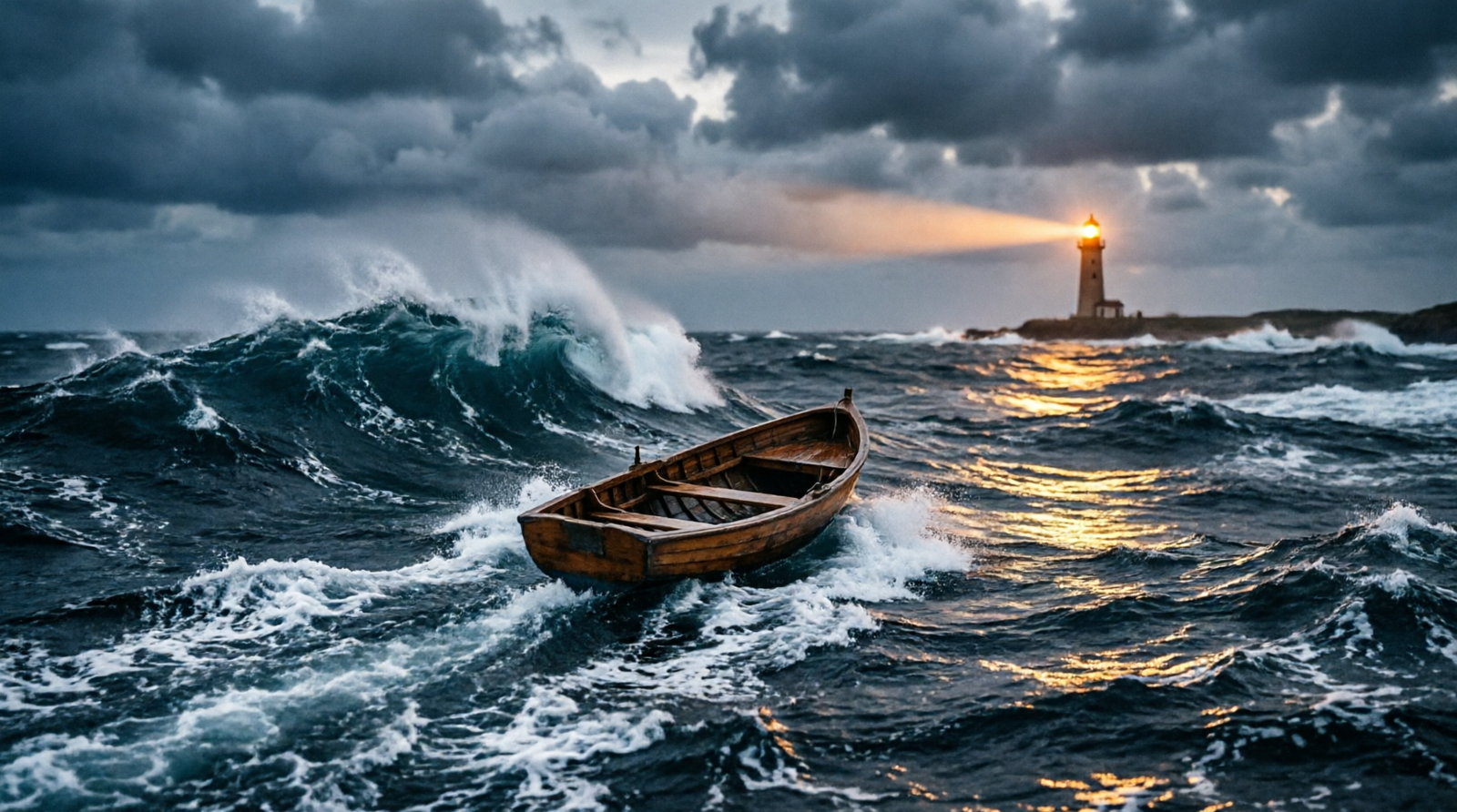
People use long-shot metaphors because they turn an abstract idea about probability into a picture that readers can understand quickly. Instead of saying “the chances are very low,” a writer can describe a distant star, a tiny bridge, or a ball thrown across a canyon. The image adds emotion and makes the sentence easier to remember.
In everyday conversation
A person might say:
“Asking them for help is a long shot.”
Or:
“Winning this game is like throwing a paper plane into a hurricane.”
The second sentence gives the listener a much stronger picture.
In writing
Metaphors are useful when a writer wants to avoid repeating words such as:
- unlikely
- difficult
- risky
- uncertain
- improbable
- nearly impossible
- low chance
- remote possibility
In speaking
A short metaphor can make casual speech more colorful.
“Getting tickets now is like finding snow in July.”
It sounds more natural and memorable than:
“The probability of getting tickets is low.”
In school assignments
Metaphors can make essays, stories, personal narratives, and creative writing more vivid.
Instead of:
“My goal seemed very difficult.”
Try:
“My goal stood like a mountain behind a wall of fog.”
On social media
Short metaphors work well in captions and posts because they communicate emotion quickly.
“Still chasing that distant star.”
This can suggest that a dream feels far away but remains worth pursuing.
In professional communication
Use metaphors carefully at work. A phrase like “a stretch goal” may sound professional, while “trying to catch a falling star” may sound too poetic for a formal report.
Pro tip: Choose the metaphor based on the audience, not just the meaning.
60+ Metaphors for a Long Shot
The following expressions all communicate some form of low odds, difficult success, distant hope, or risky possibility. They are not all exact synonyms. Each one carries a slightly different emotional meaning.
A Distant Star
Meaning: A goal that feels very far away but is still visible and possible.
Real explanation: A star may be millions of miles away, yet you can still see it. This makes it a useful image for a dream that seems unreachable but has not disappeared.
Sample sentence: “Winning the national award felt like reaching for a distant star.”
When to use it: Use it for dreams, ambitions, love, success, or personal goals.
When NOT to use it: Avoid it when you need to stress a practical, measurable risk.
Alternatives: a far-off dream; a remote hope; a light on the horizon.
Difficulty level: Easy
Tone: Neutral to inspirational
A Flickering Candle
Meaning: A small, uncertain hope that could easily disappear.
Real explanation: A candle flame can survive or go out with one gust of wind. The image captures fragile hope.
Sample sentence: “Her chance of getting the job was a flickering candle, but she protected it with one last interview.”
When to use it: Good for emotional writing and stories.
When NOT to use it: Avoid it for cheerful, confident situations.
Alternatives: a fragile hope; a weak flame; a fading light.
Difficulty level: Easy
Tone: Emotional
A Needle in a Haystack
Meaning: Something extremely difficult to find.
Real explanation: A tiny needle hidden among thousands of pieces of hay represents an almost impossible search.
Sample sentence: “Finding the one missing receipt in that office was a needle in a haystack.”
When to use it: Searches, investigations, missing information, rare objects.
When NOT to use it: Do not use it when the main idea is winning rather than finding.
Alternatives: searching for a grain of sand; finding a tiny speck; hunting for a hidden gem.
Difficulty level: Easy
Tone: Informal to neutral
A Shot Across an Ocean
Meaning: An attempt with an enormous distance between the person trying and the desired result.
Real explanation: Crossing an ocean is already difficult. Trying to make a successful shot across one creates an exaggerated image of low odds.
Sample sentence: “Convincing the famous author to read my new book felt like a shot across an ocean.”
When to use it: Creative writing and dramatic speech.
When NOT to use it: Avoid it in formal reports.
Alternatives: a distant attempt; a shot from miles away; a far-reaching gamble.
Difficulty level: Medium
Tone: Dramatic
A Coin Toss in a Hurricane
Meaning: A decision or attempt where the outcome is extremely uncertain.
Real explanation: A coin toss is normally simple, but a hurricane makes the image chaotic and unpredictable.
Sample sentence: “Predicting which startup will win is a coin toss in a hurricane.”
When to use it: Highly uncertain situations.
When NOT to use it: Avoid it when there is reliable data.
Alternatives: a roll of the dice; a wild guess; a gamble in the dark.
Difficulty level: Medium
Tone: Informal
A Moonshot
Meaning: An extremely ambitious goal that seems almost impossible.
Real explanation: The moon is incredibly distant, so reaching it represents an extraordinary challenge.
Sample sentence: “Building a global company in two years was their moonshot.”
When to use it: Business, science, technology, innovation, major dreams.
When NOT to use it: Avoid it when you mean a tiny or ordinary risk.
Alternatives: an audacious goal; a huge gamble; an ambitious leap.
Difficulty level: Easy
Tone: Professional to inspirational
A Paper Boat in a Storm
Meaning: A weak attempt facing overwhelming conditions.
Real explanation: A paper boat is fragile, while a storm is powerful. Together, they show a very low chance of survival.
Sample sentence: “Starting that company without funding felt like a paper boat in a storm.”
When to use it: Difficult projects and emotional writing.
When NOT to use it: Avoid it if the attempt is actually well-supported.
Alternatives: a fragile effort; a tiny ship in rough seas; a weak defense.
Difficulty level: Easy
Tone: Dramatic
A Feather Against the Wind
Meaning: Trying to succeed while powerful forces push against you.
Real explanation: A feather cannot easily resist strong wind, so the image suggests an uphill battle.
Sample sentence: “Changing the old system felt like a feather against the wind.”
When to use it: Social change, personal struggles, difficult goals.
When NOT to use it: Avoid it when the main issue is distance rather than opposition.
Alternatives: swimming against the current; pushing against a storm; fighting the tide.
Difficulty level: Easy
Tone: Inspirational
A Ladder Missing Its Top Rung
Meaning: A goal that seems reachable but has one major obstacle preventing success.
Real explanation: You can climb most of the ladder, but the missing final rung stops you from reaching the top.
Sample sentence: “Getting the promotion without the required degree felt like a ladder missing its top rung.”
When to use it: Career goals, education, unfinished plans.
When NOT to use it: Avoid it when success is completely impossible.
Alternatives: an incomplete path; one step short; a blocked finish.
Difficulty level: Medium
Tone: Neutral
A Key Buried in Sand
Meaning: A solution exists but is extremely difficult to discover.
Real explanation: A key can open a door, but if it is buried under sand, finding it becomes the real challenge.
Sample sentence: “The answer was a key buried in sand.”
When to use it: Problems, research, puzzles, investigations.
When NOT to use it: Avoid it when there is no known solution.
Alternatives: a hidden answer; a buried clue; a concealed solution.
Difficulty level: Easy
Tone: Neutral
A Candle at the Bottom of the Sea
Meaning: A hope or attempt facing almost impossible conditions.
Real explanation: A normal candle cannot easily burn underwater, so the image suggests an extremely fragile possibility.
Sample sentence: “His plan to repair the old theater felt like a candle at the bottom of the sea.”
When to use it: Creative and emotional writing.
When NOT to use it: Avoid it in ordinary business conversation.
Alternatives: a fragile dream; hope under pressure; a light in impossible darkness.
Difficulty level: Medium
Tone: Poetic
A Bridge Made of Thread
Meaning: A very narrow and risky path toward success.
Real explanation: A thread cannot normally support a person, so crossing a bridge made from one represents extreme danger.
Sample sentence: “Negotiating the deal was a bridge made of thread.”
When to use it: Risky negotiations and dramatic situations.
When NOT to use it: Avoid it if the path is secure.
Alternatives: a fragile path; a razor-thin chance; a dangerous crossing.
Difficulty level: Medium
Tone: Dramatic
A Raindrop Challenging the Ocean
Meaning: A tiny effort facing something vastly more powerful.
Real explanation: An ocean is enormous compared with a single raindrop.
Sample sentence: “One small charity challenging global poverty can feel like a raindrop challenging the ocean.”
When to use it: Social causes, huge problems, individual efforts.
When NOT to use it: Avoid it if the individual effort has strong support.
Alternatives: a drop against a sea; one voice against a crowd; a spark against a wildfire.
Difficulty level: Easy
Tone: Inspirational
A Single Arrow in a Dark Forest
Meaning: Making one uncertain attempt without knowing exactly where it will land.
Real explanation: The dark forest hides the target, while the single arrow represents limited opportunity.
Sample sentence: “Sending that proposal was a single arrow in a dark forest.”
When to use it: Business proposals, uncertain decisions, creative risks.
When NOT to use it: Avoid it when the target is clear and measurable.
Alternatives: one uncertain attempt; a blind effort; one chance in the dark.
Difficulty level: Medium
Tone: Dramatic
A Boat Chasing the Horizon
Meaning: Pursuing a goal that always seems to remain far away.
Real explanation: The horizon appears reachable but moves farther away as you travel.
Sample sentence: “Becoming the best player in the league felt like a boat chasing the horizon.”
When to use it: Long-term ambitions and dreams.
When NOT to use it: Avoid it when the goal has a short deadline.
Alternatives: chasing a distant dream; following the horizon; pursuing a far-off goal.
Difficulty level: Easy
Tone: Inspirational
A Match Against the Rain
Meaning: Trying to keep hope alive under conditions that work against you.
Real explanation: A match can quickly go out in rain, making the attempt difficult but not necessarily hopeless.
Sample sentence: “Keeping the project alive was a match against the rain.”
When to use it: Difficult projects and emotional writing.
When NOT to use it: Avoid it when there is no serious obstacle.
Alternatives: a flame in a storm; fighting the weather; protecting a small hope.
Difficulty level: Easy
Tone: Poetic
A Kite Without a String
Meaning: An attempt or hope with little control over the final result.
Real explanation: A kite without its string can be carried wherever the wind takes it.
Sample sentence: “His plan felt like a kite without a string.”
When to use it: Uncontrolled situations.
When NOT to use it: Avoid it when the problem is simply difficulty.
Alternatives: drifting without control; a ship without a rudder; a plan adrift.
Difficulty level: Easy
Tone: Neutral
A Whisper in a Stadium
Meaning: A small effort or voice that may struggle to have an effect.
Real explanation: A whisper becomes almost invisible in the noise of a huge stadium.
Sample sentence: “Her complaint felt like a whisper in a stadium.”
When to use it: Advocacy, communication, social issues.
When NOT to use it: Avoid it when the speaker has strong influence.
Alternatives: a voice in the crowd; a tiny signal; a quiet call.
Difficulty level: Easy
Tone: Emotional
A Sandcastle Facing the Tide
Meaning: Something fragile trying to survive a powerful force.
Real explanation: A sandcastle can look strong for a while, but the tide can wash it away.
Sample sentence: “Their small business felt like a sandcastle facing the tide.”
When to use it: Business, relationships, unstable plans.
When NOT to use it: Avoid it when the situation is stable.
Alternatives: fragile against pressure; a castle of sand; a weak wall against waves.
Difficulty level: Easy
Tone: Dramatic
A Grain of Sand in a River
Meaning: A tiny chance or effort surrounded by much larger forces.
Real explanation: One grain of sand is almost impossible to notice in a moving river.
Sample sentence: “My application felt like a grain of sand in a river of candidates.”
When to use it: Competition and large systems.
When NOT to use it: Avoid it when you are one of only a few competitors.
Alternatives: a drop in the river; a tiny voice; a small piece in a giant puzzle.
Difficulty level: Easy
Tone: Neutral
A Butterfly Racing a Train
Meaning: A beautiful but extremely unlikely attempt to beat a much stronger force.
Real explanation: A butterfly cannot realistically compete with a train.
Sample sentence: “Trying to beat that experienced team was a butterfly racing a train.”
When to use it: Sports and playful comparisons.
When NOT to use it: Avoid it if you want a respectful or formal tone.
Alternatives: an underdog race; a tiny challenger; a weak competitor.
Difficulty level: Easy
Tone: Informal
A Bicycle Climbing a Cliff
Meaning: A task that is far beyond normal effort.
Real explanation: A bicycle is not built to climb a steep cliff.
Sample sentence: “Finishing the entire project overnight was a bicycle climbing a cliff.”
When to use it: Extreme challenges.
When NOT to use it: Avoid it when the goal is merely somewhat difficult.
Alternatives: an uphill battle; a brutal climb; a nearly impossible task.
Difficulty level: Easy
Tone: Informal
A Spark Hunting a Thunderstorm
Meaning: A small hope trying to survive or compete against overwhelming power.
Real explanation: A spark is tiny compared with a thunderstorm.
Sample sentence: “Our tiny campaign was a spark hunting a thunderstorm.”
When to use it: Campaigns, causes, competition.
When NOT to use it: Avoid it when the two sides are evenly matched.
Alternatives: a small flame against a storm; a tiny force; a weak challenger.
Difficulty level: Medium
Tone: Dramatic
A Seed in Frozen Ground
Meaning: A possibility that exists but has very poor conditions for growth.
Real explanation: A seed needs suitable soil and warmth. Frozen ground makes growth difficult.
Sample sentence: “Their new idea was a seed in frozen ground.”
When to use it: Business ideas, relationships, plans, opportunities.
When NOT to use it: Avoid it when conditions are favorable.
Alternatives: a dream in hard soil; an idea waiting for spring; a fragile beginning.
Difficulty level: Easy
Tone: Hopeful
A Snowball in a Furnace
Meaning: Something unlikely to survive because the surrounding conditions are too strong.
Real explanation: A snowball melts quickly in intense heat.
Sample sentence: “Trying to keep the old policy alive was like a snowball in a furnace.”
When to use it: Failing plans or doomed efforts.
When NOT to use it: Avoid it when there is a realistic path to success.
Alternatives: a losing battle; a melting chance; a fragile effort.
Difficulty level: Easy
Tone: Dramatic
A Raft Made of Leaves
Meaning: A plan that is too weak to carry a difficult goal.
Real explanation: Leaves cannot normally make a reliable raft.
Sample sentence: “Their backup plan was a raft made of leaves.”
When to use it: Weak plans and poor preparation.
When NOT to use it: Avoid it if the plan is strong.
Alternatives: a shaky plan; a fragile solution; a weak foundation.
Difficulty level: Easy
Tone: Informal
A Target Behind the Clouds
Meaning: A goal that cannot yet be clearly seen or reached.
Real explanation: Clouds hide the target, making a successful shot uncertain.
Sample sentence: “Winning the contract was a target behind the clouds.”
When to use it: Unclear goals and uncertain outcomes.
When NOT to use it: Avoid it when the goal is obvious.
Alternatives: an unclear target; a hidden goal; a distant possibility.
Difficulty level: Easy
Tone: Neutral
A Lottery Ticket in a Million-Seat Stadium
Meaning: An opportunity with extremely low odds.
Real explanation: A lottery already represents uncertainty, and the huge stadium makes the odds feel even smaller.
Sample sentence: “That investment felt like a lottery ticket in a million-seat stadium.”
When to use it: Financial or casual discussions.
When NOT to use it: Avoid it when you need precise statistical language.
Alternatives: a tiny chance; a high-risk bet; a slim possibility.
Difficulty level: Easy
Tone: Informal
A Boat Sailing Toward a Mirage
Meaning: Chasing something that may not really exist.
Real explanation: A mirage looks real from a distance but can disappear when approached.
Sample sentence: “His promise of instant success was a boat sailing toward a mirage.”
When to use it: False hopes and unrealistic promises.
When NOT to use it: Avoid it when the goal is real but simply difficult.
Alternatives: chasing an illusion; following false hope; pursuing a dreamlike promise.
Difficulty level: Medium
Tone: Critical
A Door with a Thousand Locks
Meaning: A goal that requires overcoming many obstacles.
Real explanation: One lock is manageable. A thousand locks make entry seem almost impossible.
Sample sentence: “Getting approval felt like opening a door with a thousand locks.”
When to use it: Bureaucracy, complex projects, difficult processes.
When NOT to use it: Avoid it when there is only one obstacle.
Alternatives: a wall of obstacles; a maze of barriers; a heavily guarded path.
Difficulty level: Easy
Tone: Neutral
A Runner Chasing Lightning
Meaning: Trying to catch or achieve something extremely difficult and unpredictable.
Real explanation: Lightning cannot be physically chased or easily controlled.
Sample sentence: “Finding another perfect opportunity felt like a runner chasing lightning.”
When to use it: Rare opportunities.
When NOT to use it: Avoid it when the goal is routine.
Alternatives: chasing a rare moment; pursuing lightning; trying to catch the impossible.
Difficulty level: Easy
Tone: Inspirational
A Keyhole to a Castle
Meaning: A tiny possibility of gaining access to something much larger.
Real explanation: A keyhole is small, but it can provide access to an entire castle.
Sample sentence: “That internship was a keyhole to a castle for her career.”
When to use it: Opportunities with high potential.
When NOT to use it: Avoid it when the opportunity has no meaningful benefit.
Alternatives: a narrow doorway; a small opening; a gateway to something bigger.
Difficulty level: Easy
Tone: Hopeful
A Matchstick Facing the Sun
Meaning: A small force or hope facing something vastly more powerful.
Real explanation: A matchstick is tiny compared with the sun.
Sample sentence: “Their tiny company competing with the giant was a matchstick facing the sun.”
When to use it: Business, competition, dramatic writing.
When NOT to use it: Avoid it when the competitors are equal.
Alternatives: a tiny challenger; a small flame against daylight; an underdog facing a giant.
Difficulty level: Easy
Tone: Dramatic
A Tiny Bridge Over a Canyon
Meaning: A narrow chance that can lead across a very difficult problem.
Real explanation: The bridge may provide a way forward, but crossing it requires care.
Sample sentence: “That final interview was a tiny bridge over a canyon.”
When to use it: Last chances and difficult transitions.
When NOT to use it: Avoid it when many safe options exist.
Alternatives: a narrow path; one fragile opening; a slim route forward.
Difficulty level: Easy
Tone: Neutral
A Single Seed in a Desert
Meaning: A tiny possibility surrounded by conditions that make success difficult.
Real explanation: A seed in a desert has little water or support, yet it still represents life.
Sample sentence: “Her dream of becoming a writer was a single seed in a desert.”
When to use it: Dreams, creativity, personal goals.
When NOT to use it: Avoid it when success is already likely.
Alternatives: hope in dry ground; a tiny beginning; life in barren soil.
Difficulty level: Easy
Tone: Inspirational
A Boat with One Oar
Meaning: An attempt that lacks enough resources to succeed smoothly.
Real explanation: A boat can move with one oar, but controlling it is much harder.
Sample sentence: “Launching the business without a partner was a boat with one oar.”
When to use it: Projects, business, teamwork.
When NOT to use it: Avoid it if resources are actually sufficient.
Alternatives: working with one hand tied; an incomplete team; a limited effort.
Difficulty level: Easy
Tone: Informal
A Star at the End of a Tunnel
Meaning: A distant sign of hope after a difficult period.
Real explanation: The star is far away but gives the traveler a reason to continue.
Sample sentence: “That small scholarship was a star at the end of a tunnel.”
When to use it: Hopeful situations.
When NOT to use it: Avoid it if the outcome is clearly negative.
Alternatives: a light ahead; hope on the horizon; a distant promise.
Difficulty level: Easy
Tone: Inspirational
A Dart Thrown Through Fog
Meaning: An attempt made without a clear view of the target.
Real explanation: Fog makes aiming difficult, so the dart’s landing place is uncertain.
Sample sentence: “Choosing a new career without knowing the industry was a dart thrown through fog.”
When to use it: Uncertain decisions.
When NOT to use it: Avoid it when you have strong information.
Alternatives: a blind guess; an uncertain move; an attempt without a map.
Difficulty level: Easy
Tone: Neutral
A Footstep on Thin Ice
Meaning: A risky move where one mistake could cause failure.
Real explanation: Thin ice can break under pressure, so every step carries danger.
Sample sentence: “Asking for another extension felt like a footstep on thin ice.”
When to use it: Sensitive decisions and risky actions.
When NOT to use it: Avoid it when the situation is safe.
Alternatives: walking a tightrope; taking a dangerous step; risking the break.
Difficulty level: Easy
Tone: Neutral
A Tightrope in the Dark
Meaning: Trying to succeed while having little information and little room for error.
Real explanation: Walking a tightrope is already difficult. Doing it in darkness makes the task much harder.
Sample sentence: “Running the company during the crisis felt like a tightrope in the dark.”
When to use it: High-pressure situations.
When NOT to use it: Avoid it for simple risks.
Alternatives: a dangerous balancing act; a blind tightrope walk; a narrow margin.
Difficulty level: Easy
Tone: Dramatic
A Whisper Trying to Move a Mountain
Meaning: A very small effort trying to create a huge change.
Real explanation: A whisper has almost no physical force, while a mountain represents enormous resistance.
Sample sentence: “One student challenging the unfair rule felt like a whisper trying to move a mountain.”
When to use it: Advocacy and social change.
When NOT to use it: Avoid it when the speaker has significant power.
Alternatives: one voice against a wall; a small effort against giant resistance; a tiny force for big change.
Difficulty level: Easy
Tone: Inspirational
A Small Boat Against Giant Waves
Meaning: Facing powerful obstacles with limited strength or resources.
Real explanation: A small boat can survive waves, but giant waves create serious danger.
Sample sentence: “The new restaurant was a small boat against giant waves.”
When to use it: Competition and difficult business conditions.
When NOT to use it: Avoid it when conditions are calm.
Alternatives: an underdog against giants; a small force in rough water; a fragile challenger.
Difficulty level: Easy
Tone: Dramatic
A Seed Trying to Crack Concrete
Meaning: A small idea or person trying to break through a very hard obstacle.
Real explanation: A seedling pushing through concrete suggests unusual strength despite terrible odds.
Sample sentence: “Her idea was a seed trying to crack concrete.”
When to use it: Persistence and innovation.
When NOT to use it: Avoid it when there is no real obstacle.
Alternatives: breaking through a wall; growing through stone; hope pushing through resistance.
Difficulty level: Easy
Tone: Inspirational
A Pencil Drawing on Water
Meaning: An effort that is unlikely to last or produce a stable result.
Real explanation: Writing or drawing on moving water cannot create a permanent image.
Sample sentence: “Trying to rebuild trust with one apology felt like a pencil drawing on water.”
When to use it: Temporary efforts and unstable situations.
When NOT to use it: Avoid it when progress is lasting.
Alternatives: writing on air; building on water; a temporary mark.
Difficulty level: Medium
Tone: Poetic
A Firefly in a Stadium
Meaning: A tiny source of hope or influence in a huge environment.
Real explanation: A firefly glows, but its light is tiny compared with a large stadium.
Sample sentence: “Her small act of kindness was a firefly in a stadium.”
When to use it: Positive but small contributions.
When NOT to use it: Avoid it when you want to emphasize failure.
Alternatives: a tiny light; a small beacon; a little glow in the dark.
Difficulty level: Easy
Tone: Inspirational
A Single Voice in a Roaring Crowd
Meaning: One person’s effort or opinion has a small chance of being heard.
Real explanation: A single voice can disappear beneath thousands of louder voices.
Sample sentence: “His warning was a single voice in a roaring crowd.”
When to use it: Opinions, warnings, public debate.
When NOT to use it: Avoid it when the speaker has a large audience.
Alternatives: a lone voice; a quiet message; one voice among thousands.
Difficulty level: Easy
Tone: Neutral
A Bicycle with a Flat Tire in a Race
Meaning: Trying to compete while facing a major disadvantage.
Real explanation: A flat tire makes even a skilled cyclist much slower.
Sample sentence: “Entering the competition without preparation was a bicycle with a flat tire in a race.”
When to use it: Sports, school, business, competition.
When NOT to use it: Avoid it when everyone has equal preparation.
Alternatives: racing with a handicap; starting behind; competing with a burden.
Difficulty level: Easy
Tone: Informal
A Key for a Door That Barely Exists
Meaning: A possible solution to a problem whose path forward is extremely uncertain.
Real explanation: The key suggests possibility, while the barely visible door suggests how difficult the opportunity is to find.
Sample sentence: “That unexpected contact was a key for a door that barely existed.”
When to use it: Rare opportunities.
When NOT to use it: Avoid it for ordinary solutions.
Alternatives: a hidden opening; a secret route; a narrow opportunity.
Difficulty level: Medium
Tone: Creative
A Raindrop Trying to Stop a Flood
Meaning: A small effort facing a massive problem.
Real explanation: One raindrop cannot stop a flood.
Sample sentence: “Fixing the entire system alone was a raindrop trying to stop a flood.”
When to use it: Large-scale problems.
When NOT to use it: Avoid it when teamwork makes the goal realistic.
Alternatives: a drop against a flood; a tiny defense; one hand against a wave.
Difficulty level: Easy
Tone: Dramatic
A Lantern in a Blizzard
Meaning: A small but meaningful hope during a very difficult situation.
Real explanation: A lantern cannot stop a blizzard, but it can provide enough light to keep moving.
Sample sentence: “That message from my friend was a lantern in a blizzard.”
When to use it: Emotional writing and difficult periods.
When NOT to use it: Avoid it if there is no hardship.
Alternatives: a light in the storm; a small beacon; hope in bad weather.
Difficulty level: Easy
Tone: Warm
A Climber Facing a Glass Mountain
Meaning: A goal that looks impossible because the obstacles are difficult to overcome.
Real explanation: Glass is smooth and hard to climb, making the mountain an image of extreme difficulty.
Sample sentence: “Getting the top score felt like climbing a glass mountain.”
When to use it: Academic goals, career goals, personal challenges.
When NOT to use it: Avoid it when the goal is easy.
Alternatives: a steep climb; an impossible wall; a nearly unreachable peak.
Difficulty level: Easy
Tone: Dramatic
A Match Waiting for a Breeze
Meaning: A small opportunity that needs one lucky event to become successful.
Real explanation: A match can produce a flame, but the right conditions matter.
Sample sentence: “Her business idea was a match waiting for a breeze.”
When to use it: New ideas and opportunities.
When NOT to use it: Avoid it if success depends on many complex factors.
Alternatives: waiting for a spark; a chance waiting to ignite; an opportunity on standby.
Difficulty level: Easy
Tone: Hopeful
A Door at the Edge of the World
Meaning: An opportunity that feels incredibly distant or unlikely.
Real explanation: A door at the world’s edge represents access to something almost beyond reach.
Sample sentence: “That fellowship seemed like a door at the edge of the world.”
When to use it: Dreams, travel, education, careers.
When NOT to use it: Avoid it in highly technical writing.
Alternatives: a distant doorway; a far-off opportunity; a remote opening.
Difficulty level: Easy
Tone: Poetic
A Seed Carried by the Wind
Meaning: A possibility whose future depends heavily on chance.
Real explanation: A seed carried by wind has no control over where it lands.
Sample sentence: “His application was a seed carried by the wind.”
When to use it: Uncertain opportunities.
When NOT to use it: Avoid it when you have strong control over the outcome.
Alternatives: drifting chance; a wandering opportunity; a hope carried by chance.
Difficulty level: Easy
Tone: Poetic
A Ball Thrown Over a Mountain
Meaning: An attempt that must overcome an enormous obstacle before reaching its target.
Real explanation: A mountain creates a huge barrier between the thrower and the destination.
Sample sentence: “Repairing the relationship felt like throwing a ball over a mountain.”
When to use it: Relationships, negotiations, difficult goals.
When NOT to use it: Avoid it for simple tasks.
Alternatives: clearing a giant obstacle; making an impossible throw; reaching across a barrier.
Difficulty level: Easy
Tone: Dramatic
A Small Key Against a Giant Gate
Meaning: A tiny opportunity that may unlock a much larger result.
Real explanation: The key looks insignificant beside the gate, but it may still be powerful enough to open it.
Sample sentence: “That one introduction was a small key against a giant gate.”
When to use it: Networking, careers, opportunities.
When NOT to use it: Avoid it if the key clearly cannot work.
Alternatives: a little opening; one chance to enter; a tiny solution to a huge problem.
Difficulty level: Easy
Tone: Hopeful
A Sparrow Challenging an Eagle
Meaning: A small or inexperienced competitor taking on a much stronger opponent.
Real explanation: The size and power difference make the contest highly unequal.
Sample sentence: “Our local team facing the champions was a sparrow challenging an eagle.”
When to use it: Sports and competition.
When NOT to use it: Avoid it when the competitors are evenly matched.
Alternatives: an underdog challenge; David facing Goliath; a small rival against a giant.
Difficulty level: Easy
Tone: Dramatic
A Boat Looking for a Lighthouse in Fog
Meaning: Searching for a way forward when the solution is difficult to see.
Real explanation: Fog blocks the lighthouse, leaving the boat uncertain about its direction.
Sample sentence: “Finding the right career felt like a boat looking for a lighthouse in fog.”
When to use it: Life choices and uncertain decisions.
When NOT to use it: Avoid it when the path is already clear.
Alternatives: searching for direction; looking for a signal; finding a path through fog.
Difficulty level: Easy
Tone: Reflective
A Single Ticket on a Moving Train
Meaning: One limited opportunity that must be used at the right moment.
Real explanation: A moving train cannot be stopped easily, so the ticket represents a narrow chance.
Sample sentence: “That interview was a single ticket on a moving train.”
When to use it: Deadlines and time-sensitive opportunities.
When NOT to use it: Avoid it when many opportunities remain.
Alternatives: one chance; a narrow window; a fleeting opportunity.
Difficulty level: Easy
Tone: Neutral
A Snowflake in a Furnace
Meaning: A fragile hope facing conditions that may quickly destroy it.
Real explanation: A snowflake cannot last in extreme heat.
Sample sentence: “Their hope of saving the old building was a snowflake in a furnace.”
When to use it: Very fragile chances.
When NOT to use it: Avoid it when the situation has strong support.
Alternatives: a melting hope; fragile in the heat; a brief chance.
Difficulty level: Easy
Tone: Dramatic
A Runner Starting Miles Behind
Meaning: Beginning a difficult task with a major disadvantage.
Real explanation: A runner who starts far behind has much more ground to cover.
Sample sentence: “Entering the exam without studying felt like a runner starting miles behind.”
When to use it: School, sports, careers, competition.
When NOT to use it: Avoid it when everyone starts equally.
Alternatives: starting from behind; fighting an uphill battle; beginning at a disadvantage.
Difficulty level: Easy
Tone: Informal
A Candle in a Waterfall
Meaning: A tiny hope surrounded by forces that could easily destroy it.
Real explanation: A candle cannot survive falling water for long.
Sample sentence: “Their plan to rebuild trust was a candle in a waterfall.”
When to use it: Emotional and creative writing.
When NOT to use it: Avoid it in formal reports.
Alternatives: hope under pressure; a fragile flame; a weak light in chaos.
Difficulty level: Medium
Tone: Poetic
A Ship Sailing Without a Map
Meaning: Attempting a difficult goal without knowing exactly how to reach it.
Real explanation: A ship can travel without a map, but the chance of reaching the right destination falls.
Sample sentence: “Starting the project without research was a ship sailing without a map.”
When to use it: Planning and decision-making.
When NOT to use it: Avoid it if a clear plan exists.
Alternatives: moving without direction; traveling blind; working without a roadmap.
Difficulty level: Easy
Tone: Neutral
A Grain of Rice in a Stadium
Meaning: Something extremely small compared with its surroundings.
Real explanation: A single grain of rice would almost disappear inside a huge stadium.
Sample sentence: “My application felt like a grain of rice in a stadium full of talented candidates.”
When to use it: Competition.
When NOT to use it: Avoid it when there are few competitors.
Alternatives: a tiny piece in a huge crowd; a small voice; one among millions.
Difficulty level: Easy
Tone: Neutral
A Finger Trying to Hold Back a Wave
Meaning: A small effort trying to stop a powerful force.
Real explanation: A finger cannot physically stop a large wave.
Sample sentence: “Trying to fix the entire problem alone was a finger trying to hold back a wave.”
When to use it: Huge challenges.
When NOT to use it: Avoid it when the problem is manageable.
Alternatives: one hand against the tide; a tiny defense; fighting a giant force.
Difficulty level: Easy
Tone: Dramatic
A Whisper at the Bottom of a Canyon
Meaning: A message or attempt that has very little immediate impact.
Real explanation: A whisper becomes faint and distant in a huge canyon.
Sample sentence: “My request for help felt like a whisper at the bottom of a canyon.”
When to use it: Communication and emotional writing.
When NOT to use it: Avoid it if your message has already received attention.
Alternatives: an unheard call; a faint voice; a distant plea.
Difficulty level: Easy
Tone: Emotional
A Door with a Hairline Crack
Meaning: A very small opening that still offers some hope.
Real explanation: A hairline crack is tiny, but it proves the door is not completely sealed.
Sample sentence: “The rejection email left a door with a hairline crack.”
When to use it: Hope after disappointment.
When NOT to use it: Avoid it when there is truly no opportunity.
Alternatives: a slim opening; a tiny chance; a narrow possibility.
Difficulty level: Easy
Tone: Hopeful
A Raft in an Endless Sea
Meaning: A small source of survival or hope surrounded by overwhelming uncertainty.
Real explanation: An endless sea makes the raft seem tiny and vulnerable.
Sample sentence: “That one job offer was a raft in an endless sea.”
When to use it: Major uncertainty.
When NOT to use it: Avoid it when several strong options exist.
Alternatives: a small refuge; a lifeline in uncertainty; one safe place.
Difficulty level: Easy
Tone: Emotional
A Single Bullet Against a Fortress
Meaning: One limited attempt against a heavily protected challenge.
Real explanation: A fortress is designed to withstand attacks, while one bullet offers very little force.
Sample sentence: “One complaint against the huge company felt like a single bullet against a fortress.”
When to use it: Powerful opposition.
When NOT to use it: Avoid it if many people support the effort.
Alternatives: one strike against a wall; a tiny attack; a weak challenge.
Difficulty level: Medium
Tone: Dramatic
A Tiny Flame in a Snowfield
Meaning: A small but meaningful hope surrounded by difficulty.
Real explanation: The flame provides warmth and light, but the snowfield creates harsh conditions.
Sample sentence: “Her belief in the project was a tiny flame in a snowfield.”
When to use it: Hope and perseverance.
When NOT to use it: Avoid it if the situation is already positive.
Alternatives: a light in the cold; a warm spark; hope in winter.
Difficulty level: Easy
Tone: Inspirational
A Runner Chasing a Shadow
Meaning: Pursuing something that may never be captured.
Real explanation: You can see a shadow, but you cannot physically catch it.
Sample sentence: “Trying to recover the old glory felt like a runner chasing a shadow.”
When to use it: Lost opportunities and impossible goals.
When NOT to use it: Avoid it when the goal is clearly achievable.
Alternatives: chasing an illusion; pursuing the unreachable; running after a ghost.
Difficulty level: Easy
Tone: Reflective
A Match in a Monsoon
Meaning: An extremely fragile chance facing overwhelming conditions.
Real explanation: Heavy rain can extinguish a match almost instantly.
Sample sentence: “Keeping the project funded was a match in a monsoon.”
When to use it: High-risk situations.
When NOT to use it: Avoid it for moderate challenges.
Alternatives: a flame in a storm; fragile hope; a tiny light under pressure.
Difficulty level: Easy
Tone: Dramatic
A Small Net Under a Falling Star
Meaning: Making a hopeful but unlikely attempt to capture a rare opportunity.
Real explanation: Catching a falling star is already unrealistic, and a small net makes the odds even lower.
Sample sentence: “Applying for that once-in-a-lifetime program felt like holding a small net under a falling star.”
When to use it: Rare opportunities and dreams.
When NOT to use it: Avoid it for ordinary applications.
Alternatives: chasing a rare chance; reaching for a miracle; trying to catch luck.
Difficulty level: Medium
Tone: Poetic
A Foot on the Edge of a Cliff
Meaning: Being in a situation where the next step carries serious risk.
Real explanation: The edge of a cliff represents danger and the possibility of falling.
Sample sentence: “Leaving my stable job for the new venture felt like a foot on the edge of a cliff.”
When to use it: Major personal or professional decisions.
When NOT to use it: Avoid it when the risk is minor.
Alternatives: standing on the edge; taking a dangerous leap; facing a steep risk.
Difficulty level: Easy
Tone: Dramatic
A Dice Roll with One Winning Face
Meaning: A situation with extremely low odds of success.
Real explanation: If a die has many faces but only one winning face, success is possible but unlikely.
Sample sentence: “Getting selected from thousands of applicants felt like a dice roll with one winning face.”
When to use it: Competition and chance.
When NOT to use it: Avoid it when skill strongly controls the outcome.
Alternatives: a slim gamble; one chance among many; a low-odds bet.
Difficulty level: Easy
Tone: Informal
A Tiny Sailboat in a Hurricane
Meaning: A weak attempt facing powerful and dangerous conditions.
Real explanation: A tiny sailboat is vulnerable to hurricane-force winds and waves.
Sample sentence: “Our small team competing against that giant company was a tiny sailboat in a hurricane.”
When to use it: Business, sports, competition.
When NOT to use it: Avoid it when the teams are similar in strength.
Alternatives: a small ship in a storm; an underdog against the odds; a fragile competitor.
Difficulty level: Easy
Tone: Dramatic
A Seed Reaching for the Sky
Meaning: A small beginning with a distant and difficult goal.
Real explanation: A seed begins small but can grow toward something much larger.
Sample sentence: “Her first short story was a seed reaching for the sky.”
When to use it: Creative goals and personal growth.
When NOT to use it: Avoid it when you want to emphasize danger.
Alternatives: a small beginning; a growing dream; a young idea reaching upward.
Difficulty level: Easy
Tone: Inspirational
A Candle Searching for Dawn
Meaning: A small hope trying to survive until better conditions arrive.
Real explanation: A candle gives temporary light while waiting for daylight.
Sample sentence: “His final application was a candle searching for dawn.”
When to use it: Hope after repeated failure.
When NOT to use it: Avoid it for purely practical descriptions.
Alternatives: holding on for daylight; waiting for a breakthrough; keeping hope alive.
Difficulty level: Easy
Tone: Poetic
Quick Reference Table
| # | Metaphor | Best meaning | Tone |
|---|---|---|---|
| 1 | A distant star | Far-away dream | Inspirational |
| 2 | A flickering candle | Fragile hope | Emotional |
| 3 | A needle in a haystack | Hard to find | Neutral |
| 4 | A shot across an ocean | Very distant attempt | Dramatic |
| 5 | A coin toss in a hurricane | Extreme uncertainty | Informal |
| 6 | A moonshot | Huge ambition | Bold |
| 7 | A paper boat in a storm | Weak effort | Dramatic |
| 8 | A feather against the wind | Resistance | Inspirational |
| 9 | A ladder missing its top rung | One major obstacle | Neutral |
| 10 | A key buried in sand | Hidden solution | Neutral |
| 11 | A candle at the bottom of the sea | Almost impossible hope | Poetic |
| 12 | A bridge made of thread | Fragile opportunity | Dramatic |
| 13 | A raindrop challenging the ocean | Tiny effort vs. huge force | Inspirational |
| 14 | An arrow in a dark forest | Uncertain attempt | Dramatic |
| 15 | A boat chasing the horizon | Distant goal | Inspirational |
| 16 | A match against the rain | Fragile hope | Poetic |
| 17 | A kite without a string | Little control | Neutral |
| 18 | A whisper in a stadium | Small influence | Emotional |
| 19 | A sandcastle facing the tide | Fragile plan | Dramatic |
| 20 | A grain of sand in a river | Tiny chance | Neutral |
| 21 | A butterfly racing a train | Weak competitor | Informal |
| 22 | A bicycle climbing a cliff | Extreme challenge | Informal |
| 23 | A spark hunting a thunderstorm | Small force vs. giant force | Dramatic |
| 24 | A seed in frozen ground | Poor conditions | Hopeful |
| 25 | A snowball in a furnace | Doomed effort | Dramatic |
| 26 | A raft made of leaves | Weak plan | Informal |
| 27 | A target behind the clouds | Unclear goal | Neutral |
| 28 | A lottery ticket in a stadium | Very low odds | Informal |
| 29 | A boat sailing toward a mirage | False hope | Critical |
| 30 | A door with a thousand locks | Many obstacles | Neutral |
| 31 | A runner chasing lightning | Rare opportunity | Inspirational |
| 32 | A keyhole to a castle | Small opening, big reward | Hopeful |
| 33 | A matchstick facing the sun | Small challenger | Dramatic |
| 34 | A tiny bridge over a canyon | Narrow chance | Neutral |
| 35 | A seed in a desert | Small hope | Inspirational |
| 36 | A boat with one oar | Limited resources | Informal |
| 37 | A star at the end of a tunnel | Distant hope | Inspirational |
| 38 | A dart thrown through fog | Blind attempt | Neutral |
| 39 | A footstep on thin ice | Risky action | Neutral |
| 40 | A tightrope in the dark | High risk, little information | Dramatic |
| 41 | A whisper moving a mountain | Tiny effort vs. huge obstacle | Inspirational |
| 42 | A small boat against giant waves | Weak competitor | Dramatic |
| 43 | A seed cracking concrete | Persistence | Inspirational |
| 44 | A pencil drawing on water | Unstable effort | Poetic |
| 45 | A firefly in a stadium | Tiny influence | Inspirational |
| 46 | A voice in a roaring crowd | Hard to be heard | Neutral |
| 47 | A bicycle with a flat tire | Major disadvantage | Informal |
| 48 | A key against a giant gate | Small opportunity | Hopeful |
| 49 | A sparrow challenging an eagle | Underdog | Dramatic |
| 50 | A boat seeking a lighthouse in fog | Unclear direction | Reflective |
| 51 | A single ticket on a moving train | Limited opportunity | Neutral |
| 52 | A snowflake in a furnace | Fragile chance | Dramatic |
| 53 | A runner starting miles behind | Major disadvantage | Informal |
| 54 | A candle in a waterfall | Fragile hope | Poetic |
| 55 | A ship without a map | Uncertain direction | Neutral |
| 56 | A grain of rice in a stadium | Tiny chance | Neutral |
| 57 | A finger holding back a wave | Small effort vs. huge force | Dramatic |
| 58 | A whisper in a canyon | Weak impact | Emotional |
| 59 | A door with a hairline crack | Tiny possibility | Hopeful |
| 60 | A raft in an endless sea | Small source of hope | Emotional |
| 61 | A bullet against a fortress | Weak attempt | Dramatic |
| 62 | A flame in a snowfield | Small hope | Inspirational |
| 63 | A runner chasing a shadow | Unreachable goal | Reflective |
| 64 | A match in a monsoon | Extremely fragile chance | Dramatic |
| 65 | A net under a falling star | Rare opportunity | Poetic |
| 66 | A foot on a cliff edge | Serious risk | Dramatic |
| 67 | A dice roll with one winning face | Very low odds | Informal |
| 68 | A sailboat in a hurricane | Weak competitor | Dramatic |
| 69 | A seed reaching for the sky | Small beginning | Inspirational |
| 70 | A candle searching for dawn | Hope through hardship | Poetic |
Real-Life Conversations
Conversation Between Friends
Maya: Do you think I should ask him out?
Jordan: After all this time? Honestly, it might be a long shot.
Maya: I know. But doing nothing feels worse.
Jordan: Then go for it. Think of it as a tiny bridge over a canyon. It might get you somewhere.
Maya: That is actually a good way to look at it.
Jordan: Worst case, you get an answer. Best case, you get a date.
Student and Teacher
Student: I don’t think I can get an A after that first exam.
Teacher: It will be difficult, but it is not impossible.
Student: So you think I should still try?
Teacher: Absolutely. Your final grade is not a distant star yet. You still have assignments and another test.
Student: Okay. I’ll stop treating it like it’s already over.
Teacher: Good. A low starting point is not the same as a final result.
Office Conversation
Sam: Should we pitch the idea to the CEO?
Nina: It’s a moonshot.
Sam: That’s not exactly a no.
Nina: No, it isn’t. The odds are small, but the reward could be huge.
Sam: Then let’s make the proposal strong enough that the small chance becomes a real chance.
Nina: Exactly.
Family Conversation
Dad: Are you really going to apply to that university?
Leo: I probably won’t get in.
Dad: Maybe. But don’t reject yourself before they do.
Leo: It feels like a door at the edge of the world.
Dad: Then knock anyway. Sometimes a tiny opening is all you need.
Leo: I’ll send the application tonight.
Social Media Conversation
Ava: I entered the photo contest.
Chris: You know there are thousands of entries, right?
Ava: I know. It’s a dice roll with one winning face.
Chris: Fair enough.
Ava: But if I don’t enter, my odds are exactly zero.
Chris: Now that’s a good reason to try.
Everyday Usage
Long-shot metaphors appear in many kinds of communication. The best choice depends on whether you want to sound casual, emotional, professional, funny, or poetic.
In casual conversation
Simple expressions usually work best.
“Getting a table tonight is a lottery ticket.”
“Beating them is a moonshot.”
“Finding the old file is a needle in a haystack.”
These are easy to understand and do not sound overly dramatic.
In books
Fiction writers often use stronger images because metaphors can reveal a character’s feelings.
“Her dream stood like a distant star beyond the dark hills.”
The metaphor tells readers that the dream feels far away without directly stating the character’s emotions.
In movies
Screenwriters often use short, memorable comparisons.
“That plan is a snowball in a furnace.”
The audience immediately understands that the plan probably will not survive.
In poetry
Poetry allows more unusual combinations.
“I held a candle beneath the waterfall,
hoping the smallest flame could outlive the night.”
Here, the impossible image creates emotional tension.
In emails
Professional emails should use familiar metaphors.
Good:
“This is an ambitious goal, but I believe it is worth pursuing.”
Less suitable:
“We are trying to catch lightning with a paper net.”
Creative language may work in a friendly workplace, but clarity should come first.
In text messages
Short expressions are easiest.
“Getting tickets now is a long shot 😂”
“Honestly, it’s a moonshot.”
“Needle in a haystack situation.”
On Instagram
A short poetic metaphor can work well as a caption.
“Still reaching for that distant star.”
On Facebook
A conversational metaphor often feels more natural.
“Starting over feels like climbing a glass mountain, but I’m still climbing.”
On X
Short metaphors are especially useful because the idea needs to land quickly.
“Some goals are moonshots. That doesn’t mean they aren’t worth taking.”
On LinkedIn
Use business-friendly language.
“Our first international expansion was a moonshot, but careful planning turned a bold idea into a measurable strategy.”
In school assignments
Make sure the metaphor actually supports your point.
Instead of adding a metaphor simply to sound clever, explain what it shows.
“The goal was a distant star, because I could see it clearly but still had a long way to travel.”
That is more effective than using several unrelated metaphors in one paragraph.
Writing Tips
A good metaphor does more than replace the words “long shot.” It adds a specific feeling.
Use a “distant” metaphor for ambitious dreams
Choose:
- a distant star
- a boat chasing the horizon
- a door at the edge of the world
- a seed reaching for the sky
These work well when the goal is difficult but meaningful.
Use a “fragile” metaphor for uncertain hope
Choose:
- a flickering candle
- a tiny flame
- a snowflake in a furnace
- a match in a monsoon
These suggest that success could disappear easily.
Use a “competition” metaphor for an underdog
Choose:
- a sparrow challenging an eagle
- a butterfly racing a train
- a small boat against giant waves
- a matchstick facing the sun
These emphasize unequal strength.
Use an “uncertainty” metaphor for a guess
Choose:
- a dart thrown through fog
- a coin toss in a hurricane
- a dice roll with one winning face
- a ship sailing without a map
These are useful when the problem is not just difficulty but lack of information.
Formal vs. informal language
For formal writing, favor familiar expressions:
- ambitious goal
- challenging target
- low-probability outcome
- moonshot
- uphill battle
- narrow opportunity
For informal writing, you can be more creative:
- paper boat in a storm
- butterfly racing a train
- coin toss in a hurricane
- pencil drawing on water
Speaking vs. writing
People usually prefer shorter metaphors in conversation.
“That’s a moonshot.”
is easier to say than:
“That is like a tiny candle attempting to survive at the bottom of the sea.”
Creative writing gives you more room to develop an image.
American vs. British English
The phrase “a long shot” is widely understood in both American and British English. The main difference is not the meaning but the surrounding vocabulary and style.
American English commonly uses:
“That’s a long shot.”
British English speakers understand it too.
There is no need to replace the phrase simply because of regional English.
Children vs. adults
For children, choose concrete images:
- a tiny boat in a storm
- a seed in the desert
- a runner starting far behind
- a candle in the wind
Adults can understand more abstract metaphors, but simple images are often stronger because they are easy to picture.
Professional communication
In a workplace, avoid metaphors that sound overly negative.
Instead of:
“We’re a paper boat in a hurricane.”
try:
“This will be a challenging target, but the potential reward is significant.”
The second version communicates risk without making the project sound hopeless.
Creative writing
Creative writing gives you permission to make the image unusual.
“Her last hope was a candle searching for dawn.”
This creates mood, not just meaning.
From real-life conversations: People usually understand common metaphors faster than clever new ones. If your reader has to stop and decode the comparison, the metaphor may be too complicated.
Common Mistakes
| Mistake | Reason | Correct version | Practical explanation |
|---|---|---|---|
| Using “long shot” to mean impossible | A long shot is unlikely, not always impossible | “It is a long shot.” | Leave room for possibility. |
| Mixing unrelated metaphors | It confuses the reader | Use one clear image | Keep the picture consistent. |
| Using too many metaphors | The writing becomes crowded | Choose the strongest one | One memorable metaphor beats five weak ones. |
| Using a dramatic metaphor in a formal email | It may sound unprofessional | Use “challenging goal” | Match tone to audience. |
| Calling every difficult task a long shot | Difficulty and probability are different | Check the odds | A hard task can still be very likely to succeed. |
| Using “needle in a haystack” for a competition | The idiom mainly describes finding something | Use “one in a million” or an underdog metaphor | Match the metaphor to the action. |
| Saying “moonshot” for a tiny goal | Moonshot suggests major ambition | Use “small step” | The image should match the scale. |
| Explaining every metaphor too much | It weakens the effect | Let familiar images speak | Readers often understand common metaphors immediately. |
| Using a metaphor with no connection to the topic | The comparison feels forced | Connect image and idea | Ask what the image actually represents. |
| Mixing positive and negative images | The emotional message becomes unclear | Choose one mood | Decide whether you want hope, risk, or failure. |
| Using “impossible” when success is merely unlikely | It changes the meaning | Say “unlikely” | A long shot still has a chance. |
| Repeating the same metaphor | It becomes dull | Vary the imagery | Use different images for different situations. |
Multiple Choice Questions
Which metaphor best describes a very ambitious goal?
A. A moonshot
B. A tiny key
C. A pencil
D. A whisper
Answer: A
Which metaphor best describes something difficult to find?
A. A distant star
B. A needle in a haystack
C. A moonshot
D. A snowflake
Answer: B
Which expression suggests fragile hope?
A. A flickering candle
B. A giant gate
C. A mountain
D. A stadium
Answer: A
What does “a shot in the dark” generally suggest?
A. A carefully measured result
B. A confident prediction
C. An uncertain guess
D. A guaranteed success
Answer: C
Which metaphor best describes an underdog competing against a powerful opponent?
A. A distant star
B. A sparrow challenging an eagle
C. A candle searching for dawn
D. A keyhole to a castle
Answer: B
What does “a seed in frozen ground” suggest?
A. Perfect conditions
B. Easy success
C. A possibility facing poor conditions
D. Guaranteed growth
Answer: C
Which metaphor best describes a time-sensitive opportunity?
A. A single ticket on a moving train
B. A mountain of glass
C. A whisper in a stadium
D. A grain of sand
Answer: A
Which metaphor suggests that a goal is difficult because of many obstacles?
A. A door with a thousand locks
B. A distant star
C. A firefly
D. A seed
Answer: A
Which statement is most accurate about a long shot?
A. It always means impossible.
B. It always means successful.
C. It means unlikely but possible.
D. It means easy and safe.
Answer: C
Answer Key
1-B, 2-A, 3-B, 4-A, 5-C, 6-B, 7-C, 8-A, 9-A, 10-C
FAQs:
What is a good metaphor for a long shot?
A good metaphor depends on the feeling you want. “A distant star” works well for an unlikely dream that still inspires you. “A flickering candle” suggests fragile hope. “A moonshot” works for an extremely ambitious goal. For an underdog facing powerful competition, “a sparrow challenging an eagle” creates a stronger image.
Is “long shot” itself a metaphor?
Yes. “Long shot” is a metaphorical idiom. The expression creates the image of trying to hit a target from far away. The greater distance makes the shot harder, so the phrase came to describe an attempt with a low chance of success. It does not normally mean that the person is literally shooting something from a long distance.
What is another word for a long shot?
Depending on the context, alternatives include unlikely possibility, slim chance, remote possibility, risky attempt, gamble, outside chance, ambitious goal, or low-probability opportunity. Be careful with “impossible,” because a long shot still has some possibility of success. “Slim chance” is one of the closest simple alternatives in everyday English.
What metaphor means a very small chance?
Several metaphors can express a very small chance. “A flickering candle,” “a tiny bridge over a canyon,” “a dice roll with one winning face,” and “a door with a hairline crack” all suggest limited possibility. Choose based on the mood. A candle feels hopeful, while a dice roll emphasizes luck and probability.
What metaphor describes an unlikely dream?
“A distant star” is one of the strongest choices for an unlikely dream. It suggests that the dream is far away but still visible and worth pursuing. “A seed reaching for the sky” is another good choice because it focuses more on growth, patience, and ambition than distance.
What is a metaphor for an impossible goal?
If you want to suggest that a goal is nearly impossible rather than literally impossible, try “a candle at the bottom of the sea,” “a paper boat in a storm,” or “climbing a glass mountain.” These images communicate extreme difficulty. If something is truly impossible, however, a direct statement such as “the goal is impossible” may be clearer.
What metaphor describes an underdog?
An underdog can be described as “a sparrow challenging an eagle,” “a butterfly racing a train,” “a small boat against giant waves,” or “a matchstick facing the sun.” These comparisons highlight a major difference in power, size, experience, or resources. They work especially well in sports, business, competitions, and stories about people overcoming the odds.
What is the difference between “long shot” and “moonshot”?
A long shot usually means something has a low chance of success. A moonshot often means an extremely ambitious or bold goal, especially one that could produce a major result. A moonshot can be a long shot, but the words emphasize different things: long shot focuses on probability; moonshot focuses on ambition and scale.
Is “needle in a haystack” a metaphor for a long shot?
It can be related, but it is not an exact synonym. “A needle in a haystack” mainly describes something extremely difficult to find. A long shot describes an unlikely attempt, possibility, or outcome. If you are searching for one lost item among thousands, “needle in a haystack” is better. If you are trying to win an unlikely competition, “long shot” fits better.
How can I use a long-shot metaphor in an essay?
Choose one metaphor that matches your main idea, then explain it naturally. For example: “My goal seemed like a distant star: I could see where I wanted to go, but the distance between my current life and that dream was enormous.” Avoid filling every sentence with metaphors. One clear image can make an essay stronger without making it confusing.
Final Thoughts:
A long shot is more than a simple way to say unlikely. It describes an attempt where the odds may be poor yet the possibility of success remains. That small space between unlikely and impossible is what makes the phrase useful.
When you want more color choose a metaphor that matches the exact situation. Use a distant star for a far-away dream a flickering candle for fragile hope a moonshot for bold ambition a needle in a haystack for a difficult search and a sparrow challenging an eagle for an underdog facing a powerful rival.
The best metaphor is not always the most complicated one. In everyday English a simple image often sounds more natural and carries more emotional weight. If the reader can picture it immediately you are probably on the right track.
Discover more post:
| https://literaryguidz.com/metaphor-for-santa/ |
| https://literaryguidz.com/metaphor-for-talent/ |
| https://literaryguidz.com/metaphor-for-classroom/ |

Related Post

Metaphor for Reputation Powerful Examples
A metaphor for reputation compares a person's or organization's reputation to something familiar such as…