

Metaphor for Transport 60 Creative Examples
literaryguidz.com >> Uncategorized>> Metaphor for Transport 60 Creative Examples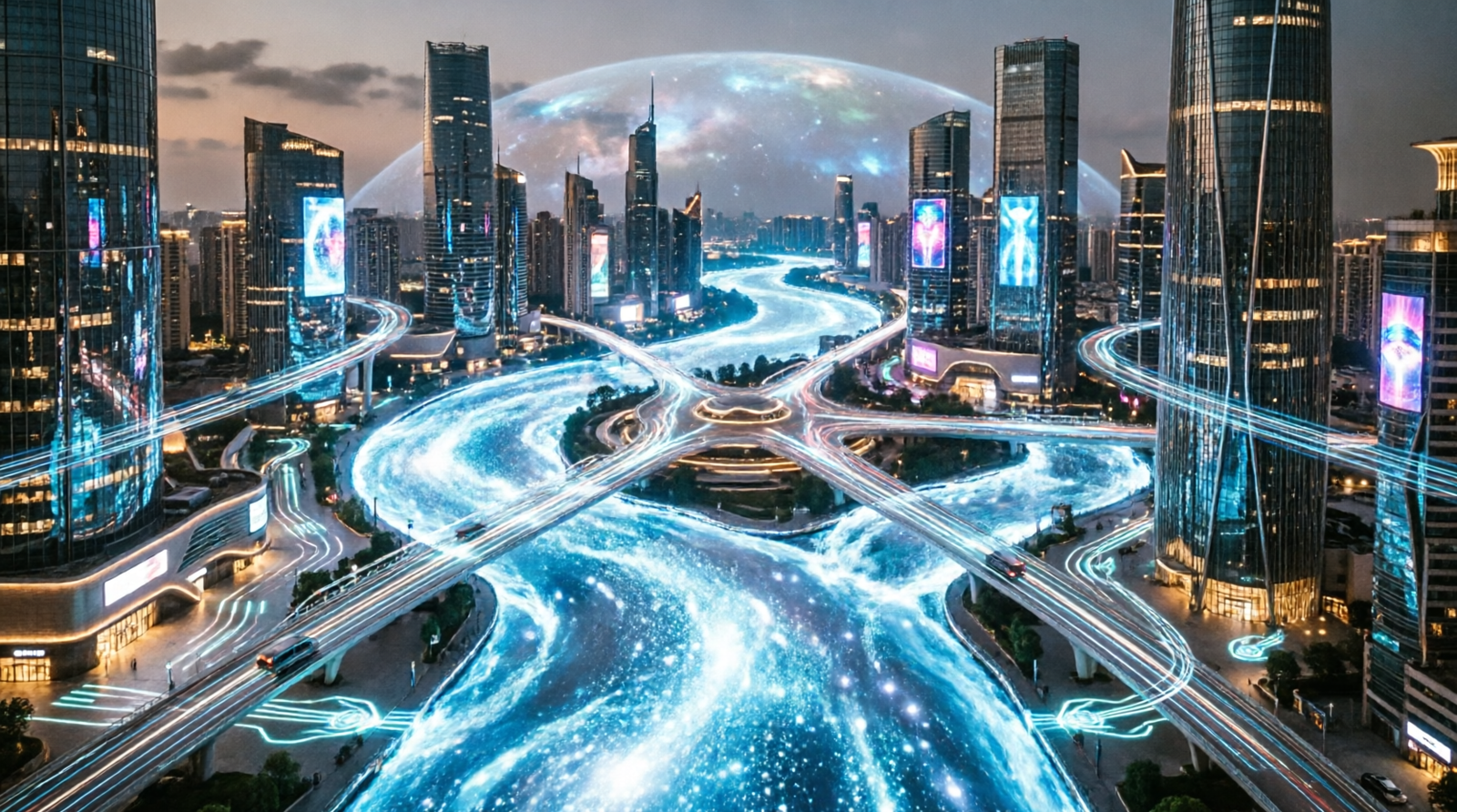
Metaphor for Transport 60 Creative Examples
Transport is more than simply moving people or things from one place to another. In language transportation can also represent progress change connection freedom discovery or life’s journey. That is why people search for a metaphor for transport when they need a creative way to describe travel movement cars roads trains ships or the idea of being carried toward a destination.
A good metaphor makes ordinary transport sound more interesting. Instead of saying The train moved quickly you might say The train was a silver arrow. Instead of saying that a car helped someone move through life you could call it a bridge to freedom.
These expressions appear in stories poems school assignments speeches advertisements movies and everyday conversation. They can describe real transportation or use transport as a symbol for something bigger.
This guide, updated for 2026 explains what a metaphor for transport is and gives you more than 60 useful examples. You will learn each metaphor’s meaning see it used in a sentence, understand when it works best and discover alternative expressions you can use in your own writing and speech.
Definition & Meaning

A metaphor for transport compares transportation, travel, movement, or a vehicle with something else to create a stronger image or deeper meaning. It does not use the words “like” or “as.” A transport metaphor may describe physical travel or symbolize progress, change, connection, freedom, or life’s direction.
In simple English, a metaphor says that one thing is another thing, even though that is not literally true.
For example:
- The road is a ribbon.
- The train is a silver snake.
- The bus is a moving classroom.
- A bicycle is a key to freedom.
A road is not really a ribbon, and a train is not really a snake. However, these comparisons help the reader imagine their shape, movement, or purpose.
Simple Definition
A metaphor for transport is a creative comparison used to describe:
- Cars
- Buses
- Trains
- Ships
- Airplanes
- Bicycles
- Roads
- Journeys
- Travel
- Movement from place to place
Transport metaphors can also describe abstract ideas. For example, “Life is a journey” uses transportation and travel to explain life.
Summary Table
| Part | Simple Meaning |
|---|---|
| Transport | Moving people or things |
| Metaphor | A comparison without “like” or “as” |
| Transport metaphor | A creative comparison about travel or movement |
| Literal use | Describes real vehicles or travel |
| Symbolic use | Represents life, progress, freedom, or change |
| Example | “The road is a ribbon through the hills.” |
Quick Tip: A strong metaphor usually creates a clear picture in the reader’s mind.
Why We Use Metaphors for Transport
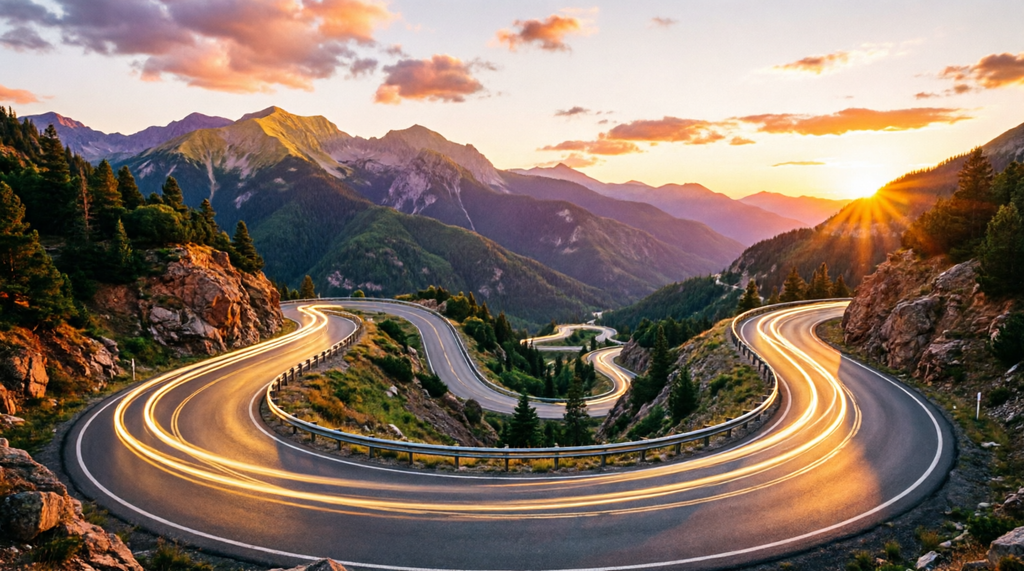
We use metaphors for transport because movement is easy to understand and easy to imagine. Roads, vehicles, journeys, and destinations can help people explain ideas such as progress, freedom, relationships, success, change, and life’s direction in a simple and memorable way.
Transport is part of everyday life. Most people understand what it means to:
- Start a journey
- Choose a direction
- Get lost
- Reach a destination
- Take a shortcut
- Miss a train
- Hit a roadblock
Because these experiences are familiar, transport language makes difficult ideas easier to explain.
In Everyday Conversation
People often use travel language without thinking of it as figurative language.
For example:
- We’re moving in the right direction.
- My career is at a crossroads.
- That idea is going nowhere.
- She’s on the fast track to success.
These expressions use movement to explain life and progress.
In Writing
Writers use transport metaphors to create strong images.
Compare:
Plain: The car moved quickly down the road.
Metaphorical: The car was a bullet racing down the road.
The second sentence feels faster and more exciting.
In Speaking
Metaphors can make speeches easier to remember.
For example:
“Education is a vehicle that can carry us toward a better future.”
This is more memorable than saying:
“Education can help people improve their future.”
In School
Students can use transport metaphors in:
- Essays
- Stories
- Poems
- Creative writing
- Descriptive paragraphs
- Speeches
On Social Media
Short metaphors work well in captions and posts:
- Chasing horizons.
- Life is an open road.
- My bike, my freedom.
- Taking the scenic route through life.
In Professional Communication
Transport metaphors can also appear in business:
- Our strategy is a roadmap.
- The company is on the right track.
- This project needs a clear direction.
- We hit a roadblock.
Use them carefully in very formal documents. A clear metaphor can help, but too many can make professional writing confusing.
Quick Takeaways
A metaphor for transport can help you:
- Create strong mental pictures
- Explain difficult ideas
- Make writing more emotional
- Add creativity to stories
- Make speeches memorable
- Describe movement in an interesting way
- Symbolize progress and change
From real-life conversations: transport metaphors are especially common because almost everyone understands roads, journeys, vehicles, and destinations.
Main Section: 60+ Metaphors for Transport
The best metaphors for transport describe how vehicles move, what journeys feel like, or what transportation represents. Some focus on speed and shape, while others represent freedom, progress, connection, direction, and change. The right metaphor depends on your situation and tone.
Below are more than 60 unique examples.
The Road Is a Ribbon
Meaning: A long road can look like a ribbon stretching across the land.
Real explanation: This metaphor focuses on the road’s long, narrow, winding shape.
Sample sentence: The road was a gray ribbon winding through the green hills.
When to use it: Descriptive writing, stories, travel writing, and poetry.
When NOT to use it: Technical directions or formal road reports.
Alternative expressions:
- A winding line
- A ribbon of asphalt
- A path through the land
Difficulty level: Easy
Tone: Neutral
The Road Is a River
Meaning: The road carries a flowing stream of vehicles.
Real explanation: Cars move along a road in the same way water moves along a river.
Sample sentence: During rush hour, the highway became a river of headlights.
When to use it: Traffic descriptions and creative writing.
When NOT to use it: When traffic is completely stopped.
Alternative expressions:
- A stream of cars
- A flow of traffic
- A moving current
Difficulty level: Easy
Tone: Neutral
The Highway Is a River of Steel
Meaning: A busy highway is full of metal vehicles moving together.
Real explanation: Cars appear like a flowing river made from steel.
Sample sentence: At sunset, the highway became a river of steel and red lights.
When to use it: Descriptive and dramatic writing.
When NOT to use it: Very simple writing for young children.
Alternative expressions:
- A metal river
- A stream of machines
- A current of cars
Difficulty level: Medium
Tone: Formal
The Train Is a Silver Snake
Meaning: A long train moves and bends like a snake.
Real explanation: This metaphor works especially well when a train travels around curves.
Sample sentence: The silver snake curled around the mountain track.
When to use it: Stories, poetry, and travel descriptions.
When NOT to use it: Technical train information.
Alternative expressions:
- A metal serpent
- A winding machine
- A steel snake
Difficulty level: Easy
Tone: Neutral
The Train Is an Iron Horse
Meaning: A train is compared with a powerful horse made of iron.
Real explanation: This traditional expression highlights the train’s power and ability to carry people over long distances.
Sample sentence: The iron horse thundered across the open plains.
When to use it: Historical, dramatic, or literary writing.
When NOT to use it: When modern casual language is needed.
Alternative expressions:
- A steel beast
- A powerful machine
- A metal giant
Difficulty level: Medium
Tone: Formal
The Train Is a Moving City
Meaning: A large train carries many people and activities together.
Real explanation: Long-distance trains can feel like small communities on wheels.
Sample sentence: For twelve hours, the train became a moving city filled with strangers.
When to use it: Travel writing and personal stories.
When NOT to use it: When describing a very small train.
Alternative expressions:
- A city on wheels
- A traveling community
- A moving world
Difficulty level: Easy
Tone: Neutral
The Car Is a Bullet
Meaning: The car moves extremely fast.
Real explanation: A bullet is associated with speed and direct movement.
Sample sentence: The sports car was a bullet on the empty highway.
When to use it: Fiction and dramatic descriptions.
When NOT to use it: Safety campaigns or descriptions of normal driving.
Alternative expressions:
- A rocket
- A speeding machine
- A flash on wheels
Difficulty level: Easy
Tone: Informal
The Car Is a Metal Beast
Meaning: A large or powerful vehicle seems strong and animal-like.
Real explanation: The metaphor gives the vehicle personality and power.
Sample sentence: His old truck was a metal beast that refused to quit.
When to use it: Casual descriptions and creative writing.
When NOT to use it: Formal business communication.
Alternative expressions:
- A steel monster
- A mechanical beast
- A powerful machine
Difficulty level: Easy
Tone: Informal
The Car Is a Rolling Fortress
Meaning: A car feels safe and protective.
Real explanation: The vehicle creates a private space that protects passengers from the outside world.
Sample sentence: During the storm, their SUV felt like a rolling fortress.
When to use it: Descriptive writing.
When NOT to use it: When discussing actual military defense.
Alternative expressions:
- A moving shelter
- A safe shell
- A traveling refuge
Difficulty level: Medium
Tone: Neutral
The Car Is a Freedom Machine
Meaning: A car gives a person independence and mobility.
Real explanation: For many people, driving means being able to go where they want.
Sample sentence: At sixteen, her first car felt like a freedom machine.
When to use it: Personal stories and casual writing.
When NOT to use it: Highly formal reports.
Alternative expressions:
- A key to freedom
- A vehicle of independence
- A ticket to adventure
Difficulty level: Easy
Tone: Informal
The Bicycle Is a Pair of Wings
Meaning: A bicycle gives a feeling of freedom and light movement.
Real explanation: Riding a bike can make a person feel free, fast, and independent.
Sample sentence: His bicycle was a pair of wings in a crowded city.
When to use it: Poetry and inspirational writing.
When NOT to use it: Literal technical writing.
Alternative expressions:
- Wings on wheels
- A freedom machine
- A path to independence
Difficulty level: Easy
Tone: Neutral
The Bicycle Is a Freedom Key
Meaning: A bicycle opens new opportunities for movement.
Real explanation: Like a key opening a door, a bicycle can give someone access to places.
Sample sentence: For the young student, the bicycle was a key to freedom.
When to use it: Inspirational and personal writing.
When NOT to use it: Mechanical instructions.
Alternative expressions:
- A key to independence
- A ticket to freedom
- An open door
Difficulty level: Easy
Tone: Neutral
The Bus Is a Moving Classroom
Meaning: People can learn and interact while traveling together.
Real explanation: School buses and public buses bring different people together and create shared experiences.
Sample sentence: Every morning, the school bus became a moving classroom of stories and jokes.
When to use it: School writing and personal stories.
When NOT to use it: Formal transportation research.
Alternative expressions:
- A classroom on wheels
- A traveling community
- A moving meeting place
Difficulty level: Easy
Tone: Informal
The Bus Is a Rolling Neighborhood
Meaning: A bus brings together many people from different places.
Real explanation: Regular passengers may begin to recognize one another.
Sample sentence: After months of commuting, the bus felt like a rolling neighborhood.
When to use it: Human-interest writing.
When NOT to use it: When describing an empty bus.
Alternative expressions:
- A moving community
- A traveling neighborhood
- A shared space
Difficulty level: Easy
Tone: Neutral
The Bus Is a Lifeline
Meaning: A bus provides an important connection to work, school, or services.
Real explanation: Without transportation, some people may struggle to reach necessary places.
Sample sentence: For many residents, the morning bus is a lifeline to the city.
When to use it: Social issues and serious writing.
When NOT to use it: When the bus is not essential.
Alternative expressions:
- A vital connection
- A link to opportunity
- A bridge to daily life
Difficulty level: Easy
Tone: Formal
The Airplane Is a Bird
Meaning: An airplane flies through the sky like a bird.
Real explanation: Both have wings and move through the air.
Sample sentence: The airplane was a giant bird disappearing into the clouds.
When to use it: Children’s writing and simple descriptions.
When NOT to use it: Technical aviation writing.
Alternative expressions:
- A bird of steel
- A sky traveler
- A winged machine
Difficulty level: Easy
Tone: Neutral
The Airplane Is a Metal Bird
Meaning: An airplane is a large flying object with wings.
Real explanation: This common metaphor combines the bird’s shape with the airplane’s material.
Sample sentence: A metal bird crossed the bright morning sky.
When to use it: Poetry and descriptive writing.
When NOT to use it: Aviation manuals.
Alternative expressions:
- A steel bird
- A machine with wings
- A bird of aluminum
Difficulty level: Easy
Tone: Neutral
The Airplane Is a Sky Arrow
Meaning: The airplane moves quickly and directly through the sky.
Real explanation: An arrow suggests speed and direction.
Sample sentence: The jet became a sky arrow heading west.
When to use it: Fiction and travel writing.
When NOT to use it: Slow or stationary aircraft.
Alternative expressions:
- A flying arrow
- A streak in the sky
- A sky rocket
Difficulty level: Easy
Tone: Neutral
The Airport Is a Gateway to the World
Meaning: An airport connects people with distant places.
Real explanation: It acts as an entrance to international travel.
Sample sentence: For the young traveler, the airport was a gateway to the world.
When to use it: Travel writing and speeches.
When NOT to use it: Very narrow descriptions of airport facilities.
Alternative expressions:
- A door to the world
- A global gateway
- A doorway to adventure
Difficulty level: Easy
Tone: Formal
The Ship Is a Floating City
Meaning: A large ship contains many people, rooms, and services.
Real explanation: Cruise ships can feel similar to small cities.
Sample sentence: The cruise ship was a floating city on the blue ocean.
When to use it: Travel descriptions.
When NOT to use it: Small boats.
Alternative expressions:
- A city at sea
- A floating world
- A traveling city
Difficulty level: Easy
Tone: Neutral
The Ship Is a Sea Castle
Meaning: A large ship appears grand and strong on the ocean.
Real explanation: A castle suggests size, strength, and importance.
Sample sentence: The sea castle sailed slowly toward the horizon.
When to use it: Poetry and children’s stories.
When NOT to use it: Technical writing.
Alternative expressions:
- A floating fortress
- An ocean giant
- A castle on water
Difficulty level: Medium
Tone: Literary
The Ship Is a Floating Home
Meaning: People live, sleep, and spend long periods on the ship.
Real explanation: A ship can become a temporary home during a long journey.
Sample sentence: For the crew, the ship was more than a workplace; it was a floating home.
When to use it: Personal stories and travel writing.
When NOT to use it: Short trips.
Alternative expressions:
- A home at sea
- A moving home
- A home on water
Difficulty level: Easy
Tone: Neutral
The Ocean Is a Highway
Meaning: Ships use the ocean as vehicles use roads.
Real explanation: Shipping routes connect countries across water.
Sample sentence: For centuries, the ocean has been a highway between continents.
When to use it: Educational and historical writing.
When NOT to use it: Small ponds or lakes.
Alternative expressions:
- A waterway
- A sea route
- A blue road
Difficulty level: Easy
Tone: Formal
The Sea Is a Blue Road
Meaning: The sea acts as a route for travel.
Real explanation: The metaphor combines the color of water with the function of a road.
Sample sentence: The sailors followed the blue road toward a distant island.
When to use it: Poetry and stories.
When NOT to use it: Formal geography.
Alternative expressions:
- A watery highway
- An ocean route
- A road of water
Difficulty level: Easy
Tone: Literary
The Journey Is a Bridge
Meaning: Travel connects one stage or place with another.
Real explanation: A bridge joins two separate points.
Sample sentence: Her journey abroad became a bridge between her old life and her new one.
When to use it: Personal and inspirational writing.
When NOT to use it: Very literal travel schedules.
Alternative expressions:
- A connection
- A link between worlds
- A path between stages
Difficulty level: Medium
Tone: Neutral
Transport Is a Bridge to Opportunity
Meaning: Transportation helps people reach education, work, and other opportunities.
Real explanation: Without access to transport, people may be physically separated from important services.
Sample sentence: Reliable public transport is a bridge to opportunity.
When to use it: Essays, speeches, and professional writing.
When NOT to use it: Casual jokes.
Alternative expressions:
- A link to opportunity
- A path to success
- A connection to possibility
Difficulty level: Easy
Tone: Formal
The Journey Is a Teacher
Meaning: Travel teaches people through experience.
Real explanation: People often learn new ideas, skills, and perspectives while traveling.
Sample sentence: The journey was a teacher that changed how she saw the world.
When to use it: Reflective writing.
When NOT to use it: Technical transport reports.
Alternative expressions:
- A learning experience
- A lesson on the road
- A guide through experience
Difficulty level: Easy
Tone: Neutral
The Journey Is a Story
Meaning: A trip has events, challenges, and memorable moments.
Real explanation: Every journey can have a beginning, middle, and end.
Sample sentence: Their road trip was a story filled with surprises.
When to use it: Travel blogs and personal writing.
When NOT to use it: Formal schedules.
Alternative expressions:
- An adventure
- A chapter
- A tale in motion
Difficulty level: Easy
Tone: Neutral
Life Is a Journey
Meaning: Life is compared with traveling from one destination to another.
Real explanation: People experience beginnings, changes, problems, choices, and goals throughout life.
Sample sentence: Life is a journey, and every decision changes the route.
When to use it: Speeches, inspiration, and reflective writing.
When NOT to use it: When you need a fresh and highly original metaphor.
Alternative expressions:
- Life is a road
- Life is an adventure
- Life is a voyage
Difficulty level: Easy
Tone: Neutral
Life Is an Open Road
Meaning: Life contains freedom and many possible directions.
Real explanation: An open road suggests adventure and possibility.
Sample sentence: After graduation, life felt like an open road.
When to use it: Inspirational writing.
When NOT to use it: When discussing a limited or difficult situation.
Alternative expressions:
- A world of possibilities
- An open path
- A road ahead
Difficulty level: Easy
Tone: Informal
Life Is a Voyage
Meaning: Life is a long journey full of discovery.
Real explanation: A voyage often suggests a long trip with unexpected experiences.
Sample sentence: Life is a voyage with calm seas and rough storms.
When to use it: Poetry and formal speeches.
When NOT to use it: Very casual texting.
Alternative expressions:
- A journey
- An adventure
- A long expedition
Difficulty level: Medium
Tone: Formal
The Future Is a Destination
Meaning: The future is something we move toward.
Real explanation: Goals can feel like places we are trying to reach.
Sample sentence: The future is a destination built by today’s choices.
When to use it: Motivational writing.
When NOT to use it: When discussing a fixed future as a certainty.
Alternative expressions:
- A goal ahead
- A place to reach
- A point on the horizon
Difficulty level: Easy
Tone: Neutral
A Goal Is a Destination
Meaning: A goal is the place you want to reach.
Real explanation: This metaphor helps explain planning and achievement.
Sample sentence: Every successful plan begins by knowing the destination.
When to use it: Business, school, and motivation.
When NOT to use it: When goals change constantly.
Alternative expressions:
- A target
- An endpoint
- A finish line
Difficulty level: Easy
Tone: Neutral
A Plan Is a Roadmap
Meaning: A plan shows the direction toward a goal.
Real explanation: A roadmap helps travelers find their way.
Sample sentence: Our business plan is a roadmap for the next five years.
When to use it: Business and professional communication.
When NOT to use it: When no actual direction is provided.
Alternative expressions:
- A guide
- A route
- A blueprint
Difficulty level: Easy
Tone: Formal
Progress Is a Road
Meaning: Progress happens step by step over time.
Real explanation: Like traveling along a road, progress often takes time.
Sample sentence: Recovery is a road with many turns.
When to use it: Inspirational writing.
When NOT to use it: When you need very precise language.
Alternative expressions:
- A path forward
- A journey of growth
- A route to improvement
Difficulty level: Easy
Tone: Neutral
Success Is a Road
Meaning: Success is something a person travels toward.
Real explanation: The road may include obstacles and different directions.
Sample sentence: Success is a road, not a single step.
When to use it: Motivational writing.
When NOT to use it: When discussing instant results.
Alternative expressions:
- A path to success
- A journey upward
- A route to achievement
Difficulty level: Easy
Tone: Neutral
A Problem Is a Roadblock
Meaning: A problem prevents progress.
Real explanation: A roadblock physically stops vehicles from moving forward.
Sample sentence: Lack of funding became a roadblock for the project.
When to use it: Business, school, and conversation.
When NOT to use it: When the problem is minor and easily ignored.
Alternative expressions:
- An obstacle
- A barrier
- A setback
Difficulty level: Easy
Tone: Neutral
A Decision Is a Crossroads
Meaning: A person must choose between different directions.
Real explanation: At a crossroads, roads lead in more than one direction.
Sample sentence: Choosing a college was a major crossroads in his life.
When to use it: Life decisions and storytelling.
When NOT to use it: Small, unimportant choices.
Alternative expressions:
- A turning point
- A major choice
- A fork in the road
Difficulty level: Easy
Tone: Neutral
Opportunity Is a Train
Meaning: An opportunity arrives and may leave if you do not act.
Real explanation: Missing a train means losing a chance to travel.
Sample sentence: She knew the job offer was a train she did not want to miss.
When to use it: Motivational conversation.
When NOT to use it: When opportunities remain available indefinitely.
Alternative expressions:
- A chance to catch
- An open door
- A moment to act
Difficulty level: Medium
Tone: Informal
Time Is a Train
Meaning: Time moves forward and does not wait.
Real explanation: A train continues toward its destination.
Sample sentence: Time is a train that never stops for anyone.
When to use it: Poetry and reflective writing.
When NOT to use it: Formal scientific writing.
Alternative expressions:
- Time is a river
- Time keeps moving
- Time is a journey
Difficulty level: Easy
Tone: Literary
The Past Is a Station
Meaning: The past is a place where you have already stopped.
Real explanation: A train station represents a point that has been reached and left behind.
Sample sentence: The past is a station, not the final destination.
When to use it: Inspirational writing.
When NOT to use it: Formal academic writing.
Alternative expressions:
- A chapter behind you
- A place you left
- A previous stop
Difficulty level: Medium
Tone: Neutral
Change Is a Train Ride
Meaning: Change can move quickly and feel difficult to control.
Real explanation: Passengers often move with the train rather than controlling its direction.
Sample sentence: Moving to a new city felt like a train ride into the unknown.
When to use it: Personal stories.
When NOT to use it: When describing slow change.
Alternative expressions:
- A journey into change
- A ride into the unknown
- A moving transition
Difficulty level: Easy
Tone: Neutral
The City Is a Living Machine
Meaning: A city works through the movement of people, vehicles, and systems.
Real explanation: Roads, buses, trains, and people all work together.
Sample sentence: At rush hour, the city became a living machine.
When to use it: Descriptive essays.
When NOT to use it: When describing a quiet rural area.
Alternative expressions:
- A moving machine
- A living system
- A giant engine
Difficulty level: Medium
Tone: Neutral
Traffic Is a River
Meaning: Traffic flows in one direction like water.
Real explanation: Many vehicles move together in streams.
Sample sentence: Traffic flowed like a river toward downtown.
When to use it: Everyday and descriptive writing.
When NOT to use it: Gridlocked traffic.
Alternative expressions:
- A stream of cars
- A flowing current
- A moving river
Difficulty level: Easy
Tone: Neutral
Traffic Is a Frozen River
Meaning: Traffic has stopped completely.
Real explanation: A frozen river does not flow.
Sample sentence: After the accident, the highway became a frozen river of cars.
When to use it: Creative descriptions.
When NOT to use it: Simple traffic reports.
Alternative expressions:
- Gridlocked traffic
- A wall of cars
- A stopped stream
Difficulty level: Medium
Tone: Neutral
The Highway Is an Artery
Meaning: A highway is an important route that keeps an area active.
Real explanation: Arteries carry blood through the body. Highways carry people and goods through regions.
Sample sentence: The highway is an economic artery connecting the two cities.
When to use it: Formal and educational writing.
When NOT to use it: Children’s creative writing.
Alternative expressions:
- A major lifeline
- A vital route
- A main connection
Difficulty level: Medium
Tone: Formal
Roads Are the Veins of a City
Meaning: Roads connect different parts of a city.
Real explanation: Veins carry blood through the body, while roads carry people and vehicles.
Sample sentence: Roads are the veins of a city, carrying life through every neighborhood.
When to use it: Essays and speeches.
When NOT to use it: Technical engineering documents.
Alternative expressions:
- The city’s arteries
- A network of connections
- The city’s circulation system
Difficulty level: Medium
Tone: Formal
Public Transport Is the City’s Heartbeat
Meaning: Buses and trains keep the city active.
Real explanation: A heartbeat represents life and continuous movement.
Sample sentence: The morning subway is part of the city’s heartbeat.
When to use it: Journalism and descriptive writing.
When NOT to use it: Very technical documents.
Alternative expressions:
- The pulse of the city
- The city’s lifeline
- The rhythm of urban life
Difficulty level: Medium
Tone: Neutral
The Subway Is an Underground River
Meaning: Subway trains flow beneath the city.
Real explanation: People move underground in continuous streams.
Sample sentence: Beneath the streets, the subway was an underground river of commuters.
When to use it: Urban writing.
When NOT to use it: When describing a subway station only.
Alternative expressions:
- A hidden river
- An underground stream
- A tunnel of movement
Difficulty level: Medium
Tone: Neutral
The Railway Is a Steel Spine
Meaning: The railway provides strong support and connection.
Real explanation: A spine supports the body, while a railway can support a transportation network.
Sample sentence: The railway became the steel spine of the region’s transport system.
When to use it: Formal and descriptive writing.
When NOT to use it: Casual conversation.
Alternative expressions:
- The backbone of transport
- A central connection
- A vital network
Difficulty level: Medium
Tone: Formal
Transport Is the Backbone of Society
Meaning: Transportation supports many important activities.
Real explanation: A backbone supports the body. Transport supports work, trade, education, and daily life.
Sample sentence: Reliable transport is the backbone of a growing economy.
When to use it: Essays and professional writing.
When NOT to use it: Casual jokes.
Alternative expressions:
- A vital foundation
- An essential support system
- A key infrastructure network
Difficulty level: Easy
Tone: Formal
A Vehicle Is a Time Machine
Meaning: A vehicle can quickly take you far from where you were before.
Real explanation: Travel can create a strong feeling of leaving one moment behind and entering another.
Sample sentence: The old train was a time machine carrying him back to childhood memories.
When to use it: Reflective and creative writing.
When NOT to use it: Literal scientific discussion.
Alternative expressions:
- A machine of memories
- A trip through time
- A moving memory
Difficulty level: Medium
Tone: Literary
The Car Is a Second Home
Meaning: A person spends a lot of time in their car.
Real explanation: Commuters may eat, talk, listen to music, and rest in their vehicles.
Sample sentence: With her long commute, the car had become a second home.
When to use it: Everyday conversation.
When NOT to use it: Formal writing.
Alternative expressions:
- A home on wheels
- A personal space
- A moving room
Difficulty level: Easy
Tone: Informal
The Road Is a Classroom
Meaning: Traveling teaches people through experience.
Real explanation: New places and people can teach lessons outside a traditional school.
Sample sentence: For him, the road was a classroom with no walls.
When to use it: Travel writing.
When NOT to use it: Formal school reports.
Alternative expressions:
- A teacher
- A place of learning
- A school of experience
Difficulty level: Easy
Tone: Neutral
Travel Is a Window
Meaning: Travel helps people see new ideas and cultures.
Real explanation: A window allows us to see beyond our immediate space.
Sample sentence: Travel is a window into other ways of life.
When to use it: Educational writing.
When NOT to use it: Literal transport instructions.
Alternative expressions:
- A new perspective
- A view into the world
- An opening to new ideas
Difficulty level: Easy
Tone: Neutral
Travel Is a Doorway
Meaning: Travel opens access to new experiences.
Real explanation: A doorway leads from one space into another.
Sample sentence: Travel became a doorway to experiences she had never imagined.
When to use it: Inspirational writing.
When NOT to use it: Very technical content.
Alternative expressions:
- An open door
- A gateway
- An entrance to discovery
Difficulty level: Easy
Tone: Neutral
A Journey Is a Ladder
Meaning: A journey can help a person move upward through stages.
Real explanation: Each stage can represent another step toward growth.
Sample sentence: Education was the ladder that carried him toward a new future.
When to use it: Inspirational writing.
When NOT to use it: Literal travel descriptions.
Alternative expressions:
- A path upward
- A step toward success
- A route to growth
Difficulty level: Medium
Tone: Neutral
The Road Ahead Is a Blank Page
Meaning: The future has not yet been written.
Real explanation: An unknown road and a blank page both represent possibility.
Sample sentence: After graduation, the road ahead was a blank page.
When to use it: Personal and inspirational writing.
When NOT to use it: When the future is already planned in detail.
Alternative expressions:
- An unwritten future
- An open road
- A new chapter
Difficulty level: Easy
Tone: Neutral
The Road Is a Thread
Meaning: A road connects separate places together.
Real explanation: A thread can join pieces of fabric.
Sample sentence: The narrow road was a thread connecting the small villages.
When to use it: Poetry and descriptive writing.
When NOT to use it: Technical mapping.
Alternative expressions:
- A connecting line
- A link through the land
- A path of connection
Difficulty level: Medium
Tone: Literary
The Bridge Is a Handshake
Meaning: A bridge connects two separate places or groups.
Real explanation: A handshake represents connection and cooperation.
Sample sentence: The new bridge was a handshake between the two communities.
When to use it: Speeches and creative writing.
When NOT to use it: Engineering instructions.
Alternative expressions:
- A connection
- A link
- A meeting point
Difficulty level: Medium
Tone: Neutral
The Bridge Is a Promise
Meaning: A bridge represents the hope of connection.
Real explanation: It promises that people can cross from one side to another.
Sample sentence: To the isolated village, the bridge was a promise of connection.
When to use it: Emotional writing.
When NOT to use it: Technical construction reports.
Alternative expressions:
- A symbol of hope
- A connection
- A path forward
Difficulty level: Medium
Tone: Literary
A Route Is a Lifeline
Meaning: A transport route provides an essential connection.
Real explanation: The route may bring food, medicine, workers, or services.
Sample sentence: During winter, the mountain road was the village’s only lifeline.
When to use it: Serious news or social writing.
When NOT to use it: When the route is not important.
Alternative expressions:
- A vital connection
- An essential route
- A survival link
Difficulty level: Easy
Tone: Formal
The Driver Is a Captain
Meaning: A driver guides passengers toward a destination.
Real explanation: A captain controls and directs a ship, while a driver directs a vehicle.
Sample sentence: Dad became the captain of our road-trip adventure.
When to use it: Casual stories.
When NOT to use it: Formal professional titles.
Alternative expressions:
- The guide
- The person in control
- The leader of the journey
Difficulty level: Easy
Tone: Informal
The Driver Is a Navigator
Meaning: The driver guides the journey.
Real explanation: A navigator finds and follows the correct direction.
Sample sentence: On our trip, Maria was the navigator of our adventure.
When to use it: Casual travel writing.
When NOT to use it: When someone else actually handles navigation.
Alternative expressions:
- The guide
- The pathfinder
- The route leader
Difficulty level: Easy
Tone: Neutral
Passengers Are Fellow Travelers
Meaning: People sharing a journey also share an experience.
Real explanation: The phrase can describe actual passengers or people sharing a life experience.
Sample sentence: On the long train ride, strangers became fellow travelers.
When to use it: Reflective writing.
When NOT to use it: Very casual texting.
Alternative expressions:
- Travel companions
- Journey partners
- Companions on the road
Difficulty level: Medium
Tone: Formal
A Companion Is a Co-Pilot
Meaning: Someone helps you through a journey or experience.
Real explanation: A co-pilot assists the pilot and shares responsibility.
Sample sentence: My best friend has been my co-pilot through every major change.
When to use it: Friendly conversation.
When NOT to use it: Highly formal writing.
Alternative expressions:
- A trusted partner
- A companion
- A teammate
Difficulty level: Easy
Tone: Informal
Love Is a Journey Together
Meaning: A relationship develops through shared experiences.
Real explanation: Two people move through different stages together.
Sample sentence: Their relationship was a journey with unexpected turns.
When to use it: Romantic and reflective writing.
When NOT to use it: When you want a completely literal description.
Alternative expressions:
- A shared adventure
- A road together
- A voyage as partners
Difficulty level: Easy
Tone: Neutral
A Relationship Is a Vehicle
Meaning: A relationship can carry people toward a shared future.
Real explanation: Both people must help guide and maintain the relationship.
Sample sentence: Trust is the engine that keeps a relationship moving.
When to use it: Advice and reflective writing.
When NOT to use it: Very formal academic work without explanation.
Alternative expressions:
- A shared journey
- A partnership
- A road together
Difficulty level: Medium
Tone: Neutral
Trust Is the Engine
Meaning: Trust provides the power that keeps a relationship or group moving.
Real explanation: Without an engine, many vehicles cannot move.
Sample sentence: Trust is the engine of a strong team.
When to use it: Business and relationship writing.
When NOT to use it: When another metaphor is already dominant and confusing.
Alternative expressions:
- The driving force
- The foundation
- The power behind success
Difficulty level: Easy
Tone: Neutral
Teamwork Is the Vehicle
Meaning: Teamwork carries a group toward a shared goal.
Real explanation: A vehicle helps passengers reach a destination.
Sample sentence: Teamwork was the vehicle that carried the project to success.
When to use it: Workplace and school writing.
When NOT to use it: When teamwork did not contribute to the result.
Alternative expressions:
- The driving force
- The path to success
- The engine of progress
Difficulty level: Medium
Tone: Formal
Knowledge Is a Vehicle
Meaning: Knowledge helps a person move toward goals.
Real explanation: Education and knowledge can carry people into new opportunities.
Sample sentence: Knowledge is a vehicle that can carry you beyond your starting point.
When to use it: Educational writing and speeches.
When NOT to use it: Highly technical definitions.
Alternative expressions:
- A tool for progress
- A path to opportunity
- A key to growth
Difficulty level: Easy
Tone: Formal
Education Is a Train to Opportunity
Meaning: Education can move people toward better opportunities.
Real explanation: The train represents forward movement toward a destination.
Sample sentence: For many students, education is a train to opportunity.
When to use it: Inspirational speeches.
When NOT to use it: When discussing education with extreme precision.
Alternative expressions:
- A path to opportunity
- A bridge to the future
- A vehicle for growth
Difficulty level: Easy
Tone: Neutral
Hope Is a Compass
Meaning: Hope gives people direction.
Real explanation: A compass helps travelers know where to go.
Sample sentence: During difficult times, hope was her compass.
When to use it: Inspirational writing.
When NOT to use it: Literal navigation instructions.
Alternative expressions:
- A guide
- A source of direction
- A light ahead
Difficulty level: Easy
Tone: Neutral
Dreams Are a Destination
Meaning: Dreams are goals that people move toward.
Real explanation: A destination gives a journey purpose.
Sample sentence: Dreams are destinations that give our efforts direction.
When to use it: Motivation and speeches.
When NOT to use it: When dreams are meant to remain abstract.
Alternative expressions:
- Goals ahead
- Places to reach
- Future targets
Difficulty level: Easy
Tone: Neutral
Failure Is a Detour
Meaning: Failure may change your path without ending your journey.
Real explanation: A detour takes travelers in a different direction.
Sample sentence: Losing the job was a detour, not the end of his journey.
When to use it: Encouragement and motivation.
When NOT to use it: When failure caused permanent harm.
Alternative expressions:
- A setback
- A different route
- A temporary delay
Difficulty level: Easy
Tone: Neutral
A Mistake Is a Wrong Turn
Meaning: A mistake takes you away from the desired direction.
Real explanation: A wrong turn can be corrected by changing direction.
Sample sentence: The bad decision was a wrong turn, but she found her way again.
When to use it: Advice and conversation.
When NOT to use it: Very serious situations where the metaphor seems to minimize harm.
Alternative expressions:
- A misstep
- A poor choice
- A temporary mistake
Difficulty level: Easy
Tone: Neutral
Recovery Is a Road Home
Meaning: Recovery is a process of returning to stability.
Real explanation: Going home often represents safety and comfort.
Sample sentence: Recovery became a long road home.
When to use it: Reflective writing.
When NOT to use it: Casual jokes about serious struggles.
Alternative expressions:
- A path back
- A return journey
- A way toward stability
Difficulty level: Medium
Tone: Neutral
An Idea Is a Vehicle
Meaning: An idea can carry a message from one person to another.
Real explanation: Communication moves ideas between minds.
Sample sentence: A good story is a vehicle for a powerful idea.
When to use it: Writing and communication discussions.
When NOT to use it: When simpler language is better.
Alternative expressions:
- A message carrier
- A tool for communication
- A way to share ideas
Difficulty level: Medium
Tone: Formal
A Story Is a Vehicle to Another World
Meaning: Stories mentally transport readers to new places and experiences.
Real explanation: Reading can create the feeling of traveling without physically moving.
Sample sentence: A great novel is a vehicle to another world.
When to use it: Literary writing.
When NOT to use it: Technical reviews.
Alternative expressions:
- A doorway to another world
- A mental journey
- A path into imagination
Difficulty level: Easy
Tone: Neutral
Imagination Is a Flying Machine
Meaning: Imagination can take the mind anywhere.
Real explanation: Unlike physical transport, imagination has no physical limits.
Sample sentence: Imagination is a flying machine with no airport and no tickets.
When to use it: Children’s writing and creativity.
When NOT to use it: Formal scientific writing.
Alternative expressions:
- Wings of the mind
- A mental journey
- A vehicle of creativity
Difficulty level: Easy
Tone: Informal
Quick Reference Table
A quick comparison can help you choose the best metaphor for transport based on meaning, tone, and situation. Use physical vehicle metaphors for descriptive writing and symbolic journey metaphors when discussing life, goals, progress, relationships, or change.
| Metaphor | Main Idea | Best Use | Tone |
|---|---|---|---|
| Road is a ribbon | Shape | Description | Neutral |
| Road is a river | Flow | Traffic/travel | Neutral |
| Highway is a river of steel | Heavy traffic | Creative writing | Formal |
| Train is a silver snake | Shape and movement | Stories | Neutral |
| Train is an iron horse | Power | Historical writing | Formal |
| Train is a moving city | Many people | Travel writing | Neutral |
| Car is a bullet | Speed | Fiction | Informal |
| Car is a metal beast | Power | Creative writing | Informal |
| Car is a rolling fortress | Safety | Description | Neutral |
| Car is a freedom machine | Independence | Personal writing | Informal |
| Bicycle is a pair of wings | Freedom | Poetry | Neutral |
| Bicycle is a freedom key | Independence | Inspiration | Neutral |
| Bus is a moving classroom | Shared learning | School writing | Informal |
| Bus is a rolling neighborhood | Community | Personal stories | Neutral |
| Bus is a lifeline | Essential connection | Social writing | Formal |
| Airplane is a bird | Flight | Simple writing | Neutral |
| Airplane is a metal bird | Flight | Poetry | Neutral |
| Airplane is a sky arrow | Speed | Fiction | Neutral |
| Airport is a gateway | Global connection | Travel writing | Formal |
| Ship is a floating city | Size | Travel | Neutral |
| Ship is a sea castle | Strength | Poetry | Literary |
| Ship is a floating home | Long travel | Personal writing | Neutral |
| Ocean is a highway | Travel route | Education | Formal |
| Sea is a blue road | Route | Poetry | Literary |
| Journey is a bridge | Connection | Reflection | Neutral |
| Transport is a bridge to opportunity | Access | Essays | Formal |
| Journey is a teacher | Learning | Reflection | Neutral |
| Journey is a story | Experiences | Travel writing | Neutral |
| Life is a journey | Life stages | Inspiration | Neutral |
| Life is an open road | Freedom | Motivation | Informal |
| Life is a voyage | Discovery | Poetry | Formal |
| Future is a destination | Goals | Motivation | Neutral |
| Goal is a destination | Achievement | School/business | Neutral |
| Plan is a roadmap | Direction | Business | Formal |
| Progress is a road | Development | Inspiration | Neutral |
| Success is a road | Achievement | Motivation | Neutral |
| Problem is a roadblock | Obstacle | Everyday use | Neutral |
| Decision is a crossroads | Choice | Life writing | Neutral |
| Opportunity is a train | Chance | Conversation | Informal |
| Time is a train | Constant movement | Poetry | Literary |
| Past is a station | Previous stage | Reflection | Neutral |
| Change is a train ride | Transition | Personal stories | Neutral |
| City is a living machine | Activity | Description | Neutral |
| Traffic is a river | Flow | Everyday writing | Neutral |
| Traffic is a frozen river | Gridlock | Creative writing | Neutral |
| Highway is an artery | Vital route | Essays | Formal |
| Roads are city veins | Connection | Essays | Formal |
| Public transport is a heartbeat | Urban activity | Journalism | Neutral |
| Subway is an underground river | Movement | Urban writing | Neutral |
| Railway is a steel spine | Support | Formal writing | Formal |
| Transport is the backbone | Essential system | Essays | Formal |
| Vehicle is a time machine | Memories | Creative writing | Literary |
| Car is a second home | Daily use | Conversation | Informal |
| Road is a classroom | Learning | Travel writing | Neutral |
| Travel is a window | Perspective | Education | Neutral |
| Travel is a doorway | New experiences | Inspiration | Neutral |
| Journey is a ladder | Growth | Motivation | Neutral |
| Road ahead is a blank page | Unknown future | Reflection | Neutral |
| Road is a thread | Connection | Poetry | Literary |
| Bridge is a handshake | Cooperation | Speeches | Neutral |
| Bridge is a promise | Hope | Emotional writing | Literary |
| Route is a lifeline | Essential access | Serious writing | Formal |
| Driver is a captain | Leadership | Stories | Informal |
| Driver is a navigator | Guidance | Travel | Neutral |
| Passengers are fellow travelers | Shared experience | Reflection | Formal |
| Companion is a co-pilot | Support | Conversation | Informal |
| Love is a journey | Relationship growth | Romance | Neutral |
| Relationship is a vehicle | Shared progress | Advice | Neutral |
| Trust is the engine | Driving force | Teamwork | Neutral |
| Teamwork is the vehicle | Shared progress | Business | Formal |
| Knowledge is a vehicle | Opportunity | Education | Formal |
| Education is a train | Progress | Speeches | Neutral |
| Hope is a compass | Direction | Inspiration | Neutral |
| Dreams are a destination | Goals | Motivation | Neutral |
| Failure is a detour | Setback | Encouragement | Neutral |
| Mistake is a wrong turn | Error | Advice | Neutral |
| Recovery is a road home | Return | Reflection | Neutral |
| Idea is a vehicle | Communication | Writing | Formal |
| Story is a vehicle | Imagination | Literature | Neutral |
| Imagination is a flying machine | Creativity | Children’s writing | Informal |
Pro Tip: Do not use five transport metaphors in one short paragraph. Choose one clear image and develop it naturally.
Real-Life Conversations
Transport metaphors sound most natural when they fit the situation and do not feel forced. In real conversation, people often use simple expressions such as “roadblock,” “crossroads,” “wrong turn,” “on track,” and “detour” to discuss problems, choices, and progress.
Friends Talking About a Career
Mia: I still don’t know if I should change jobs.
Jordan: Sounds like you’re at a crossroads.
Mia: Exactly. My current job is safe, but the new one could help my career.
Jordan: Then think about where each road leads.
Mia: I like that. I guess I need to choose a destination before choosing the road.
Jordan: Right. Don’t just drive because everyone else is moving.
Family Road Trip
Dad: Everyone ready?
Sam: Yes! Are you sure you know where we’re going?
Dad: Of course. I’m the captain of this ship.
Mom: You’re driving a car, not a ship.
Dad: Same idea.
Sam: Then I’m the co-pilot.
Mom: Fine, but the co-pilot is not allowed to choose the music.
Student and Teacher
Student: I failed the first exam. Maybe I’m just bad at this subject.
Teacher: One bad exam is a wrong turn, not the end of the journey.
Student: So you think I can still improve?
Teacher: Absolutely. We just need a better roadmap.
Student: That sounds less scary than saying I failed.
Teacher: Good. Now let’s find the next step.
Office Conversation
Manager: The project has slowed down.
Employee: The budget problem became a major roadblock.
Manager: Can we find another route?
Employee: Yes. We may need to take a detour and finish the smaller tasks first.
Manager: Good. The destination hasn’t changed. Only the route has.
Social Media and Dating
Alex: I saw your vacation photos. You two went everywhere.
Taylor: We did. We got lost twice.
Alex: Was that stressful?
Taylor: At first, but honestly, the wrong turns became the best part of the trip.
Alex: That sounds like a metaphor for relationships.
Taylor: Maybe love is just two people trying to read the same map.
Alex: That’s actually kind of cute.
Everyday Usage
People use transport metaphors in everyday conversation, creative writing, books, movies, poetry, emails, text messages, and social media. The meaning may be literal, such as describing a train as a silver snake, or symbolic, such as calling a difficult period in life a detour.
Conversation
Natural examples include:
- We’re on the right track.
- I hit a roadblock.
- She’s at a crossroads.
- That mistake was a wrong turn.
- We’re moving forward.
These expressions are common because they are easy to understand.
Writing
In descriptive writing:
The highway was a river of steel under the evening sky.
In reflective writing:
Failure was a detour that led me toward a better path.
Books
Authors use transport metaphors to show:
- Character development
- Escape
- Freedom
- Change
- Adventure
- Growth
A road may symbolize the future. A train may symbolize time or change. A bridge may symbolize connection.
Movies
Transport often works as a visual symbol in movies. A character may drive away to show independence. A train may leave a station to show that an opportunity has passed.
Poetry
Poetry allows more imaginative expressions:
The road was a ribbon beneath my feet,
Carrying my dreams toward the sun.
Emails
Simple metaphors can work in professional emails:
“We encountered a roadblock, but we have identified a new path forward.”
Avoid overly dramatic language in formal business communication.
Text Messages
Short expressions are common:
- Just hit a roadblock 😩
- Back on track!
- Taking a detour in life right now.
- New destination unlocked.
Caption ideas:
- Chasing horizons.
- Life is an open road.
- Taking the scenic route.
- Wheels moving, heart free.
Longer reflective posts can use:
“Sometimes the road you planned is closed. That does not mean your journey is over.”
X
Short metaphors work well:
A detour is still movement.
Professional examples include:
“A clear strategy acts as a roadmap for long-term growth.”
“Every project faces roadblocks. Strong teams find another route.”
School Assignments
Students can use metaphors to improve descriptive writing:
Plain: The train moved around the mountain.
Better: The silver snake curled around the mountain.
Quick Tip: In school assignments, explain unusual metaphors if your teacher expects clear analysis.
Writing Tips
Use a metaphor for transport when it makes your meaning clearer, stronger, or more memorable. Choose simple metaphors for everyday communication and richer images for stories or poetry. In professional writing, use familiar expressions and avoid metaphors that could confuse international readers.
Best Situations
Transport metaphors work especially well for:
- Travel writing
- Stories
- Poetry
- Speeches
- Motivation
- Essays about progress
- Discussions about change
Formal vs. Informal
Formal:
- A roadmap for growth
- A bridge to opportunity
- The backbone of the transport system
Informal:
- My car is a freedom machine.
- I hit a roadblock.
- That was a wrong turn.
Speaking vs. Writing
In speech, use familiar metaphors because listeners cannot reread the sentence.
In writing, you can use more creative images because readers have time to think.
British vs. American Usage
Most basic transport metaphors work in both American and British English.
However, transport vocabulary can differ:
- American English: truck
- British English: lorry
- American English: subway
- British English: underground or tube in some contexts
If writing for an American audience, road, highway, car, subway, and truck are usually natural choices.
Children vs. Adults
Children usually understand clear images:
- The train is a snake.
- The plane is a bird.
- My bike is my wings.
Adults may understand more abstract metaphors:
- Failure is a detour.
- A strategy is a roadmap.
- Trust is the engine.
Professional Communication
Use familiar metaphors:
- Roadmap
- Roadblock
- On track
- Direction
- Path forward
Avoid mixing unrelated metaphors:
Confusing: “We need to sail this train toward the finish line.”
Better: “We need to keep the project on track.”
Creative Writing
Creative writing gives you more freedom.
Instead of using a common phrase such as “life is a journey,” you can create a more original image:
Life was an old train with no timetable, stopping at places she never planned to visit.
Did You Know? Original metaphors often feel stronger because readers have not heard them hundreds of times.
Common Mistakes
The most common mistakes with transport metaphors are mixing images, using them too often, choosing unclear comparisons, or treating metaphors as literal facts. A good metaphor should support the main idea and create a picture without confusing the reader.
| Mistake | Reason | Correct Version | Practical Explanation |
|---|---|---|---|
| Mixing metaphors | Images do not match | Keep the project on track | Do not mix trains, ships, and roads randomly |
| Using too many metaphors | Writing becomes crowded | Use one strong image | Give one metaphor room to work |
| Choosing a weak comparison | Reader cannot understand it | The road was a ribbon | Use a clear visual connection |
| Using clichés too often | Writing may feel unoriginal | Create a fresh version | Add specific details |
| Using metaphors in technical instructions | Clarity is reduced | Turn left at the next exit | Literal language is better for directions |
| Forgetting the audience | Some readers may not understand | Use familiar expressions | Match language to readers |
| Making every sentence metaphorical | Writing becomes tiring | Mix literal and figurative language | Balance improves readability |
| Confusing metaphor and simile | A simile uses “like” or “as” | The train is a snake | A metaphor states the comparison directly |
| Using the wrong tone | Humor may weaken serious writing | Use “roadblock” in business | Match the metaphor to the situation |
| Explaining an obvious metaphor too much | It reduces natural flow | Use it naturally | Trust the reader when the image is clear |
Quick Rule
A metaphor should make the sentence clearer, stronger, or more memorable.
If it does none of these things, remove it.
Multiple Choice Questions
These questions help you practice identifying the meaning and correct use of transport metaphors. Focus on the image behind each expression rather than interpreting every word literally.
What does “The road was a ribbon through the hills” mean?
A. The road was made of cloth.
B. The road was long and winding.
C. Someone placed a ribbon on the road.
D. The road was closed.
What does “The project hit a roadblock” mean?
A. The project was completed.
B. The project faced an obstacle.
C. The project moved faster.
D. The project changed cars.
Which metaphor best describes an airplane?
A. A metal bird
B. A glass river
C. A paper road
D. A sleeping mountain
Which expression means an important decision?
A. A crossroads
B. A station
C. A wheel
D. A ticket
What does “Transport is a bridge to opportunity” mean?
A. Buses are made from bridges.
B. Transportation can help people reach opportunities.
C. Bridges cannot be used for transport.
D. Opportunity is a vehicle.
Which metaphor is best for a busy flow of vehicles?
A. Traffic is a river.
B. Traffic is a pillow.
C. Traffic is a book.
D. Traffic is a tree.
What does “Trust is the engine of a team” mean?
A. Trust powers teamwork.
B. Teams need cars.
C. Trust is made of metal.
D. Engines cannot stop.
Which is a metaphor rather than a simile?
A. The train moved like a snake.
B. The train is a silver snake.
C. The train was as long as a snake.
D. The train sounded like a snake.
What does “The future is a destination” mean?
A. The future is a building.
B. The future is something people move toward.
C. Everyone travels to the same place.
D. The future is a train station.
Answer Key
- B
- B
- A
- B
- A
- B
- A
- A
- B
- B
FAQs:
People often have questions about whether a transport expression is a true metaphor, which examples work best for school or creative writing, and how transport can symbolize larger ideas. The answers below explain the most practical uses in simple language.
What is a metaphor for transport?
A metaphor for transport is a creative comparison involving vehicles, roads, travel, journeys, or movement. For example, “The road is a ribbon” compares a road with a ribbon. Transport metaphors can also describe abstract ideas, such as “Failure is a detour” or “A plan is a roadmap.”
What is a good metaphor for transportation?
A good metaphor depends on what you want to describe. Choose a metaphor that creates a clear connection.
What metaphor can describe a car?
A car can be described as a bullet, a metal beast, a rolling fortress, a freedom machine, or a second home. The best choice depends on the meaning. A bullet suggests speed, while a freedom machine suggests independence.
What metaphor can describe a train?
Popular train metaphors include a silver snake, an iron horse, a moving city, and a steel giant. A silver snake is useful when the train bends around tracks. An iron horse highlights power and movement.
Is “life is a journey” a transport metaphor?
Yes. “Life is a journey” is one of the most common journey metaphors. It compares life with traveling because both involve beginnings, choices, challenges, changes, and destinations. It is useful, but writers may want a more original version for creative work.
What is the difference between a transport metaphor and a simile?
A metaphor makes a direct comparison: “The train is a silver snake.” A simile uses like or as: “The train moves like a snake.” Both create images, but a metaphor makes the comparison more directly.
Can I use transport metaphors in an essay?
Yes, especially in descriptive, personal, reflective, and persuasive essays. Use them naturally and avoid adding too many. A metaphor such as “public transport is a lifeline” can be effective when discussing access to jobs, schools, and services.
What are transport metaphors for progress?
Useful examples include:
- Progress is a road.
- Success is a journey.
- A plan is a roadmap.
- A problem is a roadblock.
- Failure is a detour.
- A goal is a destination.
These metaphors explain progress by comparing achievement with travel.
What is a metaphor for public transportation?
You can describe public transportation as a lifeline, the city’s heartbeat, a moving community, or a bridge to opportunity. These metaphors focus on how buses, trains, and other public services connect people with work, education, family, and essential services.
How can I create my own metaphor for transport?
First, think about what you want to describe: speed, freedom, connection, change, or progress. Then choose an object with similar qualities. For example, a bicycle represents freedom, so you might write “My bicycle was my pair of wings.” Keep the connection clear and avoid forcing the comparison.
Final Thoughts:
A strong metaphor for transport can turn a simple sentence about movement into something readers can see and feel. A road can become a ribbon, a train can become a silver snake, and a bicycle can become a pair of wings.
Transport metaphors are also powerful because travel represents more than movement. Roads can represent choices. Destinations can represent goals. Roadblocks can represent problems, and detours can represent unexpected changes.
Start with simple expressions and use them where they fit naturally. As you become more comfortable, try creating your own metaphors. The best ones often come from a real image, a real journey, or an experience that stayed in your memory.
Discover more post:
| https://literaryguidz.com/metaphor-for-sick/ |
| https://literaryguidz.com/metaphor-for-existentialism/ |
| https://literaryguidz.com/metaphor-for-the-legal-system/ |

Elsa is a passionate literature writer, researcher, and content creator with over 5 years of experience in writing about literature, books, literary concepts, reading, and the art of storytelling. Her passion for words began with a simple love for reading and gradually grew into a dedication to helping readers understand literature in a clear, engaging, and meaningful way.
Related Post

Metaphor for Decision Making: 60 Powerful Examples
Making a decision can feel like standing at a crossroads, holding a compass in a…