

Metaphor for the Legal System 60 Powerful Examples
literaryguidz.com >> Uncategorized>> Metaphor for the Legal System 60 Powerful Examples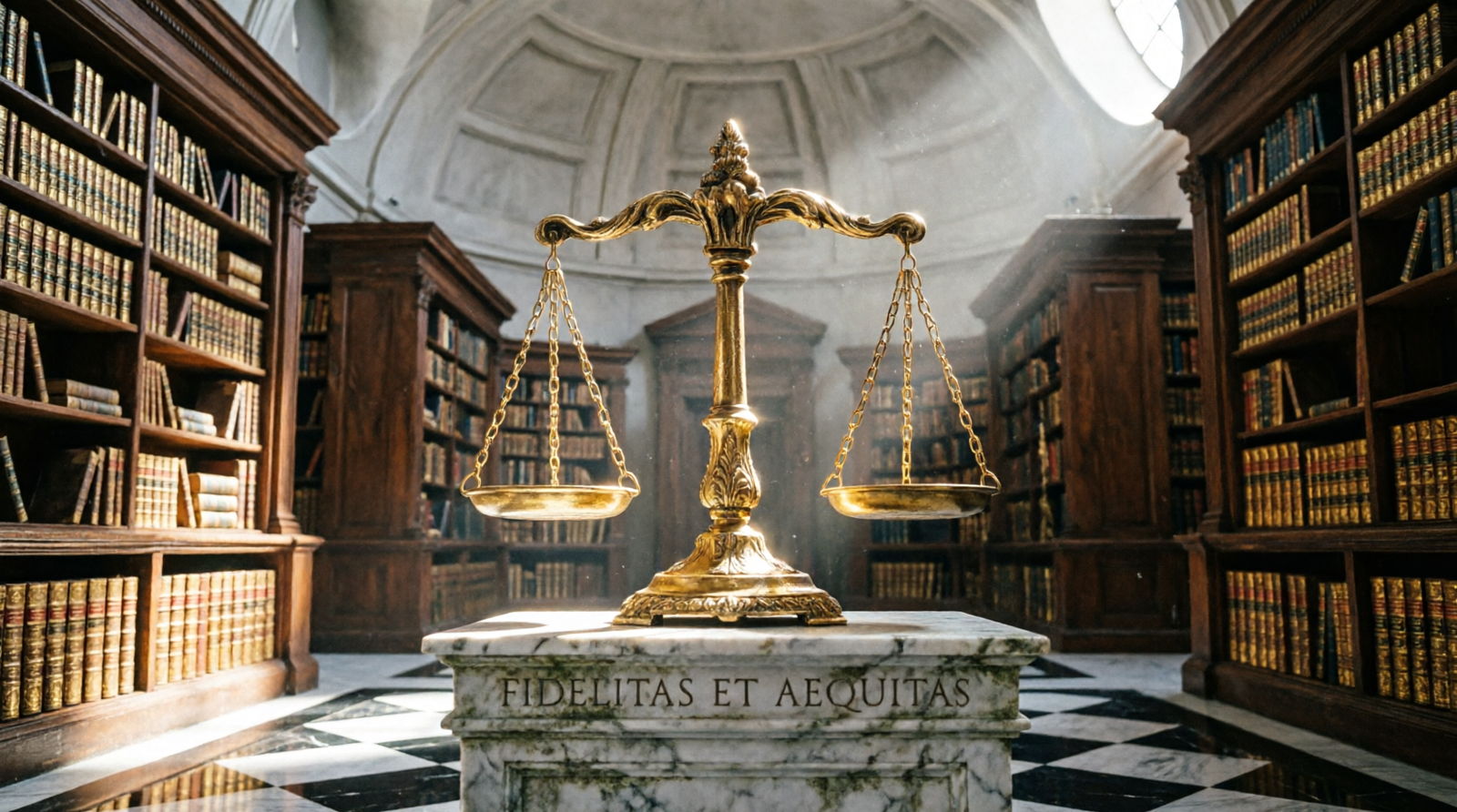
Metaphor for the Legal System 60 Powerful Examples
The best metaphor for the legal system depends on the idea you want to express. You might describe it as a maze when it feels confusing a shield when it protects people a ladder when it offers a path to justice or a balancing scale when it represents fairness.
These metaphors turn an abstract system of courts, laws, judges lawyers rights and rules into an image readers can quickly understand.
People often search for a metaphor for the legal system when writing an essay, speech, story poem, article, or school assignment. This guide explains more than 60 useful options in simple American English.
You will learn what each metaphor means, how it works when to use it, when to avoid it and how to put it into a natural sentence. The examples cover both positive and negative views of law and justice so you can choose language that matches your message.
This guide is updated for and is designed to help students, writers, teachers speakers and anyone looking for a clear way to describe the legal system.
Definition & Meaning

A metaphor for the legal system compares law, courts, justice, or legal processes to something familiar without using “like” or “as.” It helps readers picture an abstract system. For example, calling the legal system a compass suggests that law helps society find the right direction, while calling it a maze suggests confusion and difficulty.
What is a metaphor for the legal system?
A metaphor for the legal system is a figurative expression that describes the system of laws, courts, judges, lawyers, legal procedures, rights, and justice through another image or idea.
Instead of saying:
“The legal system contains many complicated procedures.”
A writer might say:
“The legal system is a maze of rules.”
The second sentence creates a picture. A reader can imagine turning corners, looking for an exit, and possibly getting lost. That makes the idea more memorable.
Quick summary
| Metaphor | Main idea | Common feeling |
|---|---|---|
| A maze | Complexity and confusion | Negative |
| A shield | Protection | Positive |
| A balancing scale | Fairness | Neutral/Positive |
| A compass | Guidance | Positive |
| A ladder | A path toward justice | Positive |
| A gatekeeper | Control over access | Neutral/Negative |
| A bridge | Connection and resolution | Positive |
| A net | Protection and capture | Mixed |
| A courtroom stage | Public performance | Critical |
| A clock | Slow procedure | Negative |
| A foundation | Stability | Positive |
| A fortress | Strong protection | Positive/Mixed |
| A referee | Fair decision-making | Positive |
| A mirror | Reflection of society | Neutral |
| A machine | Systematic operation | Neutral |
| A web | Interconnected rules | Mixed |
| A road | Legal process | Neutral |
| A map | Direction through rules | Positive |
| A wall | Barrier | Negative |
| A lock | Restriction | Negative |
| A key | Access or legal solution | Positive |
| A safety net | Protection from harm | Positive |
| A filter | Separating valid from invalid claims | Neutral |
| A sieve | Removing weak claims | Neutral |
| A puzzle | Complex problem-solving | Mixed |
| A book | Written rules | Neutral |
| A language | Shared system of rules | Neutral |
| A contract | Agreement and obligation | Neutral |
| A referee’s whistle | Enforcement | Neutral |
| A traffic light | Rules and limits | Neutral |
| A traffic system | Organized movement | Neutral |
| A skeleton | Structure beneath society | Neutral |
| A backbone | Support and order | Positive |
| A foundation stone | Basic stability | Positive |
| A tree | Growth and branches | Positive |
| A river | Flow of cases and decisions | Neutral |
| A riverbed | Channel for legal processes | Neutral |
| A pipeline | Movement of cases | Neutral |
| A funnel | Narrowing legal choices | Neutral |
| A funnel with bottlenecks | Delay and congestion | Negative |
| A courtroom chessboard | Strategy | Neutral |
| A chess game | Legal strategy | Mixed |
| A battlefield | Conflict | Negative |
| A battlefield referee | Controlled conflict | Mixed |
| A shield wall | Collective protection | Positive |
| A cage | Restriction | Negative |
| A prison door | Loss of freedom | Negative |
| A chain | Binding obligations | Negative |
| A leash | Limits on behavior | Negative |
| A fence | Boundaries | Neutral |
| A border | Limits of authority | Neutral |
| A compass rose | Many legal directions | Neutral |
| A lighthouse | Guidance | Positive |
| An anchor | Stability | Positive |
| A weighing machine | Judging competing claims | Neutral |
| A scale of justice | Fairness and balance | Positive |
| A courtroom mirror | Society examining itself | Reflective |
| A public square | Shared civic space | Positive |
| A social contract | Mutual duties | Neutral |
Why We Use Metaphors for the Legal System
Metaphors make the legal system easier to understand because law contains ideas that are often abstract, technical, and difficult to picture. A strong metaphor gives those ideas a familiar shape. Writers use them in classrooms, speeches, journalism, books, everyday conversations, professional communication, and social media to explain justice, rights, rules, fairness, conflict, and legal power.
Practical purpose
A metaphor can show how a legal system feels or functions, not just what it is.
For example:
- “The law is a shield.” Focuses on protection.
- “The courts are a bridge.” Focuses on resolving disputes.
- “The legal process is a maze.” Focuses on complexity.
- “A judge is a referee.” Focuses on fair decision-making.
- “The law is a compass.” Focuses on guidance.
In everyday speech
People rarely speak about law in purely technical terms all the time. They may say:
“The law should be a safety net for ordinary people.”
That sentence is easier to understand than a long explanation about legal protection.
In school writing
Metaphors are especially useful in essays about:
- justice
- equality
- civil rights
- courts
- government
- criminal justice
- constitutional law
- legal reform
- access to justice
- fairness
A metaphor can make an argument more memorable, but it should support the point rather than replace evidence.
In professional communication
A lawyer, teacher, journalist, policymaker, or public speaker may use a metaphor to explain a difficult legal concept to a general audience.
Pro Tip: In formal legal documents, use metaphors carefully. Clear factual language usually matters more than creative language.
On social media
Short metaphors work well online because people often scan rather than read long explanations.
For example:
“Justice should be a bridge, not a wall.”
That sentence can communicate a broad idea quickly.
60+ Metaphors for the Legal System
The following metaphors cover different views of law and justice. Some present the legal system as protective and orderly. Others show frustration, delay, complexity, power, conflict, or restriction.
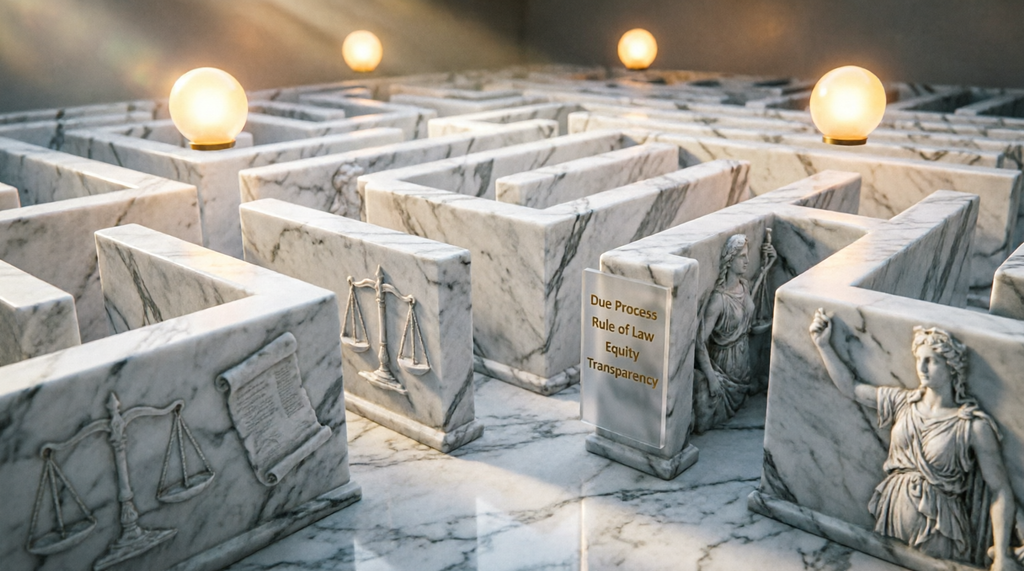
1. The Legal System Is a Maze
Meaning: The legal system can be complicated and difficult to navigate.
Real explanation: A maze has many turns, paths, and dead ends. This metaphor works when you want to show how legal rules and procedures can confuse people.
Sample sentence: “For someone without a lawyer, the legal system can feel like a maze with no clear exit.”
When to use it: Essays about legal complexity, access to justice, or bureaucracy.
When NOT to use it: When praising a simple, clear legal process.
Alternatives: a labyrinth; a confusing path; a tangled road.
Difficulty: Easy
Tone: Neutral to negative
2. The Legal System Is a Shield
Meaning: Law protects people from harm and unfair treatment.
Real explanation: A shield blocks danger. This metaphor emphasizes rights, legal protection, and public safety.
Sample sentence: “Strong laws should serve as a shield for people whose rights are threatened.”
When to use it: Discussions about rights and protection.
When NOT to use it: When discussing legal barriers or excessive regulation.
Alternatives: a protective wall; a safeguard; a defense.
Difficulty: Easy
Tone: Positive
3. The Legal System Is a Balancing Scale
Meaning: Courts try to weigh competing claims fairly.
Real explanation: The traditional image of scales represents justice. The metaphor emphasizes balance between different interests.
Sample sentence: “The court must act like a balancing scale, carefully weighing both sides.”
When to use it: Essays about fairness and impartiality.
When NOT to use it: When you want to emphasize legal confusion.
Alternatives: a set of scales; a balance; a weighing machine.
Difficulty: Easy
Tone: Formal
4. The Legal System Is a Compass
Meaning: Law gives society direction.
Real explanation: A compass helps travelers decide where to go. Laws can provide standards for behavior and decision-making.
Sample sentence: “A fair legal system should be a compass that guides society toward justice.”
When to use it: Positive essays about law and social order.
When NOT to use it: When focusing only on legal punishment.
Alternatives: a guide; a moral direction; a signpost.
Difficulty: Easy
Tone: Positive
5. The Legal System Is a Ladder
Meaning: Law can provide a path toward justice.
Real explanation: A ladder gives someone a way to climb from one level to another. It can represent appeals, legal remedies, or opportunities to seek justice.
Sample sentence: “For victims seeking justice, the courts can become a ladder out of helplessness.”
When to use it: Writing about access to justice.
When NOT to use it: When discussing unequal access to legal help.
Alternatives: a pathway; a staircase; a route upward.
Difficulty: Easy
Tone: Positive
6. The Legal System Is a Gatekeeper
Meaning: The legal system controls access to certain rights, processes, or remedies.
Real explanation: A gatekeeper decides who may enter or proceed. This metaphor can highlight legal requirements and barriers.
Sample sentence: “The court can act as a gatekeeper, deciding which claims deserve a full hearing.”
When to use it: Legal procedure and access discussions.
When NOT to use it: When you want an entirely positive image.
Alternatives: a doorway guard; an access point; a checkpoint.
Difficulty: Medium
Tone: Neutral to negative
7. The Legal System Is a Bridge
Meaning: Law can connect opposing sides and help resolve disputes.
Real explanation: A bridge connects places that would otherwise remain separated. Courts can provide a structured way for people to move from conflict toward resolution.
Sample sentence: “The justice system should be a bridge between disagreement and peaceful resolution.”
When to use it: Conflict resolution and mediation.
When NOT to use it: When emphasizing punishment.
Alternatives: a connection; a pathway; a meeting point.
Difficulty: Easy
Tone: Positive
8. The Legal System Is a Net
Meaning: Law can catch people who cause harm or protect people who fall into difficult situations.
Real explanation: A net can both protect and capture. That makes this a flexible metaphor.
Sample sentence: “The justice system is a net designed to catch serious wrongdoing.”
When to use it: Criminal justice or public protection.
When NOT to use it: When you need a clearly positive metaphor.
Alternatives: a safety net; a trap; a protective web.
Difficulty: Easy
Tone: Mixed
9. The Legal System Is a Clock
Meaning: Legal processes can take time.
Real explanation: A clock represents waiting, deadlines, and the slow movement of procedures.
Sample sentence: “Inside the legal system, the clock often seems to move more slowly than people expect.”
When to use it: Essays about court delays.
When NOT to use it: When discussing quick decisions.
Alternatives: a slow timer; a long wait; a ticking process.
Difficulty: Easy
Tone: Negative
10. The Legal System Is a Fortress
Meaning: Law can provide strong protection against threats.
Real explanation: A fortress is built to defend against attack. It can represent strong legal institutions, but it may also suggest that the system is hard to enter.
Sample sentence: “The constitution can stand as a fortress protecting basic rights.”
When to use it: Constitutional rights or institutional protection.
When NOT to use it: When emphasizing openness.
Alternatives: a stronghold; a defense wall; a bastion.
Difficulty: Medium
Tone: Positive or mixed
11. The Legal System Is a Referee
Meaning: Courts can act as neutral decision-makers between competing sides.
Real explanation: A referee applies rules while watching a contest. The comparison is useful for disputes.
Sample sentence: “The judge served as a referee between the two competing claims.”
When to use it: Simple explanations of judicial roles.
When NOT to use it: When explaining every function of a legal system.
Alternatives: an impartial judge; an umpire; a neutral decision-maker.
Difficulty: Easy
Tone: Neutral
12. The Legal System Is a Mirror
Meaning: Laws can reflect the values and problems of society.
Real explanation: A mirror shows what is already there. This metaphor encourages readers to think about how laws reflect social beliefs.
Sample sentence: “The legal system is a mirror that often reflects society’s deepest values.”
When to use it: Social commentary and essays.
When NOT to use it: When describing only court procedure.
Alternatives: a reflection; a portrait; a snapshot.
Difficulty: Easy
Tone: Reflective
13. The Legal System Is a Machine
Meaning: Law can operate through organized rules and procedures.
Real explanation: A machine has connected parts that perform different jobs. This metaphor highlights structure and process.
Sample sentence: “The legal system is a complex machine with judges, lawyers, courts, and rules working together.”
When to use it: Explanatory writing.
When NOT to use it: When discussing human emotion or compassion.
Alternatives: an engine; a mechanism; a system of gears.
Difficulty: Easy
Tone: Neutral
14. The Legal System Is a Web
Meaning: Laws, courts, agencies, rights, and duties are interconnected.
Real explanation: Pulling one strand of a web can affect others. This metaphor highlights legal relationships.
Sample sentence: “Modern law is a web of rules connecting individuals, businesses, courts, and government.”
When to use it: Complex legal relationships.
When NOT to use it: If the word “web” may imply something dishonest.
Alternatives: a network; a chain of connections; an interconnected system.
Difficulty: Easy
Tone: Neutral
15. The Legal System Is a Road
Meaning: Legal procedures create a path from a problem to a decision.
Real explanation: Roads take travelers from one place to another. The legal process can similarly move a dispute through stages.
Sample sentence: “A lawsuit follows a long road from the first complaint to a final judgment.”
When to use it: Explaining legal procedure.
When NOT to use it: When discussing legal uncertainty alone.
Alternatives: a path; a route; a journey.
Difficulty: Easy
Tone: Neutral
16. The Legal System Is a Map
Meaning: Laws provide guidance about what people can and cannot do.
Real explanation: A map helps people understand where they are and where they can go.
Sample sentence: “The law gives citizens a map for navigating their rights and responsibilities.”
When to use it: Education and public explanations.
When NOT to use it: When emphasizing that laws are unclear.
Alternatives: a guidebook; a roadmap; a guide.
Difficulty: Easy
Tone: Positive
17. The Legal System Is a Wall
Meaning: Legal rules can create barriers.
Real explanation: A wall stops or separates people. This metaphor is useful for discussing legal obstacles.
Sample sentence: “High legal fees can become a wall between ordinary people and justice.”
When to use it: Access-to-justice discussions.
When NOT to use it: When discussing legal protection.
Alternatives: a barrier; an obstacle; a blockade.
Difficulty: Easy
Tone: Negative
18. The Legal System Is a Lock
Meaning: Law can restrict access, actions, or freedom.
Real explanation: A lock prevents something from opening or moving freely.
Sample sentence: “Strict legal rules can act as a lock on certain government powers.”
When to use it: Limits and restrictions.
When NOT to use it: When describing legal freedom.
Alternatives: a restraint; a barrier; a restriction.
Difficulty: Easy
Tone: Negative
19. The Legal System Is a Key
Meaning: Law can provide a solution or unlock rights.
Real explanation: A key opens something that was closed. Legal remedies can sometimes open doors for people seeking justice.
Sample sentence: “A fair hearing can be the key that unlocks a person’s legal rights.”
When to use it: Rights and remedies.
When NOT to use it: When describing delays.
Alternatives: an answer; an opening; a solution.
Difficulty: Easy
Tone: Positive
20. The Legal System Is a Safety Net
Meaning: Law can protect people when something goes wrong.
Real explanation: A safety net catches someone who falls. The metaphor works well for worker protection, consumer rights, civil rights, and public safety.
Sample sentence: “Labor laws can serve as a safety net for workers facing unfair treatment.”
When to use it: Protection and rights.
When NOT to use it: When discussing legal punishment.
Alternatives: a safeguard; a backup; a protective net.
Difficulty: Easy
Tone: Positive
21. The Legal System Is a Filter
Meaning: Courts and procedures can separate strong legal claims from weak ones.
Real explanation: A filter allows some things through while holding others back.
Sample sentence: “Court procedures act as a filter, separating serious claims from unsupported accusations.”
When to use it: Legal procedure.
When NOT to use it: When describing emotional support.
Alternatives: a screening process; a test; a sieve.
Difficulty: Medium
Tone: Neutral
22. The Legal System Is a Sieve
Meaning: Legal processes remove claims or arguments that do not meet required standards.
Real explanation: A sieve lets small particles pass while keeping larger ones. It is a stronger version of the filter metaphor.
Sample sentence: “The appeals process can work like a sieve, allowing only legally valid arguments to move forward.”
When to use it: Analytical writing.
When NOT to use it: In very simple writing for young children.
Alternatives: a filter; a screen; a sorting tool.
Difficulty: Medium
Tone: Neutral
23. The Legal System Is a Puzzle
Meaning: Legal problems may require many pieces of information to solve.
Real explanation: A puzzle contains separate pieces that must fit together.
Sample sentence: “Building a strong case can feel like solving a puzzle one piece at a time.”
When to use it: Legal research and investigation.
When NOT to use it: When you need a formal legal definition.
Alternatives: a problem; a challenge; a complex task.
Difficulty: Easy
Tone: Neutral
24. The Legal System Is a Book
Meaning: Law contains written rules that people can study and interpret.
Real explanation: Books store information. This metaphor highlights statutes, legal texts, cases, and written rules.
Sample sentence: “The law is not simply a book of rules; it is a system that must be interpreted.”
When to use it: Education.
When NOT to use it: When focusing on living legal practice.
Alternatives: a rulebook; a legal text; a collection of rules.
Difficulty: Easy
Tone: Neutral
25. The Legal System Is a Language
Meaning: Law uses its own terms, rules, and methods of communication.
Real explanation: Legal language has words and meanings that may differ from everyday speech.
Sample sentence: “Legal language can feel like a foreign language to someone entering court for the first time.”
When to use it: Explaining legal terminology.
When NOT to use it: When discussing punishment.
Alternatives: a vocabulary; a code; a system of terms.
Difficulty: Easy
Tone: Neutral
26. The Legal System Is a Contract
Meaning: Law can represent shared duties between people and institutions.
Real explanation: A contract creates obligations between parties. The metaphor emphasizes responsibility and mutual expectations.
Sample sentence: “The social contract is the promise that citizens and institutions will respect shared rules.”
When to use it: Government and civic writing.
When NOT to use it: When discussing a specific lawsuit.
Alternatives: an agreement; a promise; a pact.
Difficulty: Medium
Tone: Formal
27. The Legal System Is a Traffic Light
Meaning: Law tells people when to stop, proceed, or use caution.
Real explanation: Traffic lights create clear behavioral rules.
Sample sentence: “Some laws work like traffic lights, telling society when to stop, go, or slow down.”
When to use it: Beginner explanations.
When NOT to use it: Complex legal analysis.
Alternatives: a signal; a warning system; a rule marker.
Difficulty: Easy
Tone: Informal
28. The Legal System Is a Traffic System
Meaning: Laws organize how people move and interact in society.
Real explanation: Traffic systems prevent chaos by creating shared rules.
Sample sentence: “A legal system is like a traffic system: shared rules help different people move through society safely.”
When to use it: Teaching children or beginners.
When NOT to use it: Serious discussions of human rights.
Alternatives: an organized road network; a rule system; a social traffic system.
Difficulty: Easy
Tone: Informal
29. The Legal System Is a Skeleton
Meaning: Law provides the basic structure that holds society together.
Real explanation: A skeleton supports the body. Similarly, legal rules can provide structure for institutions and social relationships.
Sample sentence: “The constitution forms part of the skeleton of the political system.”
When to use it: Government and constitutional writing.
When NOT to use it: Emotional or personal legal stories.
Alternatives: a framework; a structure; a supporting frame.
Difficulty: Medium
Tone: Formal
30. The Legal System Is a Backbone
Meaning: Law provides support and stability.
Real explanation: The backbone supports the body. This metaphor emphasizes the role of law in maintaining order.
Sample sentence: “An independent judiciary is a backbone of a stable democracy.”
When to use it: Civic and political writing.
When NOT to use it: When discussing legal confusion.
Alternatives: a support system; a foundation; a pillar.
Difficulty: Easy
Tone: Positive
31. The Legal System Is a Foundation
Meaning: Law forms a basic support for society.
Real explanation: A foundation supports a building. Without a stable base, the structure may fail.
Sample sentence: “Equal treatment under the law is a foundation of a fair society.”
When to use it: Formal essays.
When NOT to use it: When focusing on temporary legal disputes.
Alternatives: a base; a cornerstone; a support.
Difficulty: Easy
Tone: Positive
32. The Legal System Is a Tree
Meaning: Law has branches, roots, growth, and changing parts.
Real explanation: A tree naturally fits legal vocabulary because legal systems have different branches and can develop over time.
Sample sentence: “The legal system is a tree whose branches have grown from centuries of legal decisions.”
When to use it: Historical or educational writing.
When NOT to use it: Very concise formal writing.
Alternatives: a growing structure; a branching system; a legal organism.
Difficulty: Medium
Tone: Reflective
33. The Legal System Is a River
Meaning: Cases, laws, and legal ideas can flow and change over time.
Real explanation: A river keeps moving while following a general course.
Sample sentence: “The law is a river, constantly moving as new decisions shape its course.”
When to use it: Legal history and change.
When NOT to use it: When emphasizing fixed rules.
Alternatives: a current; a flow; a moving stream.
Difficulty: Easy
Tone: Reflective
34. The Legal System Is a Riverbed
Meaning: Law creates channels that guide social behavior.
Real explanation: A riverbed directs the movement of water. Laws can similarly guide how disputes and behavior move through society.
Sample sentence: “Legal rules form a riverbed that channels social conflict toward formal resolution.”
When to use it: Analytical writing.
When NOT to use it: Simple elementary writing.
Alternatives: a channel; a framework; a guided path.
Difficulty: Advanced
Tone: Formal
35. The Legal System Is a Pipeline
Meaning: Legal cases move through stages.
Real explanation: A pipeline carries something from one point to another. This metaphor highlights process rather than fairness.
Sample sentence: “Each case enters the legal pipeline and passes through several stages before a decision.”
When to use it: Procedure and administration.
When NOT to use it: Emotional writing.
Alternatives: a process; a route; a chain of stages.
Difficulty: Medium
Tone: Neutral
36. The Legal System Is a Funnel
Meaning: A large number of issues may narrow into a smaller number of formal legal claims.
Real explanation: A funnel starts wide and becomes narrow.
Sample sentence: “The legal process acts like a funnel, narrowing a broad dispute into specific questions the court can decide.”
When to use it: Explaining legal procedure.
When NOT to use it: When discussing protection.
Alternatives: a narrowing path; a channel; a screening process.
Difficulty: Medium
Tone: Neutral
37. The Legal System Is a Funnel With Bottlenecks
Meaning: Legal cases can slow down because of limited resources, procedures, or heavy workloads.
Real explanation: A bottleneck stops a large flow from moving quickly.
Sample sentence: “Overloaded courts can turn the legal system into a funnel with serious bottlenecks.”
When to use it: Essays about delays.
When NOT to use it: Positive descriptions of justice.
Alternatives: a clogged pipeline; a traffic jam; a slow-moving process.
Difficulty: Medium
Tone: Negative
38. The Legal System Is a Chess Game
Meaning: Legal disputes can involve strategy, planning, and careful decisions.
Real explanation: Chess players think several moves ahead. Lawyers may similarly consider possible outcomes.
Sample sentence: “A complex legal dispute can become a chess game in which every move matters.”
When to use it: Litigation strategy.
When NOT to use it: When emphasizing human suffering.
Alternatives: a strategy game; a tactical contest; a careful match.
Difficulty: Easy
Tone: Neutral
39. The Legal System Is a Chessboard
Meaning: The legal system can be seen as a structured space where different parties have different roles and powers.
Real explanation: A chessboard contains fixed positions and rules.
Sample sentence: “The courtroom became a chessboard where each side planned its next move.”
When to use it: Creative or analytical writing.
When NOT to use it: Personal victim stories.
Alternatives: a playing field; a strategic board; a game board.
Difficulty: Easy
Tone: Neutral
40. The Legal System Is a Battlefield
Meaning: Legal disputes can become intense conflicts between opposing sides.
Real explanation: A battlefield represents struggle and competition.
Sample sentence: “The courtroom became a battlefield over control of the company.”
When to use it: Dramatic writing.
When NOT to use it: Neutral professional communication.
Alternatives: an arena; a battleground; a conflict zone.
Difficulty: Easy
Tone: Dramatic
41. The Legal System Is a Battlefield With Rules
Meaning: Legal conflict can be intense, but participants must follow established procedures.
Real explanation: This combines conflict with structure.
Sample sentence: “A trial can resemble a battlefield with rules that both sides must follow.”
When to use it: Explaining adversarial litigation.
When NOT to use it: When discussing mediation.
Alternatives: a controlled contest; a regulated conflict; a formal arena.
Difficulty: Medium
Tone: Dramatic
42. The Legal System Is a Shield Wall
Meaning: Laws and institutions can work together to protect society.
Real explanation: A shield wall is stronger because many shields join together.
Sample sentence: “Civil rights laws can form a shield wall against discrimination.”
When to use it: Rights and collective protection.
When NOT to use it: Individual court procedure.
Alternatives: a defense line; a protective barrier; a united shield.
Difficulty: Medium
Tone: Positive
43. The Legal System Is a Cage
Meaning: Law can restrict a person’s freedom.
Real explanation: A cage limits movement. This metaphor is common in critical discussions of punishment or excessive control.
Sample sentence: “To critics, an overly harsh legal system can become a cage rather than a source of justice.”
When to use it: Critical essays.
When NOT to use it: Balanced legal explanations unless clearly labeled as a viewpoint.
Alternatives: a prison; a restraint; a confinement.
Difficulty: Easy
Tone: Negative
44. The Legal System Is a Chain
Meaning: Legal obligations can bind people to duties or consequences.
Real explanation: A chain connects and restricts movement.
Sample sentence: “The contract became a legal chain binding both parties to their promises.”
When to use it: Contracts and obligations.
When NOT to use it: Positive rights discussions.
Alternatives: a bond; a tie; an obligation.
Difficulty: Easy
Tone: Neutral to negative
45. The Legal System Is a Leash
Meaning: Law limits certain behavior.
Real explanation: A leash controls movement. It can be useful when discussing rules placed on government, companies, or individuals.
Sample sentence: “Constitutional limits act as a leash on government power.”
When to use it: Checks and limits.
When NOT to use it: Formal legal documents.
Alternatives: a restraint; a limit; a control.
Difficulty: Easy
Tone: Informal
46. The Legal System Is a Fence
Meaning: Law creates boundaries around acceptable behavior.
Real explanation: A fence separates one area from another.
Sample sentence: “The law creates a fence around conduct that society has chosen to regulate.”
When to use it: Rules and boundaries.
When NOT to use it: When discussing legal remedies.
Alternatives: a boundary; a border; a dividing line.
Difficulty: Easy
Tone: Neutral
47. The Legal System Is a Border
Meaning: Law marks the limits of rights, duties, and authority.
Real explanation: A border separates one territory from another.
Sample sentence: “Constitutional law draws a border between government power and individual freedom.”
When to use it: Constitutional topics.
When NOT to use it: Simple stories.
Alternatives: a boundary; a limit; a dividing line.
Difficulty: Easy
Tone: Formal
48. The Legal System Is a Lighthouse
Meaning: Law can guide people through difficult situations.
Real explanation: A lighthouse helps ships avoid danger and find direction.
Sample sentence: “A clear constitution can serve as a lighthouse during times of political uncertainty.”
When to use it: Positive civic writing.
When NOT to use it: Critical writing about legal failure.
Alternatives: a beacon; a guide; a light.
Difficulty: Easy
Tone: Positive
49. The Legal System Is an Anchor
Meaning: Law provides stability during change.
Real explanation: An anchor keeps a ship from drifting away.
Sample sentence: “Stable legal institutions can act as an anchor during social change.”
When to use it: Stability and constitutional order.
When NOT to use it: When discussing legal reform as movement.
Alternatives: a stabilizer; a foundation; a steadying force.
Difficulty: Easy
Tone: Positive
50. The Legal System Is a Weighing Machine
Meaning: Courts examine competing facts and arguments.
Real explanation: A weighing machine compares amounts. The metaphor emphasizes careful evaluation.
Sample sentence: “The court must function like a weighing machine, considering the evidence before reaching a decision.”
When to use it: Evidence and fairness.
When NOT to use it: Creative emotional writing.
Alternatives: a balance; a scale; an evaluator.
Difficulty: Medium
Tone: Formal
51. The Legal System Is a Public Square
Meaning: Courts and legal institutions can provide a place where disputes and public values are openly addressed.
Real explanation: A public square is a shared civic space.
Sample sentence: “The courtroom can become a public square where difficult questions about rights are examined.”
When to use it: Civic writing.
When NOT to use it: Technical procedure.
Alternatives: a civic forum; a public forum; a meeting place.
Difficulty: Medium
Tone: Positive
52. The Legal System Is a Doorway
Meaning: Law can provide access to justice or legal remedies.
Real explanation: A doorway is an entrance to another place.
Sample sentence: “Legal aid can be the doorway that allows a person to seek justice.”
When to use it: Access to justice.
When NOT to use it: Punishment-focused writing.
Alternatives: an entrance; an opening; a gateway.
Difficulty: Easy
Tone: Positive
53. The Legal System Is a Locked Door
Meaning: Legal barriers can prevent people from reaching justice.
Real explanation: A locked door suggests access exists in theory but cannot easily be reached.
Sample sentence: “Without affordable legal help, justice may look like a locked door.”
When to use it: Inequality and legal access.
When NOT to use it: Praising the system.
Alternatives: a barrier; a closed gate; an obstacle.
Difficulty: Easy
Tone: Negative
54. The Legal System Is a Bridge Under Construction
Meaning: Law is constantly being improved, changed, and tested.
Real explanation: A bridge under construction connects places but is not yet complete.
Sample sentence: “The justice system is a bridge under construction, shaped by new laws and changing social values.”
When to use it: Legal reform.
When NOT to use it: Describing settled rules.
Alternatives: a developing system; an unfinished path; an evolving structure.
Difficulty: Medium
Tone: Reflective
55. The Legal System Is a Garden
Meaning: Laws need care, reform, and attention to remain healthy.
Real explanation: A garden grows when people maintain it. Old or harmful rules may need to be removed while useful ones are strengthened.
Sample sentence: “A legal system is like a garden: it needs regular care to remain fair and useful.”
When to use it: Reform and social development.
When NOT to use it: Strict legal analysis.
Alternatives: a growing system; a living structure; a cultivated framework.
Difficulty: Medium
Tone: Positive
56. The Legal System Is a Living Tree
Meaning: Law can grow and change as society changes.
A living tree develops new branches while remaining connected to its roots.
Sample sentence: “The law is a living tree, shaped by old principles and new social needs.”
When to use it: Legal development.
When NOT to use it: When describing an unchanging rule.
Alternatives: an evolving system; a growing framework; a changing structure.
Difficulty: Medium
Tone: Reflective
57. The Legal System Is a Compass Rose
Meaning: Law may provide several possible directions depending on the issue.
Real explanation: A compass rose shows multiple directions. The metaphor can describe how legal principles guide decisions without giving only one simple answer.
Legal principles can serve as a compass rose when a court must choose among competing paths.
Advanced essays.
Basic writing.
Alternatives: a set of directions; a guide; a legal compass.
Difficulty: Advanced
Tone: Formal
58. The Legal System Is a Safety Valve
Meaning: Courts can provide a peaceful way to release social conflict.
Real explanation: A safety valve releases pressure before it becomes dangerous.
Sample sentence: “Courts can act as a safety valve by giving people a peaceful way to resolve disputes.”
When to use it: Conflict resolution.
When NOT to use it: When discussing legal punishment alone.
Alternatives: an outlet; a pressure release; a peaceful channel.
Difficulty: Medium
Tone: Positive
59. The Legal System Is a Pressure Valve
Meaning: Legal procedures can help manage intense disputes.
Real explanation: A pressure valve controls built-up pressure. The metaphor focuses on preventing conflict from becoming destructive.
Sample sentence: “A fair court system can serve as a pressure valve for serious social disagreements.”
When to use it: Social conflict.
When NOT to use it: Very formal legal documents.
Alternatives: an outlet; a release mechanism; a conflict channel.
Difficulty: Medium
Tone: Neutral
60. The Legal System Is a Compass and a Shield
Meaning: Law can both guide behavior and protect rights.
Real explanation: Combining metaphors lets a writer show two functions at once: direction and protection.
Sample sentence: “A strong legal system should be both a compass for public behavior and a shield for individual rights.”
When to use it: Essays that need a balanced positive image.
When NOT to use it: When criticizing the system.
Alternatives: a guide and safeguard; a map and defense; a protector and guide.
Difficulty: Easy
Tone: Positive
61. The Legal System Is a Bridge and a Barrier
Meaning: Law can connect people to justice while also creating obstacles.
Real explanation: This mixed metaphor captures the tension between legal protection and legal complexity.
Sample sentence: “The legal system can be both a bridge to justice and a barrier for those who cannot afford help.”
When to use it: Balanced or critical essays.
When NOT to use it: Very short writing where nuance is unnecessary.
Alternatives: a pathway and obstacle; an opening and wall; a connection and restriction.
Difficulty: Medium
Tone: Balanced
62. The Legal System Is Society’s Rulebook
Meaning: Law provides shared rules for social behavior.
Real explanation: A rulebook tells participants what is allowed and what is not. This is one of the simplest metaphors for beginners.
Sample sentence: “The legal system is society’s rulebook, setting boundaries for acceptable conduct.”
When to use it: Beginner explanations.
When NOT to use it: Sophisticated legal analysis, because law is more complex than a simple rulebook.
Alternatives: a code of rules; a framework; a shared rule set.
Difficulty: Easy
Tone: Neutral
63. The Legal System Is a Social Contract
Meaning: Law can represent an agreement between members of society and governing institutions.
Real explanation: The metaphor focuses on shared responsibilities, rights, duties, and expectations.
Sample sentence: “The legal system expresses part of the social contract between citizens and government.”
When to use it: Government, civics, and philosophy essays.
When NOT to use it: Simple descriptions of courtroom procedure.
Alternatives: a civic agreement; a shared pact; a public promise.
Difficulty: Medium
Tone: Formal
64. The Legal System Is a Stage
Meaning: Courtrooms can sometimes involve public performance, argument, and presentation.
Real explanation: Lawyers present arguments, witnesses answer questions, and judges observe and decide. The metaphor emphasizes the visible performance of legal proceedings.
Sample sentence: “The courtroom became a stage where both sides carefully presented their stories.”
When to use it: Literary or critical writing.
When NOT to use it: Respectful explanations of serious personal cases.
Alternatives: an arena; a forum; a public platform.
Difficulty: Easy
Tone: Dramatic
65. The Legal System Is a Clockwork Machine
Meaning: Legal procedures depend on many parts working together in an ordered sequence.
Real explanation: Clockwork suggests precision, structure, and timing.
Sample sentence: “The court system can resemble a clockwork machine, with each procedure affecting the next.”
When to use it: Process-focused writing.
When NOT to use it: When emphasizing human compassion.
Alternatives: a mechanism; an engine; an organized system.
Difficulty: Medium
Tone: Formal
66. The Legal System Is a Lighthouse in a Storm
Meaning: Law can provide guidance and stability during social crisis.
Real explanation: The storm represents uncertainty or conflict, while the lighthouse represents direction.
Sample sentence: “During political turmoil, an independent judiciary can become a lighthouse in a storm.”
When to use it: Powerful essays and speeches.
When NOT to use it: Neutral technical writing.
Alternatives: a beacon in darkness; a guiding light; a steady signal.
Difficulty: Medium
Tone: Positive and dramatic
67. The Legal System Is a Safety Harness
Meaning: Law can reduce the damage caused by dangerous actions or social failures.
Real explanation: A safety harness prevents a fall from becoming fatal. The metaphor emphasizes protection against serious harm.
Sample sentence: “Consumer protection laws can act as a safety harness when markets fail.”
When to use it: Consumer rights and regulation.
When NOT to use it: Punishment-focused topics.
Alternatives: a safeguard; a protective system; a backup.
Difficulty: Easy
Tone: Positive
68. The Legal System Is a Guardrail
Meaning: Law helps prevent people or institutions from going too far.
Real explanation: Guardrails keep vehicles from leaving a safe road. The metaphor works especially well for limits on power.
Sample sentence: “Constitutional rights act as guardrails against excessive government power.”
When to use it: Constitutional and political writing.
When NOT to use it: When explaining legal remedies.
Alternatives: a boundary; a safeguard; a protective limit.
Difficulty: Easy
Tone: Positive
69. The Legal System Is a Framework
Meaning: Law provides the structure within which society operates.
Real explanation: A framework supports a larger structure without being every part of it.
Sample sentence: “The legal system provides a framework for resolving disputes and protecting rights.”
When to use it: Almost any formal context.
When NOT to use it: When you need vivid creative imagery.
Alternatives: a structure; a foundation; a system of support.
Difficulty: Easy
Tone: Neutral/Formal
70. The Legal System Is a Pillar
Meaning: Law supports important parts of society.
Real explanation: A pillar holds up a building. The metaphor emphasizes stability and institutional support.
Sample sentence: “An independent court system is a pillar of democratic government.”
When to use it: Formal essays and speeches.
When NOT to use it: Critiques focused on legal failure.
Alternatives: a foundation; a support; a cornerstone.
Difficulty: Easy
Tone: Positive/Formal
Quick Reference Table
Here is a fast way to choose the best metaphor based on the message you want to communicate.
| # | Metaphor | Best meaning | Tone |
|---|---|---|---|
| 1 | Maze | Confusion | Negative |
| 2 | Shield | Protection | Positive |
| 3 | Balancing scale | Fairness | Positive |
| 4 | Compass | Guidance | Positive |
| 5 | Ladder | Path to justice | Positive |
| 6 | Gatekeeper | Access control | Mixed |
| 7 | Bridge | Resolution | Positive |
| 8 | Net | Protection/capture | Mixed |
| 9 | Clock | Delay | Negative |
| 10 | Fortress | Strong protection | Mixed |
| 11 | Referee | Neutral decision | Positive |
| 12 | Mirror | Reflection of society | Neutral |
| 13 | Machine | Organized process | Neutral |
| 14 | Web | Interconnection | Mixed |
| 15 | Road | Legal journey | Neutral |
| 16 | Map | Guidance | Positive |
| 17 | Wall | Barrier | Negative |
| 18 | Lock | Restriction | Negative |
| 19 | Key | Solution/access | Positive |
| 20 | Safety net | Protection | Positive |
| 21 | Filter | Screening | Neutral |
| 22 | Sieve | Removing weak claims | Neutral |
| 23 | Puzzle | Problem-solving | Neutral |
| 24 | Book | Written rules | Neutral |
| 25 | Language | Legal vocabulary | Neutral |
| 26 | Contract | Shared obligations | Neutral |
| 27 | Traffic light | Rules and limits | Neutral |
| 28 | Traffic system | Social order | Neutral |
| 29 | Skeleton | Structure | Neutral |
| 30 | Backbone | Support | Positive |
| 31 | Foundation | Stability | Positive |
| 32 | Tree | Growth | Positive |
| 33 | River | Change | Neutral |
| 34 | Riverbed | Direction | Neutral |
| 35 | Pipeline | Process | Neutral |
| 36 | Funnel | Narrowing | Neutral |
| 37 | Bottleneck | Delay | Negative |
| 38 | Chess game | Strategy | Neutral |
| 39 | Chessboard | Legal arena | Neutral |
| 40 | Battlefield | Conflict | Negative |
| 41 | Battlefield with rules | Controlled conflict | Mixed |
| 42 | Shield wall | Collective protection | Positive |
| 43 | Cage | Restriction | Negative |
| 44 | Chain | Obligation | Mixed |
| 45 | Leash | Control | Negative |
| 46 | Fence | Boundaries | Neutral |
| 47 | Border | Limits | Neutral |
| 48 | Lighthouse | Guidance | Positive |
| 49 | Anchor | Stability | Positive |
| 50 | Weighing machine | Evaluation | Neutral |
| 51 | Public square | Civic discussion | Positive |
| 52 | Doorway | Access | Positive |
| 53 | Locked door | Blocked access | Negative |
| 54 | Bridge under construction | Reform | Mixed |
| 55 | Garden | Care and reform | Positive |
| 56 | Living tree | Legal growth | Positive |
| 57 | Compass rose | Multiple directions | Neutral |
| 58 | Safety valve | Conflict release | Positive |
| 59 | Pressure valve | Conflict management | Neutral |
| 60 | Compass and shield | Guidance and protection | Positive |
| 61 | Bridge and barrier | Protection and obstacles | Mixed |
| 62 | Rulebook | Shared rules | Neutral |
| 63 | Social contract | Civic duties | Formal |
| 64 | Stage | Public presentation | Dramatic |
| 65 | Clockwork machine | Ordered process | Formal |
| 66 | Lighthouse in a storm | Guidance in crisis | Positive |
| 67 | Safety harness | Protection | Positive |
| 68 | Guardrail | Limits on power | Positive |
| 69 | Framework | Structure | Formal |
| 70 | Pillar | Institutional support | Formal |
Real-Life Conversations
The best metaphors usually sound natural because they match the speaker’s situation. Here are several examples showing how people might actually use them.
Conversation 1: Two Students Working on an Essay
Maya: I need a metaphor for the legal system, but everything I write sounds boring.
Jordan: What are you trying to say about it?
Maya: That laws help protect people’s rights.
Jordan: Then call the legal system a shield.
Maya: “The legal system is a shield that protects people’s rights”?
Jordan: Exactly. Simple and clear.
Maya: That actually works. Thanks.
Why it works: The metaphor matches the main idea: protection.
Conversation 2: A Teacher Explaining Court Procedures
Student: Why do people say the legal system is a maze?
Teacher: Because legal procedures can have many steps and rules.
Student: So they mean it is confusing?
Teacher: Usually, yes. It does not mean every part of the system is confusing. It means someone may struggle to find the right path.
Student: So I could use “maze” in an essay about access to justice?
Teacher: Yes. That would be a good fit.
Conversation 3: Friends Talking About a Court Case
Sam: How long has the case been going on?
Chris: Almost two years.
Sam: Seriously? That’s a long time.
Chris: Yeah. The whole process feels like a slow-moving clock.
Sam: I can see why you’re frustrated.
Chris: We just want a decision so everyone can move on.
Why it works: “Slow-moving clock” emphasizes delay rather than legal complexity.
Conversation 4: A Parent Helping With Homework
Parent: What metaphor did you choose?
Child: “The law is a map.”
Parent: What does that mean?
Child: It gives people directions about what they can do.
Parent: Good. Can you make the sentence more specific?
Child: “The legal system is a map that helps citizens understand their rights and duties.”
Parent: That’s much clearer.
Conversation 5: Office Discussion
Manager: We need to explain the new regulations to the team.
Employee: Maybe we can say the rules are guardrails.
Manager: What do you mean?
Employee: They don’t stop the company from moving forward. They help us avoid serious mistakes.
Manager: That’s a good comparison. Put that in the presentation.
Why it works: “Guardrails” presents rules as limits that promote safe movement rather than simply blocking action.
Everyday Usage
Metaphors for law and justice appear in many forms of communication. The best choice depends on the audience, purpose, and tone.
Conversation
In everyday English, simple metaphors work best.
“The law should be a shield, not a wall.”
“The court is the referee in this dispute.”
“The legal process feels like a maze.”
These expressions are easy to understand without legal training.
Writing
In essays, metaphors can create a strong opening or help explain an argument.
Example:
“For many people, the legal system is a maze. The rules may exist to provide order, yet their complexity can make justice difficult to reach.”
Notice that the metaphor is followed by an explanation. That makes the writing stronger.
Books
Fiction writers often use legal metaphors to reveal how characters feel about authority.
A character who says, “The law is a cage,” may feel trapped.
A character who says, “The law is a shield,” may trust the system.
Movies
Screenwriters can use short metaphors because dialogue must sound natural.
“You think the court is a shield. I think it’s a wall.”
That short exchange can reveal two opposing views without a long explanation.
Poetry
Poetry allows more imaginative combinations.
“Justice stands like a lighthouse
while the city moves through the storm.”
The image creates emotion rather than simply explaining legal procedure.
Emails
Professional emails should use metaphors sparingly.
Good:
“These procedures provide guardrails for the project.”
Less suitable:
“Our compliance department is a giant monster guarding the castle.”
The second example may sound humorous but is inappropriate in most professional settings.
Text messages
Short metaphors work well.
“The appeal process is a maze 😩.”
“At least the law gives us a shield.”
A concise metaphor can work as a caption:
“Justice should be a bridge, not a locked door.”
Longer explanations can work:
“A fair legal system should be both a compass and a shield: it should guide behavior while protecting basic rights.”
X
Short and sharp wording is usually best:
“A justice system should be a bridge to fairness, not a wall around it.”
Professional metaphors should connect to business or governance:
“Good regulation works like a guardrail. It limits dangerous behavior without blocking responsible growth.”
School assignments
For a school essay, choose one main metaphor and develop it instead of listing dozens.
For example:
“The legal system can be compared to a bridge because it provides a structured path from conflict to resolution.”
Then explain the comparison with evidence.
Writing Tips
The strongest legal metaphor is the one that matches the exact point you want to make. Do not choose an impressive image simply because it sounds poetic. First decide whether you are describing protection, fairness, complexity, delay, conflict, restriction, or guidance.
Formal vs. informal
More formal:
- framework
- foundation
- cornerstone
- social contract
- balancing scale
- institutional pillar
More informal:
- maze
- traffic light
- leash
- chess game
- rulebook
Speaking vs. writing
When speaking, choose metaphors people understand immediately.
Instead of:
“The legal system functions as a riverbed for normative social conflict.”
Say:
“The law gives social conflict a path toward resolution.”
Creative writing can be more imaginative, but academic writing should remain clear.
British vs. American usage
Most of these metaphors work in both American and British English. The main differences usually involve vocabulary, spelling, or legal institutions rather than the metaphor itself.
For example, courtroom, shield, maze, bridge, and lighthouse are widely understood in both varieties.
However, a metaphor based on a specific legal institution should match the country being discussed.
Children vs. adults
For children, use familiar images:
- road
- map
- shield
- traffic light
- referee
- rulebook
- fence
For adults, you can use more complex images:
- legal web
- riverbed
- social contract
- institutional framework
- bottleneck
- living tree
Professional communication
A useful professional metaphor should make a difficult idea clearer.
Strong:
“The policy creates guardrails around high-risk decisions.”
Weak:
“The policy is a dragon guarding the kingdom.”
The first metaphor explains a real function. The second may distract from the message.
Creative writing
Creative writers can combine images, but avoid mixing unrelated metaphors in one sentence.
Weak:
“The legal system is a maze, a ship, a tree, and a machine that opens a door.”
The reader cannot tell which image to follow.
Better:
“The legal system was a maze, and every new document seemed to lead to another turn.”
Common Mistakes
| Mistake | Reason | Correct version | Practical explanation |
|---|---|---|---|
| Using “like” when a direct metaphor is intended | This creates a simile | “The legal system is a maze.” | A simile uses “like” or “as”; a metaphor makes a direct comparison. |
| Mixing too many metaphors | The image becomes confusing | Choose one main image | Stay with one central comparison. |
| Using “maze” to mean fairness | Maze suggests complexity | Use “scale” or “balance” | Choose an image that matches the idea. |
| Calling every legal system a “shield” | It oversimplifies law | Explain the specific protective role | Law has many functions. |
| Using informal metaphors in legal documents | They may sound unprofessional | Use clear literal language | Formal documents require precision. |
| Explaining a metaphor without connecting it to law | The image becomes decorative | Explain the legal connection | Tell readers why the comparison matters. |
| Using “cage” without explaining the criticism | It sounds overly negative | Identify the restriction | “Cage” implies loss of freedom. |
| Saying the legal system “is” literally a machine | A metaphor is figurative | Explain the comparison | Avoid confusing figurative language with fact. |
| Mixing American and British legal references | Legal systems differ | Match the country | Metaphors should fit the legal context. |
| Using a complex metaphor for young readers | It may be hard to understand | Use “map,” “shield,” or “road” | Familiar images improve comprehension. |
Multiple Choice Questions
1. Which metaphor best represents legal protection?
A. Maze
B. Shield
C. Clock
D. Cage
Answer: B. Shield
2. Which metaphor best represents legal complexity?
A. Lighthouse
B. Foundation
C. Maze
D. Anchor
Answer: C. Maze
3. Which metaphor most strongly represents fairness?
A. Balancing scale
B. Locked door
C. Cage
D. Pipeline
Answer: A. Balancing scale
4. Which metaphor suggests that law provides direction?
A. Compass
B. Battlefield
C. Chain
D. Wall
Answer: A. Compass
5. Which metaphor is useful for describing legal delays?
A. Clock
B. Shield
C. Key
D. Lighthouse
Answer: A. Clock
6. Which metaphor suggests that law creates boundaries?
A. River
B. Fence
C. Garden
D. Mirror
Answer: B. Fence
7. Which metaphor can represent legal conflict and strategy?
A. Chess game
B. Safety net
C. Doorway
D. Foundation
Answer: A. Chess game
8. Which metaphor best describes access to justice?
A. Doorway
B. Chain
C. Battlefield
D. Clock
Answer: A. Doorway
9. Which metaphor suggests that law reflects society’s values?
A. Mirror
B. Pipeline
C. Funnel
D. Lock
Answer: A. Mirror
10. Which metaphor combines guidance and protection?
A. Compass and shield
B. Cage and chain
C. Wall and lock
D. Clock and bottleneck
Answer: A. Compass and shield
Answer Key
1-B, 2-C, 3-A, 4-A, 5-A, 6-B, 7-A, 8-A, 9-A, 10-A
FAQs:
What is a good metaphor for the legal system?
A strong general metaphor is “the legal system is a compass and a shield.” The compass represents guidance, while the shield represents protection. If your topic is legal complexity, “the legal system is a maze” works better. If your topic is fairness, use “a balancing scale.” The best metaphor depends on the exact idea you want your reader to understand.
What is a metaphor for justice?
Common metaphors for justice include a balancing scale, a lighthouse, a bridge, a compass, and a foundation. The scale is especially common because it represents fairness and weighing competing claims. A lighthouse suggests guidance, while a bridge suggests peaceful resolution. In creative writing, you can create your own image as long as the comparison clearly connects to fairness or justice.
What metaphor describes a complicated legal system?
“The legal system is a maze” is one of the clearest metaphors for complexity. A maze has many paths, turns, and possible dead ends, just as legal rules and procedures can sometimes be difficult for ordinary people to understand. You can also use “a tangled web” or “a puzzle” when you want to emphasize interconnected rules or difficult problems.
What metaphor describes a fair legal system?
A balancing scale is one of the strongest metaphors for a fair legal system. It suggests that different claims, facts, rights, and interests are carefully weighed before a decision is made. You could also use “a referee” to emphasize neutral decision-making. For an essay, explain exactly what is being balanced so the metaphor supports your argument.
What is a metaphor for courts?
A court can be described as a referee, a bridge, a public square, a weighing machine, or a stage, depending on the point. “Referee” emphasizes neutral decision-making. “Bridge” emphasizes dispute resolution. “Weighing machine” focuses on evidence and arguments. “Stage” is more critical or literary because it highlights the public presentation of competing legal stories.
What metaphor represents law as protection?
The most direct metaphor is “the law is a shield.” A shield protects someone from danger, so the image works well when discussing rights, civil liberties, consumer protection, or public safety. “Safety net,” “guardrail,” “fortress,” and “shield wall” can also work. Choose the image based on the kind of protection you want to describe.
Can I use these metaphors in a school essay?
Yes. Metaphors can make a school essay more vivid and easier to remember. However, do not fill the essay with figurative language. Choose one or two strong metaphors and explain them. For example, if you argue that law protects rights, introduce the shield metaphor and then support the idea with facts, examples, or class material.
What is a metaphor for a broken legal system?
For a critical description, you could use “a broken machine,” “a blocked road,” “a locked door,” “a maze with no exit,” or “a bridge with missing sections.” Each image suggests a different problem. A broken machine emphasizes malfunction, a locked door emphasizes access, and a blocked road emphasizes delay or obstruction.
What metaphor describes legal reform?
“The legal system is a bridge under construction” is a useful metaphor for legal reform. It suggests that the system already exists but is still being improved. Another strong choice is “a living tree,” which suggests growth from older legal principles. These metaphors work well when writing about changing laws, court decisions, constitutional development, or institutional improvement.
What is the difference between a legal metaphor and a legal simile?
A metaphor makes a direct comparison, such as “The legal system is a maze.” A simile usually uses “like” or “as,” such as “The legal system is like a maze.” Both create comparisons, but their grammar is different. Metaphors often sound stronger and more direct, while similes can make the comparison feel more explicit.
Final Thoughts
A metaphor for the legal system gives readers a simple picture of something that can otherwise feel abstract.
The most effective metaphor is not necessarily the most dramatic one. It is the one that matches your meaning. Before choosing an expression, ask yourself what you want the reader to feel or understand: protection fairness confusion delay conflict stability restriction, or hope. Once you know that, the right image usually becomes much easier to find.
In everyday English and creative writing, a strong metaphor can make a sentence stick in the reader’s mind. In academic or professional writing, use it as a tool for explanation rather than a replacement for facts. A clear comparison, followed by a clear explanation, is usually the strongest combination.
Discover more post:

Valeria is a passionate writer, literature enthusiast, and content creator with over 5 years of experience in writing, researching, and creating engaging educational content. As a dedicated author at LiteraryGuidz, she specializes in literature, books, reading, writing, literary concepts, and easy-to-understand educational content.
Related Post

Metaphor for Existentialism Powerful Examples
Existentialism can be hard to explain because it asks some of life’s biggest questions: Why…