

Metaphor for a Cave 60+ Creative Examples & Meanings
literaryguidz.com >> Uncategorized>> Metaphor for a Cave 60+ Creative Examples & Meanings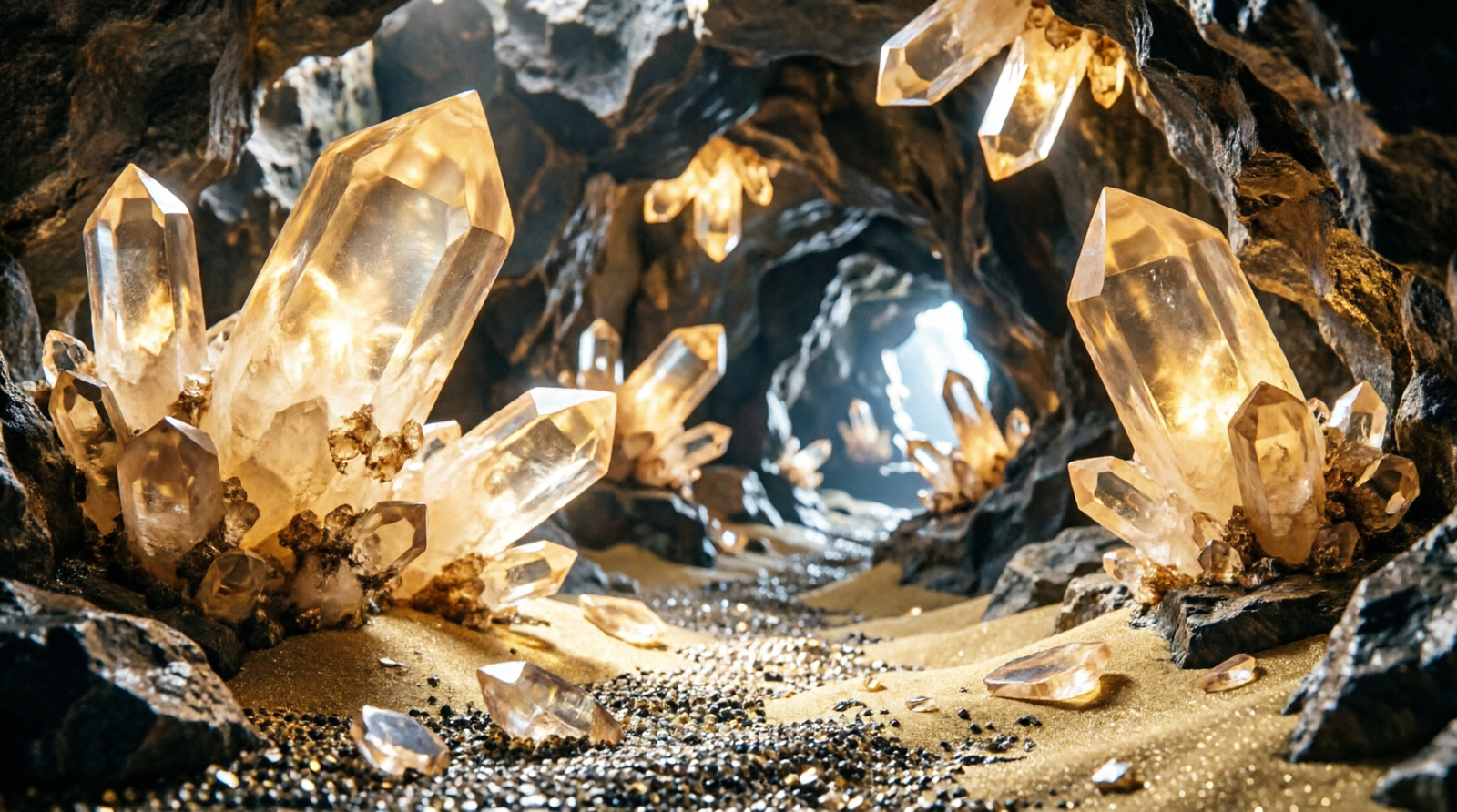
Metaphor for a Cave 60+ Creative Examples & Meanings
A metaphor for a cave is a creative comparison that describes a cave as something else such as a secret a mouth a shelter a prison, or a sleeping giant. People search for cave metaphors when they need stronger language for a story poem school assignment speech or creative description.
A cave can feel many different ways. It may feel safe and peaceful. It may also feel dark lonely cold mysterious or frightening. This is why one metaphor does not fit every situation. Calling a cave nature’s shelter” creates a very different feeling from calling it the earth’s black mouth.
You may see cave metaphors in novels myths adventure stories movies poetry and descriptive writing. Teachers may also ask students to use metaphors when describing a natural place.
This updated-for-2026 guide gives you more than 60 useful metaphors for a cave. You will learn what each one means, how to use it in a sentence, when it works best, and when you should avoid it. You will also find conversations writing tips common mistakes questions FAQs ideas and schema markup.
Definition & Meaning
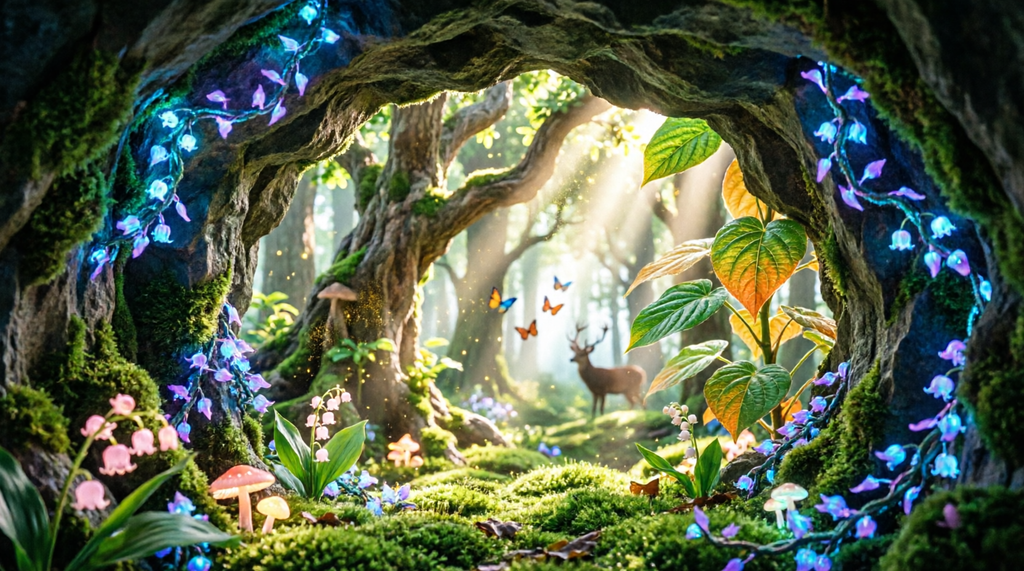
A metaphor for a cave describes a cave by saying it is something else to create a strong picture or feeling. Instead of only saying that a cave is dark or deep, a writer might call it “the earth’s mouth” or “a stone womb.”
A metaphor is not meant to be understood literally.
For example:
- The cave was the earth’s mouth.
- The cave is not really a mouth.
- The comparison helps us imagine a dark opening in the ground.
Metaphors can describe a cave’s:
- Shape
- Darkness
- Silence
- Safety
- Mystery
- Depth
- Age
- Danger
- Beauty
- Isolation
Quick Summary Table
| Term | Simple Meaning |
|---|---|
| Cave | A natural hollow space in rock or underground |
| Metaphor | A comparison that says one thing is another |
| Cave metaphor | A creative comparison used to describe a cave |
| Literal description | A direct description based on facts |
| Figurative language | Language that creates meaning beyond the literal words |
Quick tip: Choose your metaphor based on the mood you want. A scary story needs different language from a peaceful nature poem.
Why We Use Metaphor for a Cave
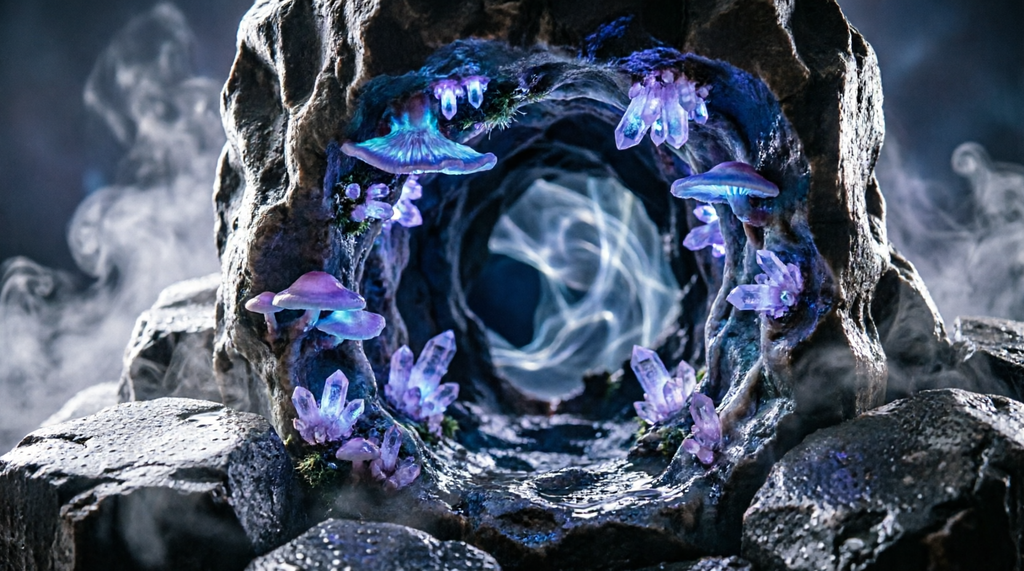
We use a metaphor for a cave because a simple description may not show how the place feels. A metaphor can quickly make readers imagine darkness, safety, fear, mystery, history, or silence.
In everyday speech
Most people may simply say, “That cave looks scary.” But a creative speaker might say:
“That cave looks like the mouth of a monster.”
The second sentence creates a stronger picture.
In writing
Writers use cave metaphors to build mood. A dark adventure story may describe a cave as:
A black throat swallowing the light.
A peaceful story may describe the same place as:
A quiet room inside the mountain.
In speaking
Metaphors make descriptions more interesting during:
- Presentations
- Storytelling
- Travel talks
- Nature discussions
- Classroom activities
In school
Students can use cave metaphors in:
- Descriptive paragraphs
- Poems
- Stories
- Creative writing assignments
- Figurative language exercises
On social media
A traveler might write:
“Found a hidden room inside the mountain today.”
This sounds more vivid than simply saying, “I visited a cave.”
In professional communication
Metaphors are usually less common in formal reports. However, they may work in:
- Marketing
- Travel writing
- Speeches
- Creative presentations
- Brand storytelling
Pro tip: In a scientific or safety report, use literal language. In a story or presentation, figurative language can make the description memorable.
60+ Metaphors for a Cave
The following examples show different ways to describe a cave. Each metaphor has its own mood, meaning, and best use.
The Earth’s Mouth
Meaning: A cave entrance looks like an open mouth in the ground or rock.
Real explanation: This metaphor focuses on the shape of the opening. It can feel neutral, mysterious, or scary.
Sample sentence: The explorers stood before the earth’s mouth and stepped slowly into the darkness.
When to use it: Adventure stories, poems, and descriptive writing.
When NOT to use it: When you need a scientific description.
Alternatives: the mountain’s mouth; a mouth in the stone; the land’s open mouth.
Difficulty level: Easy.
Tone: Neutral.
A Stone Womb
Meaning: The cave is compared to a womb because it surrounds and protects what is inside.
Real explanation: This creates a strong feeling of shelter, warmth, and protection.
Sample sentence: During the storm, the cave became a stone womb around the frightened travelers.
When to use it: Poetry, serious writing, and emotional descriptions.
When NOT to use it: Casual writing for very young readers unless explained.
Alternatives: nature’s womb; a rocky cradle; the earth’s shelter.
Difficulty level: Advanced.
Tone: Formal.
A Black Throat
Meaning: A cave is like a dark throat leading deep into the earth.
Real explanation: This metaphor suggests depth and darkness. It can also feel frightening.
Sample sentence: The tunnel stretched ahead like a black throat swallowing every bit of light.
When to use it: Horror and adventure writing.
When NOT to use it: A cheerful or peaceful description.
Alternatives: a dark passage; a shadowy throat; a black tunnel.
Difficulty level: Medium.
Tone: Neutral.
Nature’s Shelter
Meaning: The cave is a natural place of protection.
Real explanation: This metaphor highlights safety instead of fear.
Sample sentence: For thousands of years, caves have served as nature’s shelter for people and animals.
When to use it: Educational and nature writing.
When NOT to use it: When describing immediate danger.
Alternatives: nature’s refuge; a natural shelter; the earth’s safe room.
Difficulty level: Easy.
Tone: Neutral.
The Mountain’s Secret
Meaning: The cave is a hidden secret inside a mountain.
Real explanation: This metaphor makes the cave feel private and mysterious.
Sample sentence: Behind the trees waited the mountain’s secret, hidden from the busy world.
When to use it: Stories and travel writing.
When NOT to use it: Technical descriptions.
Alternatives: a hidden secret; the hill’s secret; nature’s hidden room.
Difficulty level: Easy.
Tone: Neutral.
A Dark Kingdom
Meaning: The cave is imagined as a large hidden world.
Real explanation: This works especially well for a huge cave with many chambers.
Sample sentence: Beneath the hill lay a dark kingdom of stone, water, and silence.
When to use it: Fantasy and adventure stories.
When NOT to use it: Small cave descriptions.
Alternatives: an underground kingdom; a shadow kingdom; a hidden world.
Difficulty level: Medium.
Tone: Dramatic.
The Earth’s Hidden Room
Meaning: The cave is like a room inside the planet.
Real explanation: This is one of the simplest and clearest metaphors for beginners.
Sample sentence: We entered the earth’s hidden room and stared at the walls of shining stone.
When to use it: School assignments and general creative writing.
When NOT to use it: When you want a very scary mood.
Alternatives: a hidden chamber; nature’s room; an underground room.
Difficulty level: Easy.
Tone: Neutral.
A Sleeping Giant’s Mouth
Meaning: The cave entrance looks like the open mouth of a giant.
Real explanation: This gives the cave a dangerous, mythical feeling.
Sample sentence: The cave waited like a sleeping giant’s mouth at the bottom of the cliff.
When to use it: Fantasy and children’s adventure stories.
When NOT to use it: Formal nature writing.
Alternatives: a monster’s mouth; a giant’s doorway; a beast’s open jaws.
Difficulty level: Medium.
Tone: Informal.
A Stone Fortress
Meaning: The cave is strong and protected like a fortress.
Real explanation: This metaphor focuses on hard rock and safety.
Sample sentence: The cave stood as a stone fortress against the freezing wind.
When to use it: Survival stories.
When NOT to use it: When the cave is weak or dangerous.
Alternatives: a rocky fortress; a natural castle; a stone stronghold.
Difficulty level: Easy.
Tone: Neutral.
A Shadowed Cathedral
Meaning: A large cave feels like a grand religious building.
Real explanation: Tall ceilings and stone columns can make a cave feel beautiful and powerful.
Sample sentence: The vast chamber rose above us like a shadowed cathedral.
When to use it: Serious descriptive writing.
When NOT to use it: Small or ordinary caves.
Alternatives: a stone cathedral; a natural temple; an underground hall.
Difficulty level: Medium.
Tone: Formal.
A Silent Prison
Meaning: The cave feels closed, lonely, and hard to escape.
Real explanation: This metaphor emphasizes fear and isolation.
Sample sentence: After the entrance collapsed, the cave became a silent prison.
When to use it: Survival and suspense stories.
When NOT to use it: When describing a pleasant visit.
Alternatives: a stone prison; a dark cage; an underground trap.
Difficulty level: Easy.
Tone: Dramatic.
The Earth’s Memory
Meaning: The cave holds signs of the distant past.
Real explanation: Caves can contain old rock formations, fossils, art, and other evidence of history.
Sample sentence: The ancient cave felt like the earth’s memory, holding stories from another age.
When to use it: Historical and reflective writing.
When NOT to use it: Very simple casual descriptions.
Alternatives: nature’s memory; a book of stone; the past in rock.
Difficulty level: Medium.
Tone: Formal.
A Time Capsule of Stone
Meaning: The cave seems to preserve the past.
Real explanation: This metaphor connects the cave with history and ancient life.
Sample sentence: The cave was a time capsule of stone, protecting clues from long ago.
When to use it: Educational and historical writing.
When NOT to use it: When discussing a newly formed artificial space.
Alternatives: a natural time capsule; a stone archive; history underground.
Difficulty level: Medium.
Tone: Neutral.
A Secret Library
Meaning: The cave holds stories and information waiting to be discovered.
Real explanation: Rock layers and ancient markings can seem like pages of knowledge.
Sample sentence: To the scientist, the cave was a secret library written in stone.
When to use it: Educational and poetic writing.
When NOT to use it: When readers need plain language.
Alternatives: a library of stone; nature’s archive; a hidden record.
Difficulty level: Medium.
Tone: Formal.
The Belly of the Mountain
Meaning: The cave is deep inside a mountain.
Real explanation: This metaphor gives a strong sense of being surrounded by rock.
Sample sentence: We walked farther into the belly of the mountain.
When to use it: Adventure writing and speech.
When NOT to use it: Scientific reports.
Alternatives: the heart of the mountain; deep inside the mountain; the mountain’s interior.
Difficulty level: Easy.
Tone: Neutral.
A Rocky Cradle
Meaning: The cave gently protects something inside it.
Real explanation: A cradle suggests care, safety, and rest.
Sample sentence: The small cave became a rocky cradle for the lost animal.
When to use it: Gentle stories and nature writing.
When NOT to use it: Horror scenes.
Alternatives: a stone cradle; a natural cradle; a sheltered nest.
Difficulty level: Easy.
Tone: Gentle.
A Pocket of Darkness
Meaning: The cave is a small dark space surrounded by the outside world.
Real explanation: This is a simple visual metaphor.
Sample sentence: A pocket of darkness opened in the side of the bright hill.
When to use it: Descriptive writing.
When NOT to use it: When describing a very large cave.
Alternatives: a patch of darkness; a dark hollow; a shadow pocket.
Difficulty level: Easy.
Tone: Neutral.
The Night Inside the Rock
Meaning: The cave is so dark that it feels like nighttime trapped inside stone.
Real explanation: This metaphor emphasizes deep darkness.
Sample sentence: Beyond the entrance waited the night inside the rock.
When to use it: Poetry and atmospheric fiction.
When NOT to use it: Formal writing.
Alternatives: darkness in stone; a trapped night; underground night.
Difficulty level: Medium.
Tone: Poetic.
A Hidden World
Meaning: The cave feels separate from the world outside.
Real explanation: Underground spaces can seem like another world.
Sample sentence: One step through the entrance took us into a hidden world.
When to use it: Travel and adventure writing.
When NOT to use it: When you need a highly specific description.
Alternatives: another world; a secret world; an underground world.
Difficulty level: Easy.
Tone: Neutral.
The Earth’s Basement
Meaning: The cave is compared to a basement below the surface.
Real explanation: This is modern, simple, and slightly playful.
Sample sentence: We joked that we were exploring the earth’s basement.
When to use it: Casual speech and student writing.
When NOT to use it: Serious poetry.
Alternatives: the planet’s basement; nature’s basement; the underground floor.
Difficulty level: Easy.
Tone: Informal.
A Stone Maze
Meaning: A cave system is confusing and difficult to move through.
Real explanation: This metaphor works best for caves with many tunnels.
Sample sentence: The explorers entered a stone maze of narrow passages.
When to use it: Adventure and mystery writing.
When NOT to use it: A cave with only one simple chamber.
Alternatives: a rocky labyrinth; an underground maze; a maze of tunnels.
Difficulty level: Easy.
Tone: Neutral.
A Dragon’s Lair
Meaning: The cave feels like the home of a powerful or dangerous creature.
Real explanation: This comes from myths and fantasy stories.
Sample sentence: Smoke drifted from the cave, making it look like a dragon’s lair.
When to use it: Fantasy and playful descriptions.
When NOT to use it: Scientific writing.
Alternatives: a beast’s den; a monster’s home; a creature’s lair.
Difficulty level: Easy.
Tone: Informal.
The Heart of the Mountain
Meaning: The cave lies deep in the center of a mountain.
Real explanation: This metaphor makes the place feel important and hidden.
Sample sentence: At last, they reached the heart of the mountain.
When to use it: Adventure, fantasy, and travel writing.
When NOT to use it: If the cave is close to the surface.
Alternatives: the mountain’s core; the mountain’s center; deep within the mountain.
Difficulty level: Easy.
Tone: Neutral.
A House Without Windows
Meaning: The cave is enclosed and separated from daylight.
Real explanation: This metaphor focuses on darkness and isolation.
Sample sentence: The cave was a house without windows, where daylight could not enter.
When to use it: Suspense writing.
When NOT to use it: A cave with large openings and lots of light.
Alternatives: a windowless room; a closed house; a dark shelter.
Difficulty level: Easy.
Tone: Neutral.
A Vault of Stone
Meaning: The cave feels like a secure room that holds valuable things.
Real explanation: This metaphor can suggest hidden treasure, beauty, or ancient secrets.
Sample sentence: The chamber was a vault of stone filled with shining crystals.
When to use it: Fantasy and descriptive writing.
When NOT to use it: Very casual speech.
Alternatives: a stone treasure room; a natural vault; a hidden chamber.
Difficulty level: Medium.
Tone: Formal.
A Cold Embrace
Meaning: The cave surrounds a person but feels cold and unfriendly.
Real explanation: An embrace is usually warm, so adding “cold” creates an interesting contrast.
Sample sentence: The cave closed around us in a cold embrace.
When to use it: Suspense and emotional writing.
When NOT to use it: Simple factual descriptions.
Alternatives: a chilly grip; an icy hold; a cold shelter.
Difficulty level: Medium.
Tone: Poetic.
A Stone Cocoon
Meaning: The cave surrounds and protects what is inside.
Real explanation: A cocoon suggests being enclosed and separated from the outside world.
Sample sentence: The travelers slept safely inside their stone cocoon.
When to use it: Reflective and peaceful writing.
When NOT to use it: When the cave feels open and exposed.
Alternatives: a rocky cocoon; a stone shell; a natural covering.
Difficulty level: Medium.
Tone: Neutral.
A Tunnel into Another World
Meaning: Entering the cave feels like leaving ordinary life behind.
Real explanation: This metaphor is useful when the cave is strange or beautiful.
Sample sentence: The entrance felt like a tunnel into another world.
When to use it: Travel, fantasy, and adventure writing.
When NOT to use it: Technical descriptions.
Alternatives: a doorway to another world; a portal underground; a passage beyond.
Difficulty level: Easy.
Tone: Neutral.
The Earth’s Dark Eye
Meaning: A round cave opening looks like a dark eye.
Real explanation: This can make the landscape seem alive.
Sample sentence: The earth’s dark eye watched us from the side of the hill.
When to use it: Poetry and imaginative stories.
When NOT to use it: Formal school reports.
Alternatives: a black eye in the hill; the mountain’s eye; a dark opening.
Difficulty level: Medium.
Tone: Poetic.
A Giant Stone Lung
Meaning: The cave seems to breathe air through its entrance.
Real explanation: Wind moving in and out can make a cave feel alive.
Sample sentence: Cold air flowed from the giant stone lung beneath the hill.
When to use it: Creative nature writing.
When NOT to use it: When readers may confuse the meaning.
Alternatives: the earth’s lung; a breathing mountain; a living hollow.
Difficulty level: Advanced.
Tone: Poetic.
A Doorway to the Unknown
Meaning: The cave entrance leads toward mystery.
Real explanation: No one knows exactly what may be deeper inside.
Sample sentence: The narrow opening stood before them as a doorway to the unknown.
When to use it: Adventure stories.
When NOT to use it: A familiar tourist cave with a clear route.
Alternatives: a door to mystery; a path into the unknown; a mysterious entrance.
Difficulty level: Easy.
Tone: Dramatic.
A Grave of Light
Meaning: Light disappears inside the cave.
Real explanation: The metaphor treats the cave as a place where daylight dies.
Sample sentence: A few steps inside, the cave became a grave of light.
When to use it: Dark poetry and horror.
When NOT to use it: Children’s cheerful writing.
Alternatives: where light dies; a tomb of darkness; darkness swallowing light.
Difficulty level: Advanced.
Tone: Dramatic.
A Stone Tunnel of Secrets
Meaning: The cave holds hidden things and unknown stories.
Real explanation: This is clear and easy for beginners.
Sample sentence: Every step led deeper into a stone tunnel of secrets.
When to use it: Mystery stories and school writing.
When NOT to use it: Scientific reports.
Alternatives: a passage of secrets; a secret tunnel; a hidden corridor.
Difficulty level: Easy.
Tone: Neutral.
The Earth’s Whispering Hall
Meaning: The cave carries echoes and quiet sounds.
Real explanation: Water drops and echoes can make a cave seem as if it is whispering.
Sample sentence: Our voices echoed through the earth’s whispering hall.
When to use it: Poetry and descriptive writing.
When NOT to use it: When the cave is loud and crowded.
Alternatives: a hall of whispers; a whispering chamber; an echoing hall.
Difficulty level: Medium.
Tone: Poetic.
A Natural Bunker
Meaning: The cave is a strong place of protection.
Real explanation: This is a modern metaphor that suggests safety from danger.
Sample sentence: During the storm, the cave served as a natural bunker.
When to use it: Casual survival writing.
When NOT to use it: Formal literary poetry.
Alternatives: a natural refuge; a stone shelter; a safe hideout.
Difficulty level: Easy.
Tone: Informal.
A Forgotten Palace
Meaning: A large beautiful cave feels grand but empty.
Real explanation: Rock formations may resemble rooms, pillars, and halls.
Sample sentence: The glittering chamber looked like a forgotten palace.
When to use it: Travel and fantasy writing.
When NOT to use it: A tiny cave.
Alternatives: an abandoned palace; a hidden castle; a lost kingdom.
Difficulty level: Easy.
Tone: Poetic.
A Tomb Beneath the Hill
Meaning: The cave feels still, ancient, and connected to death.
Real explanation: This metaphor creates a dark and serious mood.
Sample sentence: At night, the cave seemed like a tomb beneath the hill.
When to use it: Gothic and horror writing.
When NOT to use it: Positive nature descriptions.
Alternatives: an underground tomb; a stone grave; a buried chamber.
Difficulty level: Easy.
Tone: Formal.
A Refuge from the Sky
Meaning: The cave protects people from rain, sun, wind, or storms.
Real explanation: The metaphor focuses on the difference between open air and covered rock.
Sample sentence: When the storm began, the cave became our refuge from the sky.
When to use it: Adventure and nature writing.
When NOT to use it: When no protection is involved.
Alternatives: shelter from the storm; refuge from the weather; a safe hollow.
Difficulty level: Easy.
Tone: Neutral.
A Hollow Fortress
Meaning: The cave is empty inside but strong outside.
Real explanation: This captures the hard rock walls surrounding an open space.
Sample sentence: The hollow fortress protected us from the wind.
When to use it: Creative writing.
When NOT to use it: Very formal communication.
Alternatives: an empty fortress; a stone stronghold; a rocky castle.
Difficulty level: Medium.
Tone: Neutral.
The Mountain’s Locked Room
Meaning: The cave is hidden and difficult to enter.
Real explanation: This metaphor suggests privacy and mystery.
Sample sentence: We had found the mountain’s locked room at last.
When to use it: Mystery and adventure stories.
When NOT to use it: If the cave is wide open and well known.
Alternatives: a hidden room; a secret chamber; a sealed room.
Difficulty level: Easy.
Tone: Neutral.
A Stone Nest
Meaning: The cave is a resting place.
Real explanation: A nest suggests safety and a temporary home.
Sample sentence: The animals curled up inside their stone nest.
When to use it: Nature stories and children’s writing.
When NOT to use it: A frightening scene.
Alternatives: a rocky nest; a natural home; a sheltered resting place.
Difficulty level: Easy.
Tone: Gentle.
A Dark Pocket in the World
Meaning: The cave is a hidden dark space within a larger landscape.
Real explanation: This metaphor creates a sense of contrast between darkness and daylight.
Sample sentence: The cave was a dark pocket in an otherwise bright world.
When to use it: Reflective writing.
When NOT to use it: When describing a huge cave system.
Alternatives: a hidden dark place; a pocket of shadow; a small world of darkness.
Difficulty level: Easy.
Tone: Neutral.
A Mouth That Swallows Travelers
Meaning: The cave entrance appears to consume people as they enter.
Real explanation: This is a powerful scary metaphor.
Sample sentence: One by one, the mouth that swallowed travelers took the group from the sunlight.
When to use it: Horror and suspense.
When NOT to use it: Formal educational writing.
Alternatives: a hungry entrance; a swallowing darkness; a mouth of stone.
Difficulty level: Medium.
Tone: Dramatic.
A Palace of Shadows
Meaning: The cave is grand, dark, and beautiful.
Real explanation: This combines beauty with mystery.
Sample sentence: Far below the ground stood a palace of shadows and crystal.
When to use it: Fantasy and poetry.
When NOT to use it: Simple factual writing.
Alternatives: a kingdom of shadows; a dark palace; a shadowy hall.
Difficulty level: Medium.
Tone: Poetic.
The Earth Turned Inside Out
Meaning: A cave reveals what is normally hidden beneath the ground.
Real explanation: This is a more unusual metaphor that can make readers think.
Sample sentence: Walking through the cave felt like seeing the earth turned inside out.
When to use it: Travel essays and creative nonfiction.
When NOT to use it: Very young readers without explanation.
Alternatives: the inside of the earth; an exposed underground world; the earth opened up.
Difficulty level: Advanced.
Tone: Neutral.
A Cave of Sleeping Time
Meaning: Time seems to move slowly or stand still inside the cave.
Real explanation: Ancient caves can feel untouched by modern life.
Sample sentence: Deep underground, we entered a cave of sleeping time.
When to use it: Poetry and historical writing.
When NOT to use it: Casual conversation.
Alternatives: frozen time; a sleeping past; a timeless chamber.
Difficulty level: Advanced.
Tone: Poetic.
A Stone Umbrella
Meaning: The cave roof protects people from rain or sun.
Real explanation: This is a simple metaphor based on protection.
Sample sentence: The rocky overhang became a giant stone umbrella during the rain.
When to use it: Children’s writing and simple descriptions.
When NOT to use it: Deep underground caves with no connection to weather.
Alternatives: nature’s umbrella; a rocky roof; a stone cover.
Difficulty level: Easy.
Tone: Informal.
A Cave of Echoes
Meaning: The cave seems full of repeated sounds.
Real explanation: Echoes can make an empty cave feel alive.
Sample sentence: We whispered into the cave of echoes and listened to our voices return.
When to use it: Travel and descriptive writing.
When NOT to use it: A cave that does not echo.
Alternatives: an echo chamber; a hall of echoes; a whispering cave.
Difficulty level: Easy.
Tone: Neutral.
A Buried Cathedral
Meaning: The cave feels grand and sacred beneath the ground.
Real explanation: Large chambers and stone pillars can create this impression.
Sample sentence: The chamber looked like a buried cathedral built by nature.
When to use it: Literary and travel writing.
When NOT to use it: A small, narrow cave.
Alternatives: an underground cathedral; a hidden temple; a stone sanctuary.
Difficulty level: Medium.
Tone: Formal.
A Stone Shell
Meaning: The cave surrounds and protects life inside it.
Real explanation: A shell is hard on the outside and protects what is within.
Sample sentence: The cave was a stone shell against the winter cold.
When to use it: Nature and survival writing.
When NOT to use it: When emphasizing openness.
Alternatives: a rocky shell; a protective shell; a hard shelter.
Difficulty level: Easy.
Tone: Neutral.
The Dark Side of the Mountain
Meaning: The cave represents the hidden and unknown part of a mountain.
Real explanation: It creates mystery without being too complex.
Sample sentence: They stepped into the dark side of the mountain.
When to use it: Adventure writing.
When NOT to use it: When readers might confuse it with another meaning.
Alternatives: the hidden side; the mountain’s secret side; the underground side.
Difficulty level: Easy.
Tone: Dramatic.
A Secret Pocket in the Earth
Meaning: The cave is a small hidden space underground.
Real explanation: This metaphor feels gentle and natural.
Sample sentence: The children discovered a secret pocket in the earth behind the waterfall.
When to use it: Children’s stories and simple descriptions.
When NOT to use it: A huge cave system.
Alternatives: a hidden pocket; a secret hollow; a small hidden chamber.
Difficulty level: Easy.
Tone: Neutral.
A Monster’s Open Jaws
Meaning: The cave entrance looks dangerous and ready to trap someone.
Real explanation: This is stronger and scarier than “the earth’s mouth.”
Sample sentence: The explorers faced the monster’s open jaws at the foot of the cliff.
When to use it: Horror and fantasy.
When NOT to use it: Calm educational writing.
Alternatives: a beast’s mouth; hungry jaws; a frightening opening.
Difficulty level: Easy.
Tone: Dramatic.
An Underground Castle
Meaning: The cave is large, impressive, and divided into chambers.
Real explanation: This metaphor is easy to understand.
Sample sentence: The cave system felt like an underground castle with many rooms.
When to use it: Student writing and adventure stories.
When NOT to use it: Small caves.
Alternatives: a hidden castle; a natural palace; an underground fortress.
Difficulty level: Easy.
Tone: Neutral.
A Stone Dream
Meaning: The cave feels unreal, quiet, and ancient.
Real explanation: This metaphor creates a soft, dreamy mood.
Sample sentence: In the dim light, the cave looked like a stone dream.
When to use it: Poetry and artistic writing.
When NOT to use it: Technical communication.
Alternatives: a rocky dream; a dream underground; a dream of stone.
Difficulty level: Medium.
Tone: Poetic.
A House of Silence
Meaning: The cave is extremely quiet.
Real explanation: Silence becomes the main feature of the place.
Sample sentence: Once the group stopped talking, the cave became a house of silence.
When to use it: Reflective and descriptive writing.
When NOT to use it: A busy tourist cave.
Alternatives: a silent home; a hall of silence; a quiet chamber.
Difficulty level: Easy.
Tone: Neutral.
The Earth’s Secret Heartbeat
Meaning: Sounds of water inside the cave resemble a heartbeat.
Real explanation: This metaphor makes the earth seem alive.
Sample sentence: Each drop of water sounded like the earth’s secret heartbeat.
When to use it: Poetry and advanced creative writing.
When NOT to use it: Formal reports.
Alternatives: nature’s heartbeat; the mountain’s pulse; the pulse of the earth.
Difficulty level: Advanced.
Tone: Poetic.
A Dark Harbor
Meaning: The cave offers a place to hide or rest.
Real explanation: A harbor protects boats, so this metaphor suggests refuge.
Sample sentence: The cave became a dark harbor for the travelers during the storm.
When to use it: Literary writing.
When NOT to use it: When the cave is unsafe.
Alternatives: a safe harbor; a hidden refuge; a sheltering place.
Difficulty level: Medium.
Tone: Formal.
A Room Where the Sun Cannot Go
Meaning: The cave is completely separated from sunlight.
Real explanation: This metaphor is simple but vivid.
Sample sentence: Deep inside was a room where the sun could not go.
When to use it: Stories and school assignments.
When NOT to use it: Bright, open caves.
Alternatives: a sunless room; a place without daylight; a dark chamber.
Difficulty level: Easy.
Tone: Neutral.
A Natural Safe House
Meaning: The cave provides a hidden place of safety.
Real explanation: This is a modern and casual expression.
Sample sentence: For the night, the cave became their natural safe house.
When to use it: Casual storytelling.
When NOT to use it: Highly formal writing.
Alternatives: a natural hideout; a safe shelter; a hidden refuge.
Difficulty level: Easy.
Tone: Informal.
A Kingdom Beneath Our Feet
Meaning: The cave represents a large unseen world underground.
Real explanation: This metaphor reminds readers that another environment exists below the surface.
Sample sentence: The cave revealed a kingdom beneath our feet.
When to use it: Nature documentaries and adventure writing.
When NOT to use it: A tiny cave.
Alternatives: an underground kingdom; a hidden world below; a world beneath the earth.
Difficulty level: Easy.
Tone: Neutral.
A Stone Guardian
Meaning: The cave or its entrance seems to watch over the landscape.
Real explanation: This personifies the cave and gives it a protective role.
Sample sentence: The ancient cave stood as a stone guardian above the valley.
When to use it: Poetry and myth-inspired writing.
When NOT to use it: Scientific descriptions.
Alternatives: a rocky guardian; a silent protector; a guardian of stone.
Difficulty level: Medium.
Tone: Formal.
The World’s Hidden Pocket
Meaning: The cave is a small private place hidden from ordinary life.
Real explanation: This metaphor feels peaceful and personal.
Sample sentence: For a few quiet minutes, the cave felt like the world’s hidden pocket.
When to use it: Reflective travel writing.
When NOT to use it: Horror scenes.
Alternatives: a hidden corner of the world; a secret place; a private world.
Difficulty level: Medium.
Tone: Poetic.
A Dark Mirror of the Sky
Meaning: The cave is the opposite of the open sky.
Real explanation: The sky is open and bright, while a cave is closed and dark.
Sample sentence: Beneath the bright afternoon stood a dark mirror of the sky.
When to use it: Poetry.
When NOT to use it: Beginner writing without explanation.
Alternatives: the opposite of the sky; a dark world below; an underground mirror.
Difficulty level: Advanced.
Tone: Poetic.
A Stone Time Machine
Meaning: The cave makes people feel connected to another time.
Real explanation: Ancient cave walls and formations can create this feeling.
Sample sentence: Entering the cave was like stepping into a stone time machine.
When to use it: Travel and history writing.
When NOT to use it: Strictly formal reports.
Alternatives: a natural time machine; a doorway to the past; a journey through time.
Difficulty level: Easy.
Tone: Informal.
A Vault of Silence
Meaning: The cave holds deep, protected silence.
Real explanation: A vault is closed and secure, which strengthens the image of silence being trapped inside.
Sample sentence: Behind the entrance lay a vault of silence.
When to use it: Poetry and literary fiction.
When NOT to use it: Casual conversation.
Alternatives: a chamber of silence; a silent vault; a room of quiet.
Difficulty level: Medium.
Tone: Formal.
The Earth Holding Its Breath
Meaning: The cave feels so still that nature seems to have stopped moving.
Real explanation: This metaphor creates suspense and silence.
Sample sentence: Inside the cave, it felt as if the earth were holding its breath.
When to use it: Suspense and poetry.
When NOT to use it: Scientific descriptions.
Alternatives: frozen silence; nature standing still; the world holding its breath.
Difficulty level: Medium.
Tone: Poetic.
Quick Reference Table
| Metaphor | Main Idea | Mood | Difficulty |
|---|---|---|---|
| The earth’s mouth | Entrance | Mysterious | Easy |
| A stone womb | Protection | Deep | Advanced |
| A black throat | Darkness | Scary | Medium |
| Nature’s shelter | Safety | Calm | Easy |
| The mountain’s secret | Mystery | Curious | Easy |
| A dark kingdom | Hidden world | Dramatic | Medium |
| Earth’s hidden room | Hidden space | Neutral | Easy |
| Sleeping giant’s mouth | Danger | Fantasy | Medium |
| Stone fortress | Strength | Safe | Easy |
| Shadowed cathedral | Grandeur | Awe | Medium |
| Silent prison | Trapped | Dark | Easy |
| Earth’s memory | History | Reflective | Medium |
| Time capsule of stone | Past | Educational | Medium |
| Secret library | Knowledge | Curious | Medium |
| Belly of the mountain | Deep inside | Adventure | Easy |
| Rocky cradle | Protection | Gentle | Easy |
| Pocket of darkness | Small dark space | Neutral | Easy |
| Night inside the rock | Darkness | Poetic | Medium |
| Hidden world | Discovery | Curious | Easy |
| Earth’s basement | Underground | Playful | Easy |
| Stone maze | Confusion | Adventure | Easy |
| Dragon’s lair | Danger | Fantasy | Easy |
| Heart of the mountain | Center | Important | Easy |
| House without windows | Isolation | Dark | Easy |
| Vault of stone | Treasure | Mysterious | Medium |
| Cold embrace | Unfriendly shelter | Dark | Medium |
| Stone cocoon | Protection | Peaceful | Medium |
| Tunnel into another world | Discovery | Adventurous | Easy |
| Earth’s dark eye | Opening | Poetic | Medium |
| Giant stone lung | Breathing earth | Imaginative | Advanced |
| Doorway to the unknown | Mystery | Dramatic | Easy |
| Grave of light | Lost daylight | Horror | Advanced |
| Stone tunnel of secrets | Mystery | Curious | Easy |
| Whispering hall | Echoes | Poetic | Medium |
| Natural bunker | Safety | Modern | Easy |
| Forgotten palace | Grandeur | Beautiful | Easy |
| Tomb beneath the hill | Death and age | Dark | Easy |
| Refuge from the sky | Protection | Calm | Easy |
| Hollow fortress | Strength | Neutral | Medium |
| Mountain’s locked room | Hidden place | Mysterious | Easy |
| Stone nest | Rest | Gentle | Easy |
| Dark pocket in the world | Contrast | Reflective | Easy |
| Mouth that swallows travelers | Danger | Scary | Medium |
| Palace of shadows | Dark beauty | Poetic | Medium |
| Earth turned inside out | Hidden interior | Reflective | Advanced |
| Cave of sleeping time | Timelessness | Poetic | Advanced |
| Stone umbrella | Protection | Playful | Easy |
| Cave of echoes | Sound | Neutral | Easy |
| Buried cathedral | Grandeur | Awe | Medium |
| Stone shell | Protection | Neutral | Easy |
| Dark side of the mountain | Unknown | Dramatic | Easy |
| Secret pocket in the earth | Hidden space | Gentle | Easy |
| Monster’s open jaws | Danger | Scary | Easy |
| Underground castle | Large space | Adventure | Easy |
| Stone dream | Unreality | Poetic | Medium |
| House of silence | Quiet | Reflective | Easy |
| Earth’s secret heartbeat | Life | Poetic | Advanced |
| Dark harbor | Refuge | Literary | Medium |
| Room where the sun cannot go | Darkness | Neutral | Easy |
| Natural safe house | Safety | Casual | Easy |
| Kingdom beneath our feet | Underground world | Adventure | Easy |
| Stone guardian | Protection | Mythical | Medium |
| World’s hidden pocket | Privacy | Peaceful | Medium |
| Dark mirror of the sky | Contrast | Poetic | Advanced |
| Stone time machine | History | Curious | Easy |
| Vault of silence | Quiet | Literary | Medium |
| Earth holding its breath | Stillness | Suspenseful | Medium |
Real-Life Conversations
A metaphor for a cave sounds most natural when it fits the situation and mood. In real conversations, people usually use simple metaphors, while stories and creative discussions allow more dramatic language.
Friends on a Hiking Trip
Maya: Look at that opening. It looks like the mountain has a mouth.
Noah: A very dark mouth. I’m not sure I want to walk into it.
Maya: Come on. It’s probably just a small cave.
Noah: That’s exactly what people say before entering a dragon’s lair.
Family During a Storm
Dad: The rain is getting worse. Everyone, come under this rocky area.
Lina: Is this a cave?
Dad: More like a small one.
Mom: Right now, it’s nature’s shelter.
Lina: I like that better than calling it a hole in a mountain.
Students in Class
Teacher: Who can give me a metaphor for a cave?
Ben: A dark room?
Teacher: Good idea. Can you make it more creative?
Ben: The earth’s hidden room?
Teacher: Excellent. What feeling does that give us?
Sara: It sounds mysterious but not scary.
Office Presentation
Manager: How can we describe the cave tour in the brochure?
Writer: We could say visitors enter an underground castle of stone.
Manager: I like that. It sounds exciting.
Writer: We should also keep the safety information simple and factual.
Social Media Conversation
Post: “Today I walked into what felt like a hidden world beneath the mountains.”
Comment: “Was it scary?”
Reply: “At first! The entrance looked like a monster’s open jaws, but inside it was beautiful.”
Everyday Usage
A metaphor for a cave can work in many types of communication, but the best choice depends on your audience and purpose.
Conversation
In everyday English, simple expressions work best:
- “It looked like a dragon’s lair.”
- “We found the mountain’s secret.”
- “It felt like another world inside.”
Writing
Stories allow stronger imagery:
The black throat of the cave swallowed the last piece of daylight.
Books
Adventure books often use caves to represent:
- Mystery
- Danger
- Discovery
- Isolation
- Hidden knowledge
A writer may describe a cave as a doorway to the unknown before a character enters it.
Movies
Movies often use cave imagery to build suspense. A dark entrance may be shown as:
- A monster’s mouth
- A black tunnel
- A hidden kingdom
Poetry
Poets can use unusual metaphors:
A vault of silence
beneath the noisy earth
Poetry gives you more freedom to use emotional or abstract comparisons.
Emails
Use cave metaphors carefully in emails.
A travel newsletter might say:
“Explore a hidden world beneath the mountains.”
A business email should usually avoid unclear metaphors.
Text Messages
Short and simple works best:
“That cave looked like a dragon’s lair 😂”
Try a visual caption:
“A doorway to another world, hidden behind the trees.”
A longer post might describe the full experience:
“We entered what felt like the earth’s hidden room. It was cold, silent, and beautiful.”
X
Keep it short:
“Found the mountain’s secret today.”
Metaphors can work in travel or storytelling posts, but keep them professional:
“The cave felt like a natural archive, holding clues from the distant past.”
School Assignments
Students should choose clear metaphors and explain them when needed:
“The cave was a house without windows because no sunlight could reach the deepest part.”
Did You Know? A good metaphor does not need to be complicated. “The cave was a dark mouth in the hill” can be more effective than a long and confusing comparison.
Writing Tips
The best metaphor for a cave matches the mood, audience, and type of writing. A scary metaphor works well in a horror story, while a peaceful metaphor works better in a nature journal.
Best situations
Use cave metaphors when you want to describe:
- Darkness
- Safety
- Mystery
- Silence
- Ancient history
- Hidden places
- Adventure
Formal vs. informal
Formal:
“The cave was a natural archive of geological history.”
Informal:
“It looked like a dragon’s lair.”
Speaking vs. writing
In speech, use simple metaphors that listeners understand quickly.
In writing, you can use deeper images because readers have time to think about them.
British vs. American usage
Most metaphors in this article work in both American and British English. Figurative images such as “the heart of the mountain” and “a hidden world” are not limited to one variety of English.
Children vs. adults
For children, choose clear images:
- Dragon’s lair
- Giant’s mouth
- Stone umbrella
- Hidden room
For adults, you can use more abstract language:
- Earth’s memory
- Stone womb
- Vault of silence
- Cave of sleeping time
Professional communication
Creative metaphors can help in:
- Travel marketing
- Presentations
- Speeches
- Museum descriptions
Avoid them when accuracy is essential.
Creative writing
Do not use five metaphors in one sentence. Pick one strong image and develop it.
Weak:
“The cave was a mouth, a prison, a cathedral, a dragon’s home, and a dark eye.”
Better:
The cave was a black throat that swallowed the last of the afternoon light.
Pro tip One clear image is usually stronger than many mixed images.
Common Mistakes
People often make mistakes with metaphors by choosing images that do not match the scene or by explaining the metaphor too much.
| Mistake | Reason | Correct Version | Practical Explanation |
|---|---|---|---|
| Using too many metaphors | The image becomes confusing | Choose one main image | Let readers picture one strong idea |
| Using a happy metaphor in a horror scene | The mood does not match | Use “black throat” or “monster’s jaws” | Match language to emotion |
| Taking the metaphor literally | Metaphors are figurative | Explain that a cave is like another thing | Teach the difference between literal and figurative meaning |
| Saying “cave is like a mouth” when a metaphor is required | This is a simile structure | “The cave was the earth’s mouth” | A metaphor makes a direct comparison |
| Using difficult words without purpose | Readers may not understand | Choose clear language | Simple images can be powerful |
| Mixing metaphors | Images may clash | Keep one image at a time | Avoid “the cave was a mouth that sailed like a ship” |
| Using metaphors in scientific reports | It can reduce precision | Use factual descriptions | Save figurative language for suitable contexts |
| Repeating the same metaphor | Writing becomes boring | Use different images | Change the focus: darkness, safety, history, or mystery |
Multiple Choice Questions
1. What is a metaphor for a cave?
A. A scientific measurement
B. A creative comparison
C. A map
D. A type of rock
2. Which metaphor suggests safety?
A. A monster’s open jaws
B. A grave of light
C. Nature’s shelter
D. A black throat
3. Which metaphor is best for a scary story?
A. A stone nest
B. A cold embrace
C. Nature’s umbrella
D. A rocky cradle
4. “The heart of the mountain” mainly suggests:
A. A mountain’s center
B. A real human heart
C. A sunny beach
D. A loud city
5. Which metaphor focuses on history?
A. A time capsule of stone
B. A stone umbrella
C. A natural safe house
D. A dark harbor
6. Which is best for a large beautiful cave?
A. A shadowed cathedral
B. A pocket of darkness
C. A stone umbrella
D. A small room
7. What should you avoid in formal scientific writing?
A. Clear facts
B. Accurate measurements
C. Unnecessary figurative language
D. Simple explanations
8. Which metaphor suggests echoes?
A. A cave of echoes
B. A stone shell
C. A rocky cradle
D. A dark mirror
9. Which expression is easiest for young students?
A. The earth turned inside out
B. A cave of sleeping time
C. The earth’s hidden room
D. The earth’s secret heartbeat
10. Why should a writer avoid mixing too many metaphors?
A. It saves paper
B. It can confuse readers
C. Metaphors are always wrong
D. Stories cannot use metaphors
Answer Key
- B
- C
- B
- A
- A
- A
- C
- A
- C
- B
FAQs:
What is the best metaphor for a cave?
There is no single best metaphor because the right choice depends on the feeling you want. “The earth’s mouth is great for a mysterious entrance, while nature’s shelter is better for safety. For a scary story,a black throat” or “a monster’s open jaws” may work better.
What is a simple metaphor for a cave?
A simple metaphor is “the earth’s hidden room.” It is easy to understand because a cave is a hidden space inside the ground. Other easy examples include “the mountain’s secret,” “a stone nest,” and “a hidden world.”
Is “a cave is like a mouth” a metaphor?
Not exactly. The phrase uses like so it is a simile. A direct metaphor would be“The cave was the earth’s mouth. A metaphor says one thing is another for creative effect, while a simile usually compares two things using like or as.
What metaphor describes a dark cave?
Good choices include “a black throat,” “the night inside the rock,” “a grave of light,” and “a room where the sun cannot go.” Choose the darkest and strongest image for horror or suspense. For ordinary descriptive writing, a simpler phrase may be easier to understand.
What metaphor describes a safe cave?
Try “nature’s shelter,” “a stone shell,” “a rocky cradle,” “a natural bunker,” or “a dark harbor.” These metaphors focus on protection. They work well when people or animals use a cave as a refuge from weather or danger.
How can I describe a cave in creative writing?
Start by deciding what the cave feels like. Is it scary, peaceful, ancient, beautiful, or mysterious? Then choose one main image. Add sensory details about darkness, temperature, sound, smell, and texture. A strong metaphor combined with real details creates a vivid description.
Can I use cave metaphors in a poem?
Yes. Poetry is an excellent place for cave metaphors. You can use simple images such as “the mountain’s secret” or more abstract ones such as “a vault of silence.” The best choice depends on the poem’s mood and message.
What are some metaphors for a cave entrance?
Useful cave entrance metaphors include “the earth’s mouth,” “a sleeping giant’s mouth,” “a dark eye in the hill,” “a doorway to the unknown,” and “a monster’s open jaws.” These expressions focus on the shape of the opening and the feeling of entering an unknown place.
What is a personification for a cave?
Personification gives the cave human or living qualities. For example: “The cave watched us with its dark eye” or “The cave swallowed our voices.” These are closely related to metaphorical writing because both create vivid, nonliteral images.
Can cave metaphors be used in school assignments?
Yes. They are useful in descriptive paragraphs, stories, poems, and figurative language activities. Choose an age-appropriate metaphor and make sure it matches your description. Teachers usually value clear imagery more than difficult vocabulary.
Final Thoughts:
A good metaphor for a cave does more than describe a hole in the ground. It helps readers feel what it is like to stand at the entrance or walk through the darkness. A cave can become the earth’s mouth a stone fortress a hidden world a vault of silence, or even a doorway to the unknown.
The most important thing is to match the metaphor to your mood. Use gentle images for peaceful writing darker images for suspense and simple comparisons for school assignments or everyday English.
Try using a few of these expressions in your next story poem or description. With practice you will start creating your own original metaphors too.
Discover more post:
| https://literaryguidz.com/metaphor-for-the-legal-system/ |
| https://literaryguidz.com/metaphor-for-touch/ |
| https://literaryguidz.com/metaphor-for-santa/ |

Related Post
Metaphor for Talent 60 Creative Example
Talent can be hard to explain with plain words. You may know that someone is…