Metaphor for Lava 60+ Powerful Examples
literaryguidz.com >> Uncategorized>> Metaphor for Lava 60+ Powerful Examples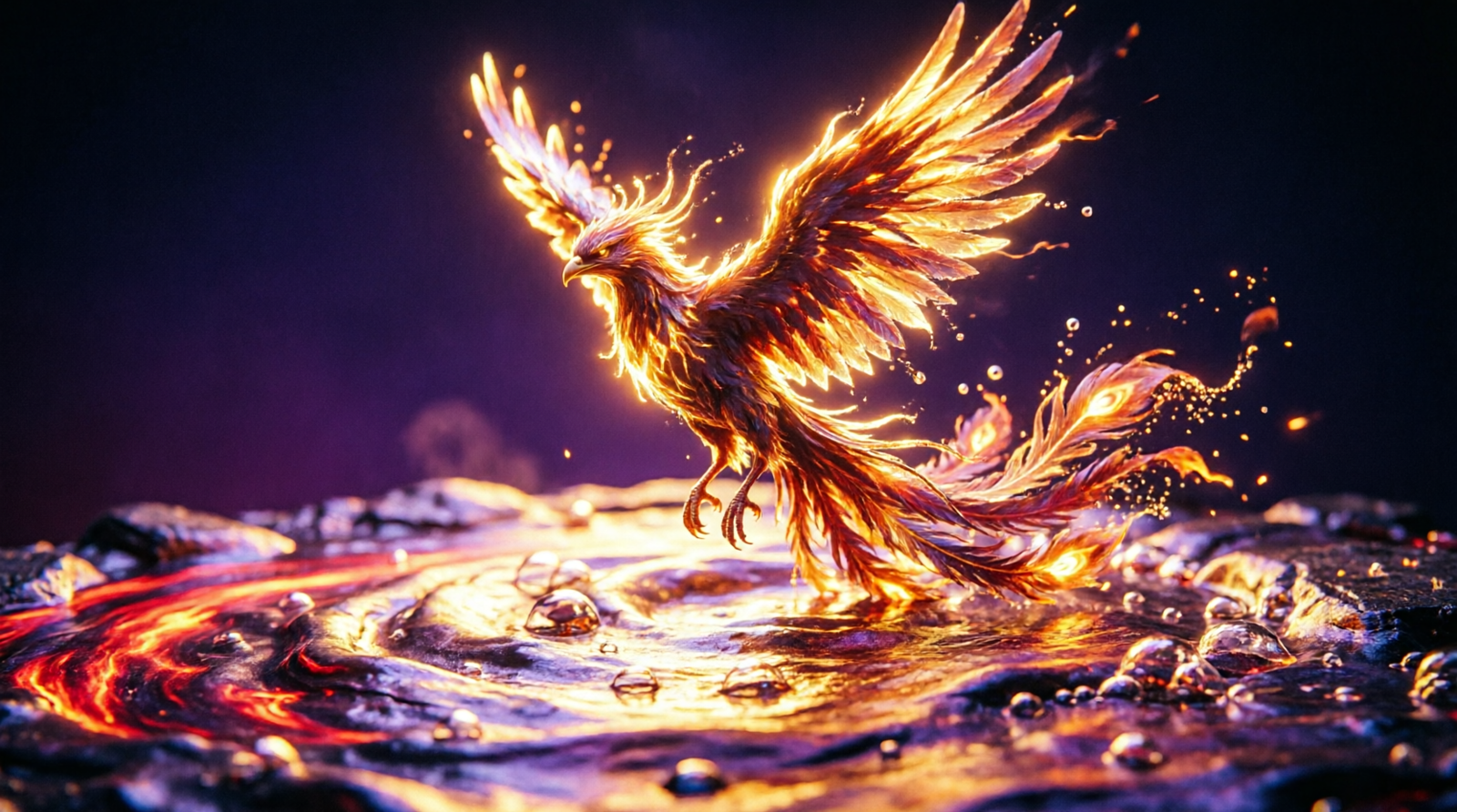
Metaphor for Lava 60+ Powerful Examples
Lava is one of nature’s most dramatic sights. It glows moves burns destroys and creates new land. That is why writers often look for a strong metaphor for lava when they want to describe heat danger anger power beauty or unstoppable movement.
A simple phrase like hot lava tells readers what lava is. A metaphor can do much more. Calling lava a river of fire helps readers picture its movement and glowing heat. Calling it the Earth’s burning blood can make a volcanic scene feel alive and powerful.
People search for lava metaphors for many reasons. A student may need one for a school assignment. A poet may want a stronger image. A fiction writer may be describing a volcano. Someone may also want to compare lava to anger passion destruction or another powerful emotion.
This updated-for-2026 guide gives you more than a short list. You will learn what a metaphor for lava means ersations writing tips, common mistakes practice questions FAQs ideas image suggestions and ready to use schema.
Definition & Meaning
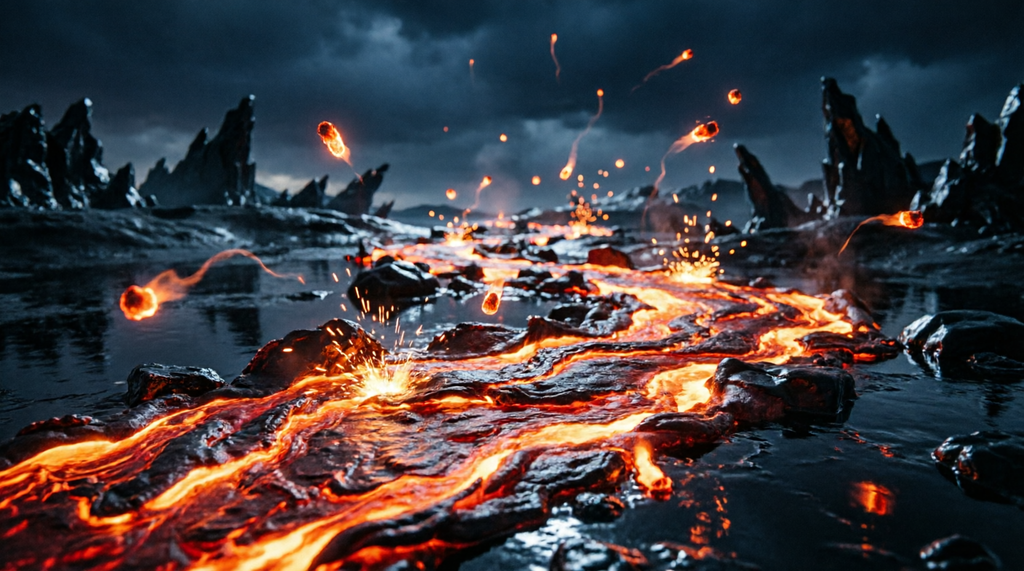
A metaphor for lava describes lava by saying that it is something else with similar qualities, such as fire blood gold or a river. The comparison is direct rather than using words such as like or as.” Metaphors make descriptions more visual, emotional, and memorable.
Lava is molten rock that reaches the Earth’s surface during volcanic activity. In creative language, however, lava can represent much more than melted rock.
It can suggest:
- Extreme heat
- Danger
- Destruction
- Anger
- Passion
- Power
- Movement
- Beauty
- Creation
- Change
For example:
The lava was a river of fire.
Lava is not literally a river made of fire. The metaphor helps the reader imagine glowing liquid moving across the ground.
Quick explanation
A simile says that one thing is like another:
The lava moved like a river of fire.
A metaphor makes a direct comparison:
The lava was a river of fire.
Both can create strong imagery. A metaphor usually sounds more direct and powerful.
Summary table
| Term | Simple meaning | Example |
|---|---|---|
| Lava | Molten rock on Earth’s surface | Lava flowed from the volcano. |
| Metaphor | A direct imaginative comparison | Lava was a river of fire. |
| Lava metaphor | A metaphor used to describe lava | The mountain bled liquid gold. |
| Simile | A comparison using “like” or “as” | Lava moved like glowing honey. |
| Imagery | Words that create a picture in the mind | A red river crawled through the valley. |
Quick takeaway: A good lava metaphor does more than describe temperature. It helps readers see, feel, and imagine the scene.
Why We Use Metaphors for Lava
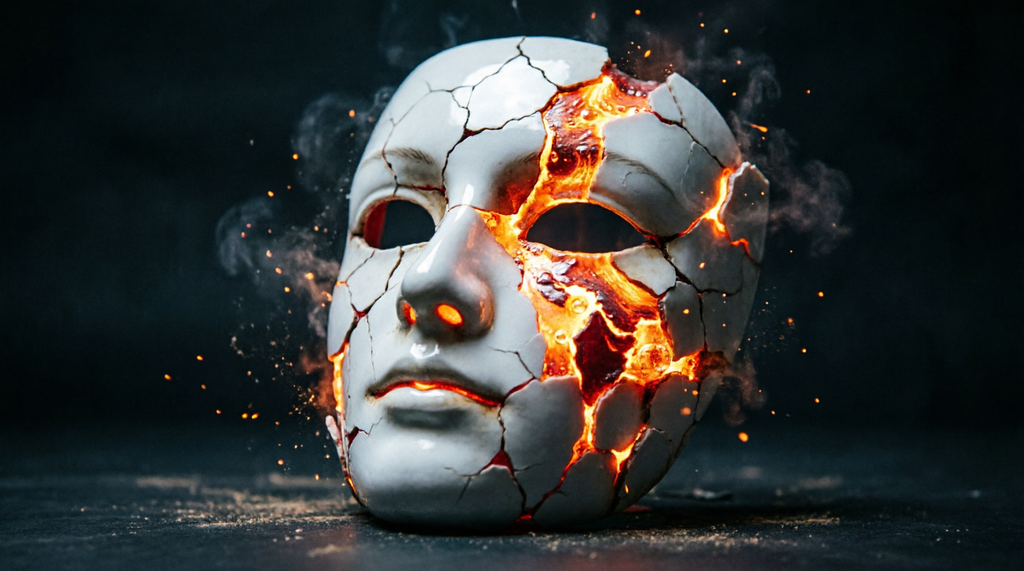
We use metaphors for lava because lava has powerful qualities that are hard to express with plain words alone. A strong metaphor can show its heat, slow movement, brightness, danger, or destructive force. Lava metaphors also help writers connect volcanic imagery with emotions such as anger, passion, fear, and change.
Practical purpose
Compare these sentences:
Plain:
The lava flowed down the mountain.
Metaphorical:
The mountain poured a river of fire into the valley.
The second sentence creates a stronger picture.
Everyday usage
People do not usually use lava metaphors in ordinary small talk about real volcanoes. However, lava imagery can appear when people describe:
- Extreme heat
- Strong emotions
- Anger
- Passion
- Dangerous situations
- Fast-changing events
Example:
His anger was lava waiting beneath the surface.
This suggests that his anger was hidden but could suddenly explode.
In writing
Lava metaphors work especially well in:
- Stories
- Novels
- Poems
- Fantasy writing
- Adventure scenes
- Science writing with creative descriptions
- Children’s stories
In speaking
You might say:
That argument turned into lava. Everything became too hot to handle.
This is informal and creative rather than a common fixed idiom.
At school
Students may use lava metaphors in:
- Descriptive paragraphs
- Volcano projects
- Poetry
- Creative writing
- Figurative language exercises
On social media
Lava imagery works well in captions:
Watching the Earth paint with fire. 🌋
Or:
Nature’s glowing river.
In professional communication
Lava metaphors should be used carefully at work. They may fit a presentation, speech, or creative marketing campaign, but they are usually not appropriate for formal reports.
For example:
Good for a presentation:
“The project gained momentum like lava flowing downhill.”
Less suitable for a formal financial report:
“Sales were a river of fire.”
60+ Metaphors for Lava With Meanings and Examples
River of Fire
Meaning: Lava is compared to a flowing river made of fire.
Real explanation: This is one of the clearest and strongest metaphors for lava. It highlights both heat and movement.
Sample sentence:
A river of fire flowed slowly across the black ground.
When to use it: Volcano stories, poems, school writing, and dramatic descriptions.
When NOT to use it: Very formal scientific writing.
Alternative expressions:
- Flowing fire
- Burning river
- Fiery stream
Difficulty level: Easy
Tone: Neutral
Earth’s Burning Blood
Meaning: Lava is compared to the blood of the Earth.
Real explanation: The metaphor makes the planet seem alive. Lava flows from inside the Earth like blood flows through a living body.
Sample sentence:
The volcano released the Earth’s burning blood.
When to use it: Poetry, fantasy, and emotional writing.
When NOT to use it: Basic scientific definitions.
Alternative expressions:
- Earth’s fiery blood
- The planet’s hot blood
- Burning lifeblood
Difficulty level: Medium
Tone: Formal/Creative
Liquid Fire
Meaning: Lava is described as fire that moves like a liquid.
Real explanation: Lava is molten rock, not actual liquid fire, but the phrase highlights its glowing heat.
Sample sentence:
Liquid fire spilled from the broken side of the volcano.
When to use it: Short, dramatic descriptions.
When NOT to use it: When scientific accuracy is the main goal.
Alternative expressions:
- Molten flame
- Flowing fire
- Fiery liquid
Difficulty level: Easy
Tone: Neutral
A Red Serpent
Meaning: Lava is compared to a snake.
Real explanation: A lava flow can twist and move across land in a long, winding shape.
Sample sentence:
A red serpent curled through the sleeping forest.
When to use it: Fantasy and descriptive fiction.
When NOT to use it: Simple factual writing.
Alternative expressions:
- Fiery snake
- Burning serpent
- Crimson serpent
Difficulty level: Medium
Tone: Creative
Molten Gold
Meaning: Lava is compared to melted gold.
Real explanation: This metaphor focuses on lava’s glowing yellow and orange appearance.
Sample sentence:
Molten gold poured down the side of the mountain.
When to use it: Beautiful or magical descriptions.
When NOT to use it: When you want to emphasize danger instead.
Alternative expressions:
- Liquid gold
- Golden fire
- Flowing treasure
Difficulty level: Easy
Tone: Neutral
The Dragon’s Breath
Meaning: Lava is compared to the hot breath of a dragon.
Real explanation: Both lava and a mythical dragon’s breath suggest extreme heat and destruction.
Sample sentence:
The volcano opened its mouth and released the dragon’s breath.
When to use it: Fantasy stories and children’s writing.
When NOT to use it: Serious scientific work.
Alternative expressions:
- Dragon fire
- Beast’s breath
- Fire from the dragon
Difficulty level: Easy
Tone: Informal/Creative
A Burning Ocean
Meaning: A large area of lava is compared to an ocean.
Real explanation: This image shows size, movement, and a wide glowing surface.
Sample sentence:
Below them stretched a burning ocean of molten rock.
When to use it: Epic scenes and adventure stories.
When NOT to use it: Small lava flows.
Alternative expressions:
- Sea of fire
- Fiery ocean
- Molten sea
Difficulty level: Medium
Tone: Creative
Fire in Motion
Meaning: Lava is described as moving fire.
Real explanation: The metaphor focuses on the active, flowing nature of lava.
Sample sentence:
The valley watched fire in motion creep closer.
When to use it: Simple descriptive writing.
When NOT to use it: When you need detailed scientific language.
Alternative expressions:
- Moving flame
- Traveling fire
- Flowing heat
Difficulty level: Easy
Tone: Neutral
The Earth’s Anger
Meaning: Lava represents the anger of the planet.
Real explanation: A volcanic eruption can seem violent and explosive, making anger a natural emotional comparison.
Sample sentence:
Lava rushed down the mountain as the Earth’s anger escaped.
When to use it: Emotional writing and personification.
When NOT to use it: Objective science writing.
Alternative expressions:
- The planet’s rage
- Earth’s fury
- Nature’s anger
Difficulty level: Easy
Tone: Creative
A Glowing Monster
Meaning: Lava is compared to a dangerous monster.
Real explanation: This emphasizes fear, destruction, and unstoppable movement.
Sample sentence:
The glowing monster swallowed everything in its path.
When to use it: Children’s stories and dramatic fiction.
When NOT to use it: Formal writing.
Alternative expressions:
- Fiery beast
- Burning creature
- Molten monster
Difficulty level: Easy
Tone: Informal
A Furnace Spilled Open
Meaning: Lava is compared to the contents of an open furnace.
Real explanation: The metaphor highlights intense heat and glowing material.
Sample sentence:
The mountain looked like a giant furnace spilled open.
When to use it: Descriptive fiction.
When NOT to use it: Very young readers who may not know what a furnace is.
Alternative expressions:
- Open furnace
- Broken firebox
- Giant oven of fire
Difficulty level: Medium
Tone: Creative
A River of Rage
Meaning: Lava is compared to flowing anger.
Real explanation: The metaphor combines movement with emotional violence.
Sample sentence:
A river of rage rolled toward the empty village.
When to use it: Emotional fiction and poetry.
When NOT to use it: Neutral descriptions.
Alternative expressions:
- Flowing fury
- Stream of anger
- River of fury
Difficulty level: Medium
Tone: Creative
The Mountain’s Tears of Fire
Meaning: Lava is compared to fiery tears.
Real explanation: The mountain becomes a living character that appears to cry.
Sample sentence:
The mountain wept tears of fire into the valley.
When to use it: Poetry and personification.
When NOT to use it: Scientific explanations.
Alternative expressions:
- Burning tears
- Fiery tears
- Tears of molten light
Difficulty level: Medium
Tone: Creative
A Slow-Moving Beast
Meaning: Lava is compared to a large animal.
Real explanation: Some lava flows move slowly but remain extremely dangerous.
Sample sentence:
The slow-moving beast crawled across the road.
When to use it: Suspenseful storytelling.
When NOT to use it: When speed is the main focus.
Alternative expressions:
- Crawling beast
- Molten creature
- Sleeping giant
Difficulty level: Easy
Tone: Neutral/Creative
The Sun on the Ground
Meaning: Lava is compared to the bright heat of the Sun.
Real explanation: It focuses on intense brightness and heat.
Sample sentence:
It looked as if the sun had fallen to the ground.
When to use it: Poetry and imaginative writing.
When NOT to use it: If readers may confuse lava with sunlight.
Alternative expressions:
- Fallen sun
- Grounded sunlight
- Earthbound sun
Difficulty level: Medium
Tone: Creative
A Scarlet River
Meaning: Lava is compared to a deep red river.
Real explanation: This metaphor focuses mainly on color and movement.
Sample sentence:
A scarlet river twisted between the dark rocks.
When to use it: Descriptive fiction.
When NOT to use it: When lava is not visibly red.
Alternative expressions:
- Crimson stream
- Red river
- Ruby flow
Difficulty level: Easy
Tone: Formal/Creative
Molten Honey
Meaning: Lava is compared to thick, flowing honey.
Real explanation: The image highlights slow movement and thickness rather than heat.
Sample sentence:
The lava moved down the slope like molten honey, thick and slow.
When to use it: Describing slow lava movement.
When NOT to use it: As a strict metaphor without context if the reader may focus only on sweetness.
Alternative expressions:
- Thick amber flow
- Slow golden liquid
- Heavy syrup of fire
Difficulty level: Easy
Tone: Neutral
A Fiery Flood
Meaning: Lava is compared to a destructive flood.
Real explanation: Both can spread across land and cover objects.
Sample sentence:
A fiery flood swallowed the field.
When to use it: Dramatic scenes.
When NOT to use it: When the lava flow is very small.
Alternative expressions:
- Burning flood
- Molten flood
- Flood of fire
Difficulty level: Easy
Tone: Neutral
The Earth’s Open Wound
Meaning: A lava-filled volcanic opening is compared to a wound.
Real explanation: The Earth appears injured and lava appears to flow from the opening.
Sample sentence:
The crater looked like the Earth’s open wound.
When to use it: Dark poetry and serious fiction.
When NOT to use it: Lighthearted children’s writing.
Alternative expressions:
- The planet’s wound
- A burning scar
- Earth’s scar
Difficulty level: Medium
Tone: Formal/Creative
A Moving Sunset
Meaning: Lava is compared to the colors of a sunset.
Real explanation: Orange, red, and yellow lava can create the same warm colors as the evening sky.
Sample sentence:
A moving sunset flowed across the dark valley.
When to use it: Beautiful and peaceful descriptions.
When NOT to use it: When danger is the main message.
Alternative expressions:
- Flowing sunset
- Liquid sunset
- Sunset on the ground
Difficulty level: Easy
Tone: Creative
The Volcano’s Voice
Meaning: Lava represents what the volcano is saying.
Real explanation: This personifies the volcano and makes the eruption seem like communication.
Sample sentence:
The lava was the volcano’s voice, speaking through fire.
When to use it: Poetry and symbolic writing.
When NOT to use it: Straight factual descriptions.
Alternative expressions:
- The mountain’s voice
- Earth’s message
- Fire’s voice
Difficulty level: Medium
Tone: Creative
A Trail of Destruction
Meaning: Lava is compared to a destructive path.
Real explanation: Lava can leave burned or buried land behind it.
Sample sentence:
The glowing flow left a trail of destruction behind.
When to use it: News-style creative descriptions.
When NOT to use it: When the lava caused little damage.
Alternative expressions:
- Path of ruin
- Road of destruction
- Burning trail
Difficulty level: Easy
Tone: Neutral
A Sleeping Dragon Awakening
Meaning: Lava represents hidden power coming to life.
Real explanation: A volcano may remain quiet for years before erupting.
Sample sentence:
The first lava flow was a sleeping dragon awakening.
When to use it: Fantasy and symbolic writing.
When NOT to use it: Scientific reports.
Alternative expressions:
- Waking giant
- Rising beast
- Awakening fire
Difficulty level: Medium
Tone: Creative
A Sea of Molten Light
Meaning: Lava is compared to a bright sea.
Real explanation: The metaphor focuses on beauty and brightness.
Sample sentence:
At night, the crater became a sea of molten light.
When to use it: Poetry and travel writing.
When NOT to use it: Very plain or technical writing.
Alternative expressions:
- Ocean of light
- Molten sea
- Glowing sea
Difficulty level: Medium
Tone: Formal/Creative
Nature’s Wild Paint
Meaning: Lava is compared to paint.
Real explanation: Lava spreads bright colors across dark rock and land.
Sample sentence:
The eruption covered the mountain with nature’s wild paint.
When to use it: Artistic descriptions.
When NOT to use it: When emphasizing destruction.
Alternative expressions:
- Earth’s paint
- Fire-colored brushstroke
- Nature’s bright ink
Difficulty level: Easy
Tone: Creative
A Burning Snake
Meaning: Lava is compared to a snake made of fire.
Real explanation: It highlights a narrow, twisting lava flow.
Sample sentence:
A burning snake slid between the rocks.
When to use it: Action and fantasy writing.
When NOT to use it: Large, wide lava fields.
Alternative expressions:
- Fiery serpent
- Molten snake
- Red serpent
Difficulty level: Easy
Tone: Informal/Creative
The Heart of the Earth
Meaning: Lava represents the hot inner power of the planet.
Real explanation: The metaphor connects lava with the Earth’s deep interior.
Sample sentence:
The eruption revealed the fiery heart of the Earth.
When to use it: Educational creative writing.
When NOT to use it: As a literal scientific claim.
Alternative expressions:
- Earth’s core of fire
- The planet’s heart
- Hidden inner fire
Difficulty level: Easy
Tone: Neutral/Creative
A Wall of Heat
Meaning: Lava is compared to a solid wall of extreme heat.
Real explanation: The phrase shows that getting close to lava can feel impossible.
Sample sentence:
A wall of heat rose from the glowing lava.
When to use it: Sensory descriptions.
When NOT to use it: If describing lava’s shape rather than its heat.
Alternative expressions:
- Barrier of heat
- Heat wall
- Burning barrier
Difficulty level: Easy
Tone: Neutral
Fire’s Slow March
Meaning: Lava is compared to an army marching forward.
Real explanation: The metaphor suggests steady and unstoppable movement.
Sample sentence:
Fire’s slow march continued toward the forest.
When to use it: Dramatic fiction.
When NOT to use it: Very casual writing.
Alternative expressions:
- March of fire
- Burning advance
- Slow invasion
Difficulty level: Medium
Tone: Formal/Creative
A Molten Army
Meaning: Lava is compared to an army invading land.
Real explanation: It emphasizes force, spread, and unstoppable power.
Sample sentence:
A molten army moved across the valley floor.
When to use it: Epic fiction.
When NOT to use it: Sensitive real-world disaster reporting where military imagery may feel excessive.
Alternative expressions:
- Army of fire
- Burning force
- Fiery invasion
Difficulty level: Medium
Tone: Creative
The Land’s Nightmare
Meaning: Lava is compared to a terrible dream.
Real explanation: This metaphor gives the landscape human feelings and emphasizes destruction.
Sample sentence:
The eruption became the land’s nightmare.
When to use it: Dark fiction.
When NOT to use it: Light educational writing.
Alternative expressions:
- Earth’s nightmare
- The valley’s fear
- A burning nightmare
Difficulty level: Medium
Tone: Creative
A Crimson Tongue
Meaning: Lava is compared to a tongue extending from the volcano.
Real explanation: A narrow lava flow can look like a long tongue reaching outward.
Sample sentence:
A crimson tongue stretched down the mountain.
When to use it: Personification.
When NOT to use it: If the shape is not narrow.
Alternative expressions:
- Fiery tongue
- Red tongue
- Molten tongue
Difficulty level: Medium
Tone: Creative
The Mountain’s Fire
Meaning: Lava is described as fire belonging to the mountain.
Real explanation: The expression is simple and easy to understand.
Sample sentence:
The mountain’s fire flowed toward the sea.
When to use it: Children’s writing and simple poetry.
When NOT to use it: Detailed scientific writing.
Alternative expressions:
- Volcano fire
- Earth’s fire
- Mountain flame
Difficulty level: Easy
Tone: Neutral
A River of Light
Meaning: Lava is compared to a bright flowing river.
Real explanation: This metaphor focuses more on beauty than destruction.
Sample sentence:
At night, a river of light crossed the black landscape.
When to use it: Peaceful descriptions and poetry.
When NOT to use it: When you want to stress danger.
Alternative expressions:
- Stream of light
- Flowing light
- Glowing river
Difficulty level: Easy
Tone: Neutral/Creative
A Burning Road
Meaning: Lava creates or follows a path like a road.
Real explanation: It suggests direction and movement across the land.
Sample sentence:
A burning road led from the volcano to the valley.
When to use it: Adventure writing.
When NOT to use it: When lava spreads randomly.
Alternative expressions:
- Road of fire
- Fiery path
- Molten highway
Difficulty level: Easy
Tone: Creative
The Earth’s Hidden Fire
Meaning: Lava represents heat hidden beneath the ground.
Real explanation: This metaphor works well when describing an eruption after a quiet period.
Sample sentence:
The Earth’s hidden fire finally reached the surface.
When to use it: Educational and creative writing.
When NOT to use it: When precision is required.
Alternative expressions:
- Buried fire
- Secret flame
- Inner fire
Difficulty level: Easy
Tone: Neutral
A Glowing Avalanche
Meaning: Lava is compared to a downhill avalanche.
Real explanation: This emphasizes movement down a mountain and destructive force.
Sample sentence:
A glowing avalanche poured down the volcano.
When to use it: Action scenes.
When NOT to use it: Slow, flat lava flows.
Alternative expressions:
- Fiery avalanche
- Molten landslide
- Burning cascade
Difficulty level: Medium
Tone: Creative
A Stream of Fury
Meaning: Lava is compared to flowing anger.
Real explanation: The phrase combines emotional power with physical movement.
Sample sentence:
A stream of fury escaped from the mountain.
When to use it: Symbolic writing.
When NOT to use it: Neutral science writing.
Alternative expressions:
- River of rage
- Flowing fury
- Current of anger
Difficulty level: Medium
Tone: Creative
A Furnace River
Meaning: Lava is compared to a river coming from a furnace.
Real explanation: It emphasizes intense heat and glowing material.
Sample sentence:
A furnace river crossed the empty field.
When to use it: Creative descriptions.
When NOT to use it: Everyday conversation.
Alternative expressions:
- River of heat
- Furnace flow
- Burning stream
Difficulty level: Medium
Tone: Creative
A Living Flame
Meaning: Lava is compared to a flame with life.
Real explanation: Lava can seem to move and grow like a living thing.
Sample sentence:
A living flame crawled over the rocks.
When to use it: Fantasy and poetry.
When NOT to use it: Formal technical writing.
Alternative expressions:
- Living fire
- Moving flame
- Breathing fire
Difficulty level: Easy
Tone: Creative
A Red Carpet of Fire
Meaning: Lava covers the ground like a carpet.
Real explanation: The metaphor focuses on a wide, spreading surface.
Sample sentence:
A red carpet of fire covered the valley floor.
When to use it: Descriptive writing.
When NOT to use it: Narrow lava channels.
Alternative expressions:
- Blanket of fire
- Carpet of lava
- Fiery covering
Difficulty level: Easy
Tone: Informal/Creative
A Blanket of Fire
Meaning: Lava is compared to a blanket covering the land.
Real explanation: This highlights how lava can spread over and bury surfaces.
Sample sentence:
A blanket of fire slowly covered the old road.
When to use it: Descriptions of wide lava flows.
When NOT to use it: Small isolated pools.
Alternative expressions:
- Fiery blanket
- Molten covering
- Burning layer
Difficulty level: Easy
Tone: Neutral
The Earth’s Fiery Veins
Meaning: Lava flows are compared to veins.
Real explanation: The metaphor makes lava seem like a substance moving through the planet’s body.
Sample sentence:
The Earth’s fiery veins opened beneath the volcano.
When to use it: Science-inspired creative writing.
When NOT to use it: Literal geological explanations.
Alternative expressions:
- Molten veins
- Burning veins
- The planet’s veins
Difficulty level: Medium
Tone: Formal/Creative
A Pool of the Sun
Meaning: Lava is compared to sunlight collected in a pool.
Real explanation: It focuses on bright yellow and orange colors.
Sample sentence:
The crater held a pool of the sun.
When to use it: Poetry and fantasy.
When NOT to use it: Serious danger descriptions.
Alternative expressions:
- Pool of light
- Liquid sunlight
- Fallen sunshine
Difficulty level: Medium
Tone: Creative
A Firestorm on the Ground
Meaning: Lava is compared to a violent storm made of fire.
Real explanation: This creates a powerful image of heat and destruction.
Sample sentence:
The eruption turned the valley into a firestorm on the ground.
When to use it: Action writing.
When NOT to use it: Calm or beautiful scenes.
Alternative expressions:
- Ground firestorm
- Storm of flame
- Burning storm
Difficulty level: Medium
Tone: Creative
The Volcano’s Golden Tears
Meaning: Lava is compared to golden tears.
Real explanation: The expression combines personification with beauty.
Sample sentence:
Golden tears rolled down the volcano’s dark face.
When to use it: Poetry.
When NOT to use it: Formal reports.
Alternative expressions:
- Molten tears
- Golden drops
- Fiery tears
Difficulty level: Medium
Tone: Creative
A River That Eats the Land
Meaning: Lava is compared to something that consumes what it touches.
Real explanation: Lava can burn, bury, and destroy objects in its path.
Sample sentence:
A river that ate the land moved toward the trees.
When to use it: Dark storytelling.
When NOT to use it: Very young children’s material.
Alternative expressions:
- Land-eating river
- Hungry fire
- Devouring flow
Difficulty level: Medium
Tone: Creative
A Hungry Giant
Meaning: Lava is compared to a giant that consumes everything.
Real explanation: The metaphor emphasizes size and destruction.
Sample sentence:
The hungry giant swallowed the road.
When to use it: Children’s stories and fantasy.
When NOT to use it: Scientific writing.
Alternative expressions:
- Devouring giant
- Molten giant
- Fiery giant
Difficulty level: Easy
Tone: Informal/Creative
Nature’s Liquid Furnace
Meaning: Lava is compared to molten material from a natural furnace.
Real explanation: It highlights intense natural heat.
Sample sentence:
Nature’s liquid furnace spilled over the crater wall.
When to use it: Educational creative writing.
When NOT to use it: Simple beginner-level work if the phrase feels too complex.
Alternative expressions:
- Natural furnace
- Earth’s furnace
- Molten firebox
Difficulty level: Medium
Tone: Formal/Creative
A Burning Waterfall
Meaning: Lava is compared to a waterfall made of fire.
Real explanation: This works especially well when lava pours over a cliff.
Sample sentence:
A burning waterfall fell into the sea.
When to use it: Describing lava entering a lower area.
When NOT to use it: Flat lava fields.
Alternative expressions:
- Fiery waterfall
- Molten cascade
- Fire cascade
Difficulty level: Easy
Tone: Creative
A Molten Waterfall
Meaning: Lava is compared to a waterfall because of its falling movement.
Real explanation: This metaphor focuses on shape and flow.
Sample sentence:
A molten waterfall poured over the crater’s edge.
When to use it: Travel and nature descriptions.
When NOT to use it: Lava moving across flat ground.
Alternative expressions:
- Liquid cascade
- Fiery cascade
- Flowing fall
Difficulty level: Easy
Tone: Neutral/Creative
A Burning Scar
Meaning: Lava is compared to a scar on the Earth.
Real explanation: The metaphor suggests that an eruption changes the land permanently.
Sample sentence:
The lava left a burning scar across the hillside.
When to use it: Serious, emotional descriptions.
When NOT to use it: Cheerful writing.
Alternative expressions:
- Fiery scar
- Molten mark
- Scar of fire
Difficulty level: Medium
Tone: Formal/Creative
The Red Breath of the Earth
Meaning: Lava is compared to the Earth breathing.
Real explanation: The planet becomes alive, and lava becomes part of its breath.
Sample sentence:
The volcano released the red breath of the Earth.
When to use it: Poetry and symbolic writing.
When NOT to use it: Technical writing.
Alternative expressions:
- Earth’s hot breath
- Fiery breath
- Planet’s breath
Difficulty level: Medium
Tone: Creative
A Flowing Inferno
Meaning: Lava is compared to a moving scene of extreme fire.
Real explanation: The metaphor strongly emphasizes danger and heat.
Sample sentence:
A flowing inferno crossed the valley.
When to use it: Intense action scenes.
When NOT to use it: Mild or peaceful descriptions.
Alternative expressions:
- Moving inferno
- River of flames
- Burning chaos
Difficulty level: Medium
Tone: Formal/Creative
A River of Destruction
Meaning: Lava is compared to a river that destroys land and objects.
Real explanation: The phrase focuses on lava’s harmful effects.
Sample sentence:
A river of destruction moved toward the village.
When to use it: Disaster-focused writing.
When NOT to use it: When the lava is mainly being described for beauty.
Alternative expressions:
- Destructive flow
- River of ruin
- Path of destruction
Difficulty level: Easy
Tone: Neutral
A Glowing Highway
Meaning: Lava forms a long path across the ground.
Real explanation: This modern metaphor focuses on shape and direction.
Sample sentence:
At night, the lava looked like a glowing highway.
When to use it: Modern creative writing.
When NOT to use it: Historical or highly poetic writing.
Alternative expressions:
- Road of light
- Fiery highway
- Glowing path
Difficulty level: Easy
Tone: Informal
A Red Ocean
Meaning: A large lava field is compared to an ocean.
Real explanation: The metaphor highlights size and color.
Sample sentence:
The crater held a red ocean of molten rock.
When to use it: Large-scale descriptions.
When NOT to use it: Small lava flows.
Alternative expressions:
- Crimson sea
- Molten ocean
- Fiery sea
Difficulty level: Easy
Tone: Neutral/Creative
A Fire-Colored River
Meaning: Lava is compared to a river because it flows and has fiery colors.
Real explanation: This is easy for beginners to understand.
Sample sentence:
A fire-colored river wound through the valley.
When to use it: School writing.
When NOT to use it: When you need a highly original metaphor.
Alternative expressions:
- Orange river
- Fiery stream
- Burning flow
Difficulty level: Easy
Tone: Neutral
A Giant Candle Melting
Meaning: Lava is compared to melted wax from a huge candle.
Real explanation: This can help describe dripping and flowing molten material.
Sample sentence:
The volcano looked like a giant candle melting into the night.
When to use it: Children’s writing and simple imagery.
When NOT to use it: Serious disaster writing.
Alternative expressions:
- Melting wax
- Giant wax flow
- Dripping fire
Difficulty level: Easy
Tone: Informal/Creative
The Earth’s Liquid Heart
Meaning: Lava represents the hot, living center of the planet.
Real explanation: The metaphor combines heat with the idea of life.
Sample sentence:
The eruption exposed the Earth’s liquid heart.
When to use it: Poetry and symbolic writing.
When NOT to use it: Literal science explanations.
Alternative expressions:
- Molten heart
- Fiery heart
- Heart of fire
Difficulty level: Medium
Tone: Creative
A Golden River of Doom
Meaning: Lava is compared to something beautiful but dangerous.
Real explanation: Gold suggests beauty, while “doom” adds fear.
Sample sentence:
A golden river of doom moved through the dark forest.
When to use it: Fantasy and dramatic fiction.
When NOT to use it: Children’s educational material.
Alternative expressions:
- Beautiful destruction
- Golden danger
- Fiery doom
Difficulty level: Medium
Tone: Creative
A Crawling Sun
Meaning: Lava is compared to the Sun moving across the ground.
Real explanation: It highlights brightness, heat, and slow movement.
Sample sentence:
A crawling sun moved silently across the black earth.
When to use it: Poetry.
When NOT to use it: Formal writing.
Alternative expressions:
- Moving sun
- Crawling light
- Fallen sun
Difficulty level: Medium
Tone: Creative
A Fire-Colored Snake
Meaning: Lava is compared to a winding snake with fiery colors.
Real explanation: This works well for narrow lava channels.
Sample sentence:
A fire-colored snake twisted around the rocks.
When to use it: Adventure stories.
When NOT to use it: Wide lava lakes.
Alternative expressions:
- Fiery serpent
- Red snake
- Burning serpent
Difficulty level: Easy
Tone: Creative
A Molten Nightmare
Meaning: Lava is compared to a frightening dream.
Real explanation: It emphasizes danger and fear.
Sample sentence:
The village watched the molten nightmare approach.
When to use it: Horror and disaster fiction.
When NOT to use it: Peaceful nature writing.
Alternative expressions:
- Burning nightmare
- Fiery terror
- Molten horror
Difficulty level: Easy
Tone: Creative
The Earth on Fire
Meaning: Lava makes the ground appear to be burning.
Real explanation: This simple metaphor is direct and easy to understand.
Sample sentence:
From above, the valley looked like the Earth was on fire.
When to use it: Simple descriptive writing.
When NOT to use it: When readers may think of an actual wildfire.
Alternative expressions:
- Burning Earth
- Land of fire
- Flaming ground
Difficulty level: Easy
Tone: Neutral
A Molten River of Change
Meaning: Lava represents destruction that also creates something new.
Real explanation: Lava can destroy old landscapes but later form new rock and land.
Sample sentence:
The eruption sent a molten river of change across the island.
When to use it: Symbolic writing.
When NOT to use it: Basic descriptions for young children.
Alternative expressions:
- River of transformation
- Flow of change
- Fire of renewal
Difficulty level: Medium
Tone: Formal/Creative
A Fiery Artist’s Brush
Meaning: Lava is compared to a brush painting the landscape.
Real explanation: Lava changes the shape and appearance of the land.
Sample sentence:
A fiery artist’s brush painted new lines across the mountain.
When to use it: Poetry and artistic writing.
When NOT to use it: Disaster reporting.
Alternative expressions:
- Nature’s brush
- Fire brush
- Molten paintbrush
Difficulty level: Medium
Tone: Creative
A Living River of Stone
Meaning: Lava is compared to a river that will eventually become rock.
Real explanation: This metaphor captures lava’s unusual nature: it flows now but later hardens into stone.
Sample sentence:
A living river of stone moved down the volcano.
When to use it: Educational creative writing.
When NOT to use it: If readers need a very simple phrase.
Alternative expressions:
- Moving stone
- Liquid rock river
- Flowing future stone
Difficulty level: Medium
Tone: Formal/Creative
Nature’s Slow Fire
Meaning: Lava is compared to a slow-burning natural force.
Real explanation: Some lava moves slowly but remains extremely powerful.
Sample sentence:
Nature’s slow fire crept across the field.
When to use it: Simple creative writing.
When NOT to use it: Fast explosions.
Alternative expressions:
- Slow flame
- Crawling fire
- Patient fire
Difficulty level: Easy
Tone: Neutral
| Metaphor | Main idea | Best for | Tone |
|---|---|---|---|
| River of fire | Heat and movement | General writing | Neutral |
| Earth’s burning blood | Life and inner power | Poetry | Creative |
| Liquid fire | Extreme heat | Drama | Neutral |
| Red serpent | Winding movement | Fantasy | Creative |
| Molten gold | Beauty and color | Poetry | Neutral |
| Dragon’s breath | Extreme heat | Fantasy | Informal |
| Burning ocean | Huge lava area | Epic writing | Creative |
| Fire in motion | Moving heat | Simple writing | Neutral |
| Earth’s anger | Rage | Personification | Creative |
| Glowing monster | Danger | Children’s fiction | Informal |
| Furnace spilled open | Heat | Fiction | Creative |
| River of rage | Anger and movement | Poetry | Creative |
| Tears of fire | Personification | Poetry | Creative |
| Slow-moving beast | Danger and movement | Fiction | Neutral |
| Sun on the ground | Brightness | Poetry | Creative |
| Scarlet river | Color and flow | Fiction | Creative |
| Molten honey | Thickness | Description | Neutral |
| Fiery flood | Spread and destruction | Drama | Neutral |
| Earth’s open wound | Damage | Dark writing | Creative |
| Moving sunset | Beauty | Poetry | Creative |
| Volcano’s voice | Personification | Symbolic writing | Creative |
| Trail of destruction | Damage | Disaster writing | Neutral |
| Sleeping dragon awakening | Hidden power | Fantasy | Creative |
| Sea of molten light | Beauty and scale | Poetry | Creative |
| Nature’s wild paint | Color and art | Artistic writing | Creative |
| Burning snake | Narrow movement | Adventure | Creative |
| Heart of the Earth | Inner power | Educational writing | Neutral |
| Wall of heat | Intense temperature | Sensory writing | Neutral |
| Fire’s slow march | Unstoppable movement | Drama | Creative |
| Molten army | Force | Epic fiction | Creative |
| Land’s nightmare | Fear | Dark fiction | Creative |
| Crimson tongue | Shape | Personification | Creative |
| Mountain’s fire | Simple imagery | Children | Neutral |
| River of light | Beauty | Poetry | Creative |
| Burning road | Direction | Adventure | Creative |
| Earth’s hidden fire | Hidden power | General writing | Neutral |
| Glowing avalanche | Downhill force | Action | Creative |
| Stream of fury | Emotional power | Poetry | Creative |
| Furnace river | Heat | Fiction | Creative |
| Living flame | Movement | Fantasy | Creative |
| Red carpet of fire | Wide coverage | Description | Creative |
| Blanket of fire | Covering | General writing | Neutral |
| Earth’s fiery veins | Planet as a body | Poetry | Creative |
| Pool of the sun | Brightness | Fantasy | Creative |
| Firestorm on the ground | Violence | Action | Creative |
| Golden tears | Beauty and sadness | Poetry | Creative |
| River that eats the land | Destruction | Dark fiction | Creative |
| Hungry giant | Consumption | Children’s fiction | Informal |
| Liquid furnace | Extreme heat | Creative education | Formal |
| Burning waterfall | Falling lava | Nature writing | Creative |
| Molten waterfall | Flow | Description | Neutral |
| Burning scar | Permanent change | Serious writing | Creative |
| Red breath of Earth | Personification | Poetry | Creative |
| Flowing inferno | Extreme danger | Action | Creative |
| River of destruction | Damage | Disaster writing | Neutral |
| Glowing highway | Long bright path | Modern writing | Informal |
| Red ocean | Large scale | Description | Creative |
| Fire-colored river | Color and movement | School writing | Neutral |
| Giant candle melting | Dripping movement | Children | Informal |
| Earth’s liquid heart | Inner heat | Poetry | Creative |
| Golden river of doom | Beauty and danger | Fantasy | Creative |
| Crawling sun | Slow brightness | Poetry | Creative |
| Molten nightmare | Fear | Horror | Creative |
| Earth on fire | Extreme heat | Simple writing | Neutral |
| River of change | Transformation | Symbolic writing | Formal |
| Fiery artist’s brush | Landscape change | Poetry | Creative |
| Living river of stone | Lava becoming rock | Educational writing | Creative |
| Nature’s slow fire | Slow power | General writing | Neutral |
Real-Life Conversations
Metaphors for lava can make conversations and creative discussions more colorful, but they usually sound most natural when people are talking about writing, art, emotions, or a dramatic event.
Friends talking about a volcano video
Maya: Did you see that volcano video last night?
Emma: Yes! The lava looked like a river of fire.
Maya: I know. And the way it moved was almost beautiful.
Emma: Beautiful from a safe distance, maybe.
Maya: Exactly. I would not want to stand anywhere near that glowing river.
Student and teacher
Teacher: Your volcano description is good, but you repeat “hot” too many times.
Student: What should I say instead?
Teacher: Try a metaphor.
Student: Like, “The lava was liquid fire”?
Teacher: Yes. Or “a river of molten light” if you want a softer, more beautiful image.
Student: I like that better for my poem.
Family conversation
Dad: Why is your science project taking so long?
Noah: I’m making a volcano.
Dad: How’s it going?
Noah: The lava part is hard. I want it to look like the Earth’s burning blood.
Dad: That’s a pretty dramatic science project.
Noah: My teacher said creative descriptions are welcome.
Office conversation about a presentation
Lena: The presentation slide looks good, but that sentence is a little plain.
Marcus: Which one?
Lena: “The lava moved down the hill.”
Marcus: What about “A glowing river crossed the hillside”?
Lena: Better. It sounds vivid without being too dramatic.
Social media conversation
Post: “The volcano turned the night into a sea of molten light. 🌋”
Comment: That sounds beautiful and terrifying at the same time.
Reply: Exactly. Lava is perfect for metaphors because it can represent both beauty and danger.
Everyday Usage
Metaphors for lava are most useful when you want your words to create a strong picture. In everyday English, river of fire and liquid fire are easy for most readers to understand. More unusual expressions, such as the Earth’s liquid heart, work better in creative writing.
Conversation
You could say:
The lava looked like a glowing highway at night.
Writing
A story might say:
The mountain opened, and a red serpent crawled into the valley.
Books
Novelists may use lava to build tension:
The molten nightmare came closer with every passing minute.
Movies
A movie narrator might say:
A river of destruction now moves toward the coast.
Poetry
Poets often focus on beauty:
Golden tears fell from the mountain’s dark face.
Emails
Creative lava metaphors are unusual in normal business emails. If you use one, make sure it fits the audience.
Better:
The project is gaining steady momentum.
Less suitable:
The project is a molten army rolling through the department.
Text messages
Casual example:
That lava looks like a glowing river!
Caption ideas:
- The Earth paints with fire. 🌋
- A river of light in the dark.
- Nature’s wild paint never stays inside the lines.
A longer post could say:
Watching lava move is strange. It looks like a beautiful river of light, but it has the power to change everything around it.
X
Short example:
The volcano is painting the night with rivers of fire. 🌋
Use lava imagery carefully. It may work in a creative post about change:
Real change can feel slow at first, then reshape everything around it—much like a powerful natural force.
Avoid dramatic metaphors when writing formal business updates.
School assignments
For a Grade 3–5 assignment, simple metaphors work best:
- The lava was a river of fire.
- The volcano cried tears of fire.
- The lava was a glowing snake.
Quick tip: Choose one strong metaphor instead of putting five metaphors into one sentence.
Writing Tips
The best metaphor for lava depends on what you want readers to notice. Choose metaphors about rivers for movement, fire for heat, animals for danger, and gold or sunlight for beauty. Matching the metaphor to your purpose makes the description clearer and more powerful.
Best situations
Use lava metaphors when writing:
- Volcano stories
- Poems
- Fiction
- Descriptive essays
- Travel content
- Children’s stories
- Fantasy scenes
Formal vs. informal
Formal:
A volcanic eruption released molten rock onto the surrounding landscape.
Creative:
The mountain spilled a river of fire across the land.
Speaking vs. writing
In speech, keep metaphors simple.
Natural:
“It looked like liquid fire.”
In creative writing, you can be more imaginative:
The sleeping mountain opened its fiery veins.
British vs. American usage
Most lava metaphors work the same way in American and British English. They are creative expressions rather than fixed regional idioms.
Children vs. adults
Children usually understand:
- River of fire
- Burning snake
- Dragon’s breath
- Giant candle melting
Adults and advanced writers may enjoy:
- Earth’s liquid heart
- River of transformation
- Earth’s fiery veins
- Fiery artist’s brush
Professional communication
Avoid overly dramatic metaphors in reports, legal documents, safety instructions, or scientific papers.
A metaphor can make a presentation memorable, but clarity should come first.
Creative writing
Pro tip: Think about the lava’s exact behavior before choosing your metaphor.
If it is:
- Slow: use honey, a crawling beast, or slow fire.
- Winding: use a snake or serpent.
- Bright: use sunlight, gold, or light.
- Destructive: use a monster, flood, or hungry giant.
- Beautiful: use paint, tears, gold, or a sunset.
Did You Know?
Lava imagery is especially powerful because it combines opposite ideas. Lava can destroy forests and buildings, but cooled lava can also form new land. That is why lava works well as a symbol of destruction, creation, change, and renewal.
Common Mistakes
| Mistake | Reason | Correct version | Practical explanation |
|---|---|---|---|
| Calling every comparison a metaphor | Some comparisons are similes | “Lava was fire” is a metaphor | “Lava moved like fire” uses a simile |
| Using too many metaphors | The writing becomes confusing | Choose one main image | One strong picture is easier to remember |
| Using a metaphor that does not match | The comparison feels strange | Use honey for slow movement | Match the metaphor to lava’s quality |
| Treating metaphor as scientific fact | Figurative language is not literal | “Lava looked like liquid fire” | Lava is molten rock |
| Mixing images carelessly | Readers may lose the picture | Keep one main image | Avoid combining unrelated images |
| Using dramatic imagery in a formal report | Tone becomes unprofessional | Use scientific language | Save strong metaphors for creative sections |
| Repeating “river of fire” | Repetition weakens originality | Use varied metaphors | Switch between fire, light, gold, animals, and motion |
| Making metaphors too difficult | Beginners may not understand | Use clear imagery | Simple metaphors can be powerful |
Multiple Choice Questions
1. What is a metaphor?
A. A direct imaginative comparison
B. A scientific measurement
C. A spelling rule
D. A type of volcano
Answer: A
2. Which sentence contains a metaphor for lava?
A. Lava is hot.
B. Lava was a river of fire.
C. Lava is made of rock.
D. Lava came from the volcano.
Answer: B
3. Which expression best emphasizes lava’s slow movement?
A. Molten honey
B. Dragon’s breath
C. Wall of heat
D. Volcano’s voice
Answer: A
4. Which metaphor is best for a narrow, winding lava flow?
A. Red ocean
B. Burning snake
C. Blanket of fire
D. Pool of the sun
Answer: B
5. Which metaphor focuses most on beauty and color?
A. Molten gold
B. Hungry giant
C. River of destruction
D. Molten nightmare
Answer: A
6. What does “the Earth’s burning blood” suggest?
A. The Earth is literally an animal
B. Lava comes from inside the planet
C. Lava is cold
D. Volcanoes are made of blood
Answer: B
7. Which sentence is a simile instead of a metaphor?
A. Lava was a river of fire.
B. The lava was liquid gold.
C. Lava moved like a burning river.
D. The mountain cried tears of fire.
Answer: C
8. Which situation is least suitable for a dramatic lava metaphor?
A. A poem
B. A fantasy story
C. A formal scientific report
D. A descriptive essay
Answer: C
9. Which metaphor suggests lava can destroy everything in its path?
A. Moving sunset
B. Hungry giant
C. Pool of the sun
D. River of light
Answer: B
10. What should you do before choosing a lava metaphor?
A. Use the longest phrase possible
B. Choose five metaphors at once
C. Decide which quality you want to describe
D. Avoid describing lava
Answer: C
FAQs:
What is the best metaphor for lava?
River of fire is one of the best and easiest metaphors for lava. It clearly shows both movement and extreme heat. It works well in school assignments, stories, poems, and descriptive writing. If you want a more original image, try the Earth’s burning blood, molten gold, or a living river of stone.
What is a simple metaphor for lava?
A simple metaphor is “Lava was liquid fire.” Another easy option is “The lava was a river of fire.” These expressions are easy for young students and beginners to understand because lava looks bright, hot, and flowing.
Is “lava is like fire” a metaphor?
No. “Lava is like fire” is a simile because it uses the word like. A metaphor makes the comparison directly. For example, “Lava was liquid fire” is a metaphor because it directly describes lava as something else.
What can lava symbolize?
Lava can symbolize anger, passion, danger, destruction, power, change, and renewal. Its meaning depends on the context. In a poem, lava might represent hidden emotions. In a story, it might represent danger. Because lava later cools into rock, it can also symbolize change and new beginnings.
What is a good metaphor for lava in a poem?
For poetry, try the Earth’s burning blood, golden tears of the volcano, a moving sunset, or the Earth’s liquid heart. These expressions focus on emotion and imagery. Choose one that matches the mood of your poem rather than using several unrelated metaphors together.
What metaphor describes slow lava?
Molten honey, a slow-moving beast, and nature’s slow fire are useful choices. These metaphors emphasize thick, steady movement. They are especially helpful when you want readers to imagine lava slowly traveling across a landscape instead of exploding quickly.
Can I use lava metaphors in a school assignment?
Yes. Lava metaphors can improve descriptive paragraphs, stories, and poetry assignments. Keep the language appropriate for the assignment. A sentence such as “A river of fire moved down the mountain” is clear and creative. If you are writing a science report, use accurate scientific terms as well.
What is a metaphor for volcanic lava?
You can describe volcanic lava as liquid fire, the Earth’s burning blood, a red serpent, molten gold, a fiery flood, or a living river of stone. The best choice depends on whether you want to show heat, color, movement, danger, beauty, or destruction.
Are lava metaphors appropriate for formal writing?
Usually, no. Formal scientific and professional writing should prioritize accuracy and clarity. Lava metaphors can work in an introduction, speech, or creative presentation, but they should not replace important factual information.
Final Thoughts:
A strong metaphor for lava can turn a basic sentence into a vivid image. Lava can become a river of fire the Earth’s burning blood molten gold a red serpent or a living river of stone.
The best choice depends on what you want your reader to feel. Think about movement color heat danger beauty or change. Then choose a metaphor that matches that exact idea.
Start with simple expressions if you are a beginner. As you become more comfortable with figurative language, experiment with more original images. The goal is not to sound complicated. The goal is to help your reader see the scene in their mind.
Discover more post:
| https://literaryguidz.com/metaphor-for-talent/ |
| https://literaryguidz.com/metaphor-for-classroom/ |
| https://literaryguidz.com/metaphor-for-transport/ |

Related Post
Metaphors for Many Creative Ways to Describe a Large Number
When you need a metaphor for many, you are usually trying to show that there…